
Understanding Critical Halal-Compliance Points in Fashion and Textiles
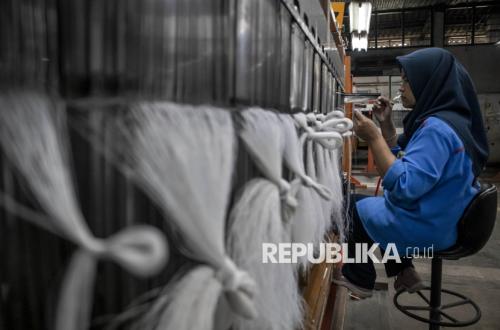
Textile manufacturing involves processes that may risk coming into contact with non-halal materials. The use of various processing chemicals and invisible additives is a critical area requiring particular attention in the halal certification of consumer goods.
Zya Labiba, head of the Centre for Standardisation and Industrial Services for Handicrafts and Batik (BBSPJIKB), said halal certification for fashion and textile products was also linked to efforts to strengthen the creative industries and empower micro, small and medium-sized enterprises (MSMEs). “As the industry develops, strengthening halal compliance can be an instrument for increasing consumer confidence, improving business governance and opening up wider market access, both nationally and internationally,” Zya said in a written statement quoted on Thursday (22 October 2026).
The halal status of fashion and textile products must be traced throughout the value chain, from the sourcing of raw materials to final packaging. Zya said raw materials, additives and production facilities that come into direct contact with products must be verified as meeting halal requirements.
She identified five critical points for businesses to consider. The first is the use of animal-derived materials such as leather, fur and bone. The second is the use of processing chemicals, including sizing starch, desizing enzymes, scouring surfactants, softeners and batik wax, which may contain animal fats.
“The third is the shared use of machinery or brushes. The fourth is production by third parties or contract manufacturers. The fifth is the risk of cross-contamination during storage and transport,” Zya said.
Source: jawawa.id (https://jawawa.id/newsitem/understanding-critical-halal-compliance-points-in-fashion-and-textiles-1792637463)
Originally published by Republika (https://halalhub.republika.co.id/berita/tnadxc425/kenali-titik-kritis-kehalalan-produk-fashion-dan-wastra), translated from Indonesian