
Understanding Cloud Seeding: The Technology Used to Trigger Rain from Clouds
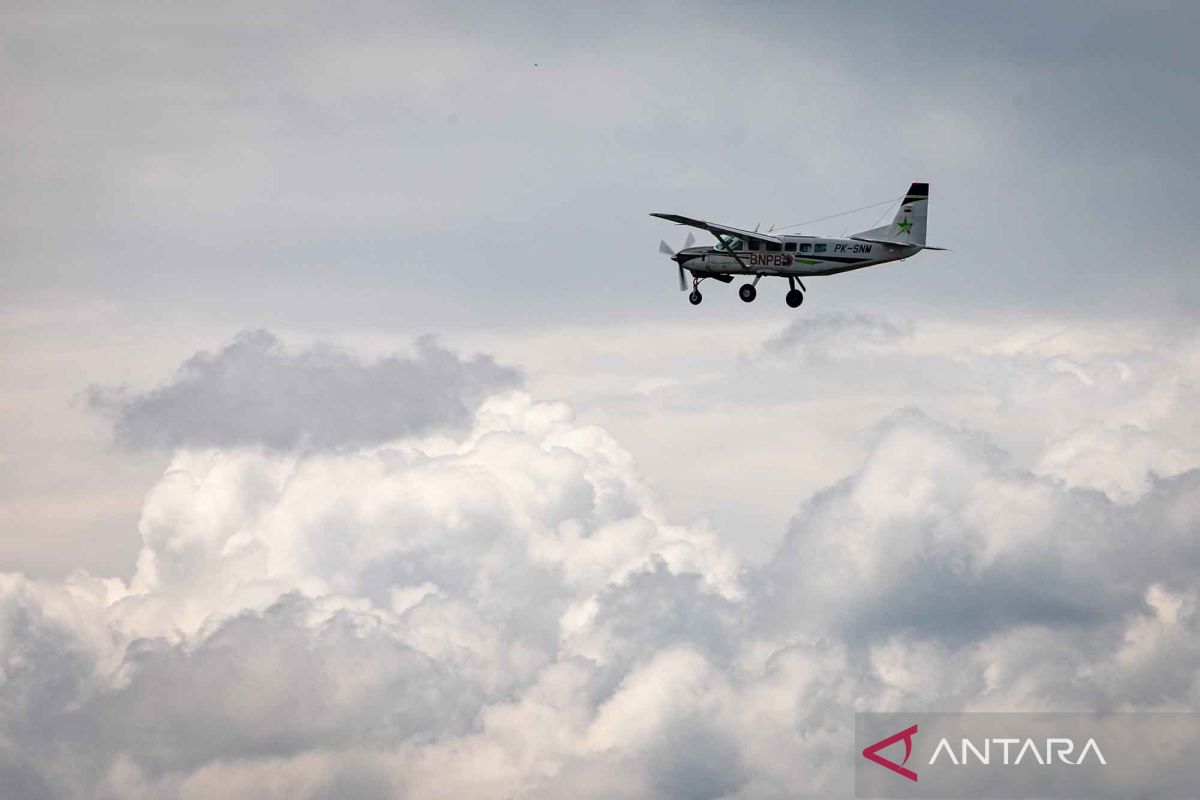
The eruption of Mount Anak Krakatau in the Sunda Strait has caused volcanic ash to spread across several regions, including Banten, DKI Jakarta, West Java, and Lampung. This condition not only disrupts community activities but also impacts aviation, as volcanic ash can endanger aircraft operations.
To help reduce the impact of this ash dispersal, the National Disaster Management Agency (BNPB) conducted Weather Modification Operations (OMC) on Sunday (6/9). One of the techniques used is stimulating clouds to produce rain. If there is insufficient growth of rain clouds, the BNPB, together with the BMKG (Meteorology, Climatology, and Geophysical Agency), is also preparing a water mist method to help break down ash particles in the affected areas.
These efforts have brought the term ‘cloud seeding’ back into the spotlight. This technology is often referred to as ‘artificial rain’, although humans cannot simply create rain from a clear sky.
So, what is cloud seeding and how can this technology help trigger rainfall?
What is cloud seeding?
Cloud seeding is a cloud seeding technique aimed at influencing the process of rain formation within clouds. Simply put, this technology works by introducing specific materials—consisting of sodium chloride (NaCl)/fine salt, urea, silver iodide, and even solid carbon dioxide—into clouds that already possess the potential to produce rain. These materials assist in the formation or growth of water droplets or ice crystals, allowing them to increase in size and eventually fall to the surface as rain.
Therefore, cloud seeding does not mean creating clouds from an empty sky. The presence of suitable clouds remains the primary requirement. Without clouds containing sufficient water and supporting atmospheric conditions, seeding will not automatically result in rain.
How does cloud seeding work?
The process begins with monitoring atmospheric conditions. Meteorological teams search for clouds with characteristics suitable for seeding. Once potential clouds are identified, aircraft can be used to transport and disperse the seeding materials into the designated cloud areas.
These materials then assist physical processes within the clouds. In certain clouds, seeding particles can serve as nuclei for water vapour to condense or assist in the formation of ice crystals. As this process continues, water droplets or ice crystals grow larger. Once their weight is sufficient to overcome the forces holding them within the cloud, these particles fall to the surface as precipitation or rain.
Thus, the aircraft is not a ‘rain-making machine’. The aircraft merely serves as a means to deliver seeding materials to clouds that meet specific conditions.
What materials are used?
The materials used in cloud seeding can vary depending on the type of cloud and the method applied. One commonly known material is hygroscopic particles, such as salt, which can assist the growth of water droplets in warm clouds. In cloud systems involving freezing processes, specific materials can also be used to assist in the formation of ice crystals. The selection of materials, quantity, timing, and seeding location is not done randomly; everything is adjusted based on the analysis of atmospheric conditions and the objectives of the operation.
Why can’t all clouds be turned into rain?
This is a common misunder
standing regarding the term ‘artificial rain’. Not all clouds can be seeded. The OMC team must find clouds with supporting conditions and then determine when and where the seeding should take place. The presence of clouds alone is insufficient; temperature, humidity, wind, water content, cloud development, and atmospheric dynamics must also be taken into account. Consequently, OMC relies heavily on weather data and real-time atmospheric monitoring. The BNPB has previously explained that OMC cannot be performed when the growth of rain clouds is insufficient. In other words, if natural conditions are unfavourable, seeding cannot be forced.
How is cloud seeding used for the Anak Krakatau ash?
In handling the eruption of Mount Anak Krakatau, the BNPB uses OMC as an effort to help wash away volcanic ash remaining in the atmosphere. If suitable clouds are present, the team can perform seeding to stimulate rainfall. The falling rain is expected to help carry ash particles from the atmosphere to the surface, thereby reducing their concentration in the air.
The Head of BNPB, Suharyanto, explained that OMC is conducted by considering weather conditions and flight safety. This is crucial because the dispersal of volcanic ash from Anak Krakatau had previously disrupted several airports. However, if rain clouds do not grow sufficiently, the BNPB has prepared an alternative approach using water mist. This technique aims to help break down dangerous ash particles in affected areas, including DKI Jakarta, Banten, and Lampung.
In Indonesia, weather modification has been used for various disaster mitigation needs. In addition to managing volcanic ash dispersal, OMC can also be used to combat forest and land fires. The rain generated or enhanced in target areas can help moisten the land and reduce the dry conditions that support the spread of fire. The BNPB also uses OMC to moisten peatlands as part of prevention efforts to ensure these areas do not easily catch fire again. Under certain conditions, weather modification can also be used to mitigate the risk of extreme rainfall by utilising existing clouds before the cloud system develops further or reaches the target mitigation area.