
Understanding Carcharodontosaurus: The Giant Shark-Toothed Predator Before the T-Rex Era
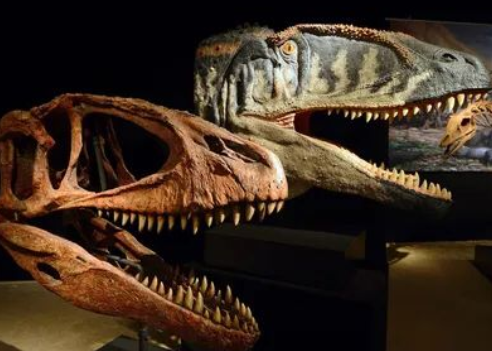
Many consider Tyrannosaurus rex the ultimate predator of all time, but Earth’s history records another formidable ruler long before the T-Rex era: Carcharodontosaurus, a giant theropod family that dominated terrestrial ecosystems during the Cretaceous period. With unique anatomical adaptations and massive size, they exemplify the evolutionary prowess of creating efficient hunting machines.
The name Carcharodontosaurus comes from Greek, meaning ‘shark-toothed lizard’, due to their thin, sharp, serrated teeth resembling modern shark teeth. Unlike T. rex’s robust bones-crushing teeth, Carcharodontosaurus teeth were designed for slicing flesh and causing severe bleeding in prey.
Descending from allosauroid lineage that evolved during the Jurassic period, this group underwent significant size increases. They were widespread across Africa, South America, North America, Europe, and Asia between 127 and 90 million years ago.
The group included some of the largest land predators ever to walk the Earth. Key adaptations included a massive skull and powerful neck muscles, as per paleontological data.
Carcharodontosaurus dominance ended in the late Turonian stage (around 90 million years ago). Their extinction is still under study, but climate change and shifts in prey availability are suspected main factors. After their disappearance, the northern hemisphere’s apex predator niche was gradually filled by more adaptable tyrannosaurids.
To this day, new fossil discoveries continue to provide insights into the diversity of this group. Carcharodontosaurus remains one of nature’s most astonishing examples of highly efficient land predators before being replaced by new rulers in prehistoric times. The study analysed 82 theropod species, a group of two-legged dinosaurs predominantly carnivorous.