
Understanding Carbon Trading: Mechanisms, Types, and Its Role in Curbing Climate Change
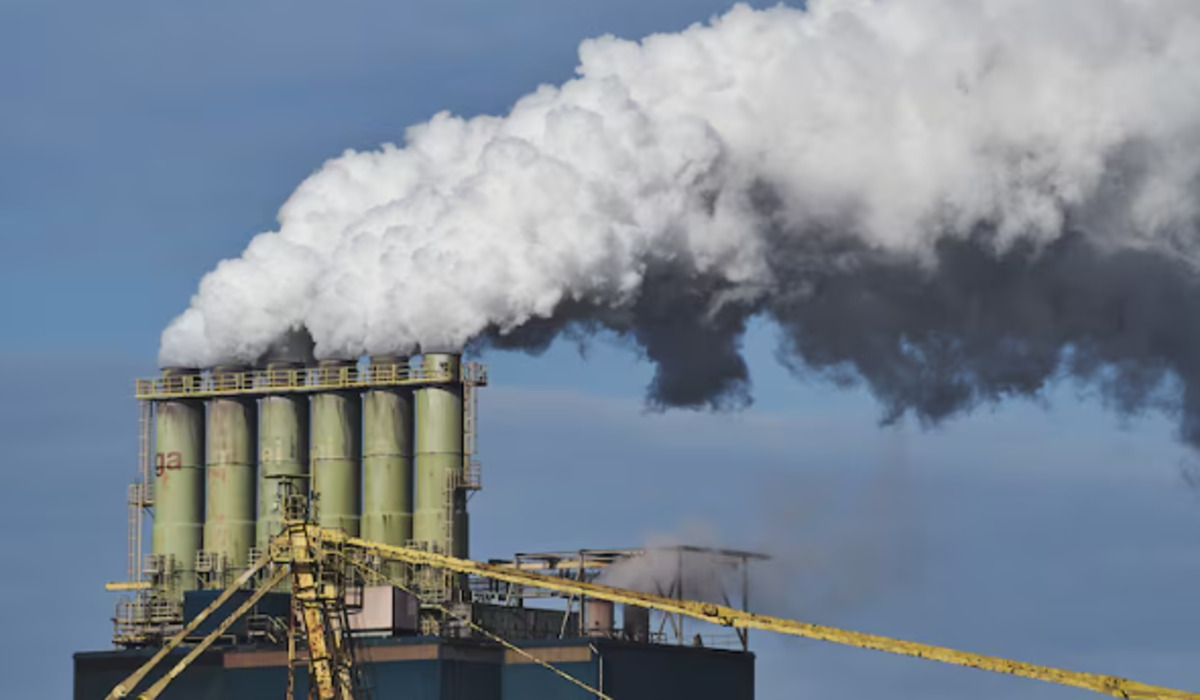
Climate change has become an existential challenge for humanity this century. One of the most widely discussed and globally implemented economic instruments to address this issue is carbon trading. In simple terms, carbon trading is a market-based mechanism designed to provide economic incentives for companies or countries to reduce greenhouse gas (GHG) emissions.
This concept is rooted in the principle that pollution has a cost, and those who produce emissions must be responsible for the resulting environmental impact. By putting a price on carbon, a shift in investment towards cleaner and more sustainable technologies is expected.
In practice, carbon trading generally operates through two main complementary mechanisms:
Cap-and-Trade System: The government or relevant authority sets a limit (cap) on the total amount of emissions allowed within a region or industrial sector. This limit is then divided into emission permits or quotas allocated to companies. If a company manages to reduce its emissions below its quota, it can sell the surplus quota to another company that exceeds its limit. This creates a market where carbon efficiency holds economic value.
Carbon Offset (Carbon Credit): This mechanism allows entities to compensate for the emissions they produce by funding projects that reduce or absorb carbon elsewhere. Popular examples include forest restoration projects (reforestation), renewable energy development, or carbon capture technology. One carbon credit is typically equivalent to the reduction of one tonne of carbon dioxide (CO2).
Carbon trading is not merely a financial transaction, but a strategic tool with the following crucial roles:
Internalising the cost of carbon emissions into business decisions.
Driving innovation and investment in low-carbon technology.
Providing flexibility for industries to meet emission targets at the lowest cost.
Mobilising finance for conservation and renewable energy projects in developing countries.
The success of carbon trading depends heavily on the transparency of emissions data, stringent regulations, and the integrity of carbon credits to prevent double counting.
Although promising, carbon trading is not without challenges. Some critics argue that this mechanism could become a loophole for large corporations to continue polluting as long as they can afford to buy credits (greenwashing). Furthermore, fluctuations in global carbon prices often make investment certainty in the green sector dynamic.
Carbon trading is a bridge between economic interests and environmental preservation. With the right mechanism, this instrument can change the way the world views pollution: no longer as a cost-free residue, but as a financial liability that must be reduced for the sake of a better future for the earth.