
Understanding Blue Carbon: Why Marine Ecosystems are More Effective at Carbon Sequestration Than Terrestrial Forests
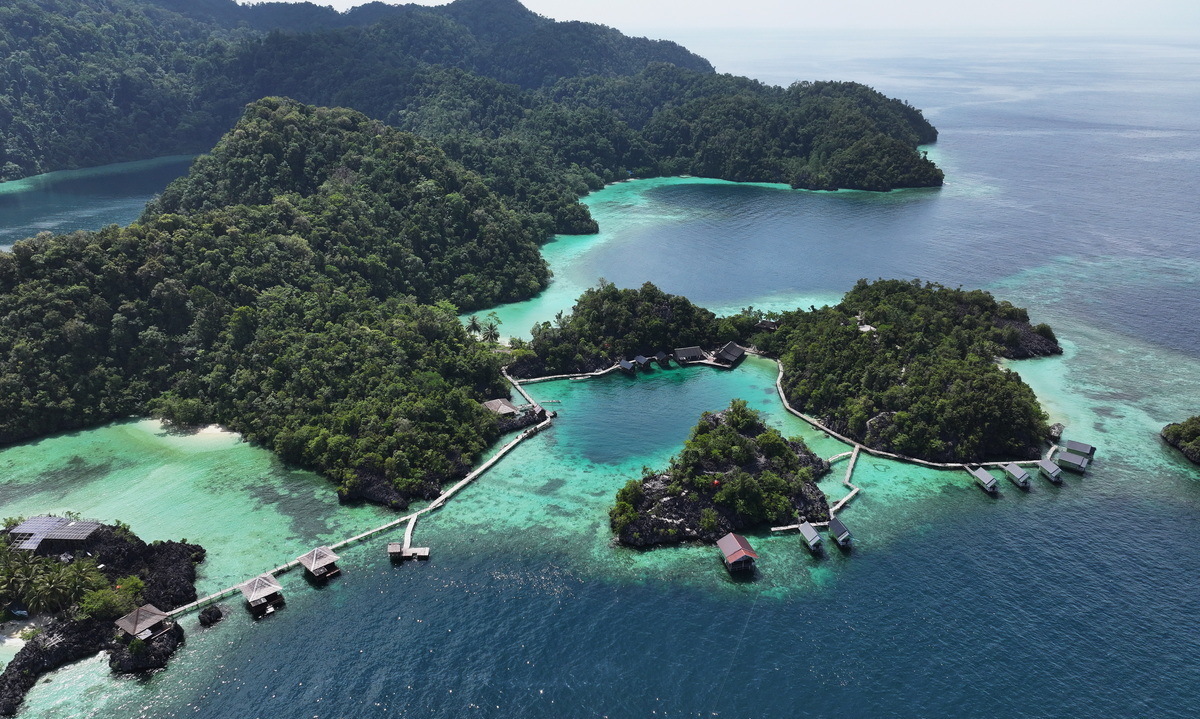
Amid global efforts to curb rising earth temperatures, the term ‘Blue Carbon’ has become a primary focus for scientists and environmental activists. While terrestrial tree-planting campaigns are often viewed as the sole solution for absorbing carbon emissions, recent scientific data shows that coastal and marine ecosystems possess a far more powerful capability to lock carbon dioxide (CO2) from the atmosphere.
Blue carbon refers to the carbon absorbed, stored, and released by marine and coastal ecosystems. The primary focus lies on three key ecosystems: mangrove forests, seagrass meadows, and salt marshes. Although these ecosystems cover less than 2% of the world’s ocean area, their contribution to climate change mitigation is massive.
A fundamental question often arises: why is protecting the ocean considered more effective than simply planting trees on land? There are several scientific reasons. For instance, one hectare of mangrove forest can store as much carbon as 3 to 5 hectares of terrestrial tropical forest. As the owner of 20% of the world’s mangroves, Indonesia plays a crucial role in global blue carbon reserves.
To understand this potential, it is necessary to recognise the three main ecosystems that act as our underwater ‘lungs’. However, despite their effectiveness, blue carbon ecosystems are currently in a critical state. Land conversion for aquaculture, massive coastal development, and plastic pollution threaten their existence. When these ecosystems are damaged, they transform from ‘carbon sinks’ into ‘emission sources’. Carbon that has been stored in sediment for thousands of years will be released back into the atmosphere, accelerating global warming.
While blue carbon ecosystems exist worldwide, Indonesia possesses the greatest potential due to its long coastline and extraordinary biodiversity of mangroves and seagrass. Carbon in the ocean remains stored longer because underwater sediments are often anaerobic (lacking oxygen), which slows the decomposition of organic matter, allowing carbon to remain trapped in the soil for centuries. Therefore, while both terrestrial and marine conservation are vital, marine ecosystems provide more significant results in terms of carbon absorption efficiency per unit area in a shorter timeframe.