
Understanding Bacteriophages: Gut Viruses That Target Bacteria
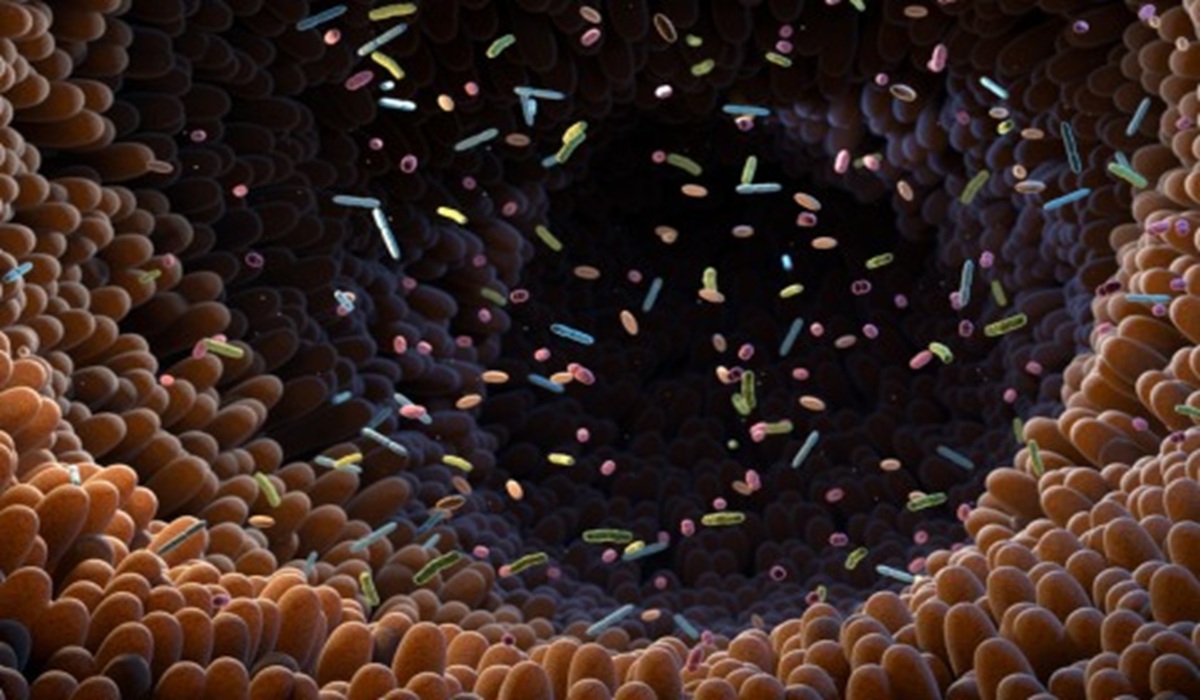
There are viruses that play a different role and can actually help regulate the population of microorganisms in the body. One of them is the bacteriophage, a virus that infects bacteria and is found in the gut. So what actually happens when gut viruses interact with bacteria?
According to the National Institutes of Health, the human gut is home to various microorganisms, including bacteria, fungi, and viruses. Among them are viruses that infect bacteria, known as bacteriophages or phages.
Phages are part of the human virome and play a role in regulating bacterial populations and the microbial ecosystem within the body.
Phages have the ability to target specific bacteria. Researchers from the NIH Human Virome Program used a method called viral tagging, which involves labelling phages with fluorescent dyes to track their interactions with bacteria.
In a study of Faecalibacterium prausnitzii, a bacterium commonly found in the gut, researchers identified more than 300 new bacteria-phage pairings. These findings may help researchers understand how phages interact with bacteria and their link to gut health.
The discovery is part of efforts to better understand the relationship between viruses and bacteria in the gut. However, research into how each phage affects its host bacterium and the impact on human health is still ongoing.
The ability of phages to target bacteria has also drawn attention in the fight against antimicrobial resistance (AMR). According to the WHO, bacteriophages are viruses that selectively target and kill bacteria, including those resistant to antibiotics. Phages do not infect human cells and have the ability to target bacteria specifically.
In therapy, phages can be used specifically for certain infections and potentially combined with antibiotics. The WHO also notes reports of successful phage therapy against resistant bacterial infections, including methicillin-resistant Staphylococcus aureus and Pseudomonas aeruginosa.
Nevertheless, phages cannot yet be used to treat all bacterial infections. Bacteria can develop resistance to phages, while not all infections have a suitable phage available. The WHO stresses that evidence from clinical studies is still needed before phage therapy can be used more widely in humans.
Therefore, bacteriophages are currently best viewed as one approach being developed to tackle antibiotic-resistant bacteria, rather than as a universal replacement for proven antibiotics.