
Undersea Cable to Support Connectivity
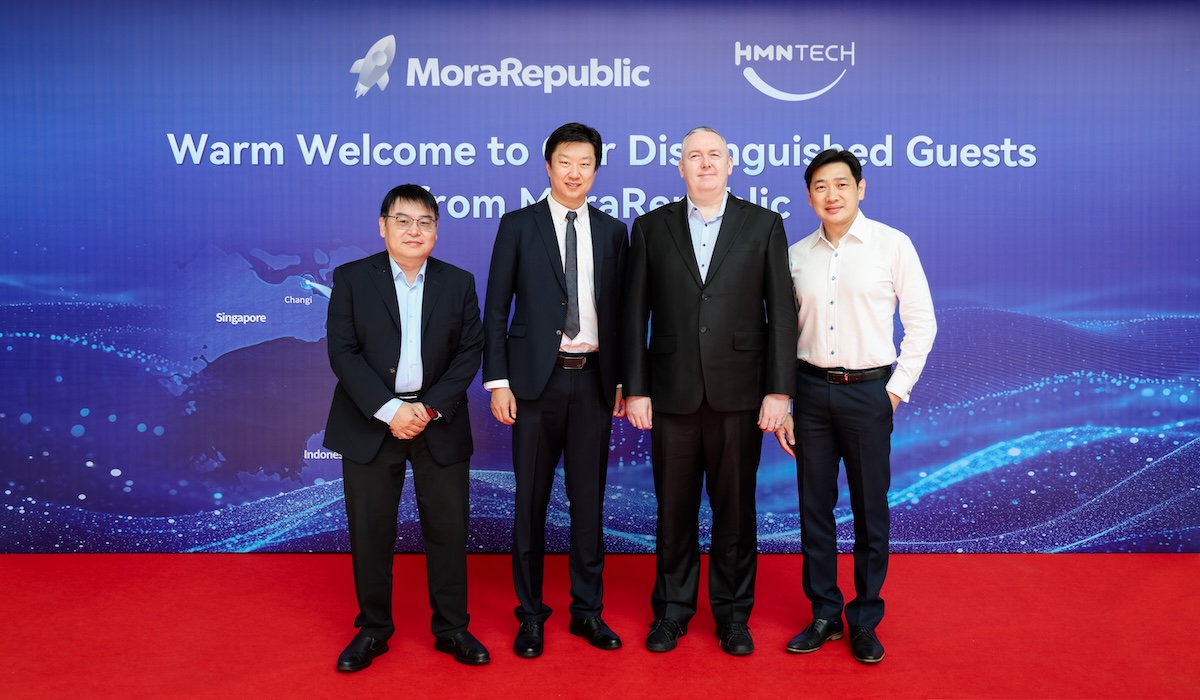
PT Ekamas Mora Republik Tbk (MoraRepublic), together with HMN Technologies Co., Limited (HMN Tech), has completed the Factory Acceptance Testing (FAT) phase for the wet plant equipment for the Moratelindo International Cable System-3 (MIC-3) project. This marks a significant step in the development of high-capacity subsea cable infrastructure connecting Indonesia and Singapore.
The MIC-3 project is designed to connect Singapore with Batam Island through the installation of two 32FP branching units along the subsea cable route. Looking ahead, MoraRepublic is also preparing network expansion through two reserved branching units, including potential connectivity to Jakarta.
The system will strengthen high-speed communication links between Singapore, as a global digital hub, and Indonesia, one of the world’s largest nations by population.
Beyond strengthening international connectivity, MIC-3 is expected to drive digital infrastructure integration within the Singapore-Johor-Batam region. The presence of this network is projected to accelerate digital economic growth and support the development of Artificial Intelligence (AI) and data centres in Southeast Asia.
From a technological perspective, MIC-3 is designed with a future-proof approach using two of HMN Tech’s latest 32FP branching units, equipped with 16FP optical switch technology. The system enables high-performance optical switching, providing greater network access flexibility and scalability for future bandwidth requirements.
This technology also allows for precise communication service switching between main and branch lines, enabling the system to adapt dynamically to increasing digital network demands. This is considered vital for supporting the long-term growth of the regional digital ecosystem.
As a strategic infrastructure, MIC-3 utilises HMN Tech’s repeatered 32FP subsea cables, which offer very high capacity and low latency. The network is designed to anticipate surges in regional bandwidth demand and serve as a critical foundation for the development of the regional digital industry.
Once commercially operational, MIC-3 will be integrated with MoraRepublic’s domestic and international networks. This integration is expected to strengthen cross-border digital collaboration within Southeast Asia.
Chief Technology Officer of MoraRepublic, Michael C. McPhayl, described MIC-3 as a strategic project that strengthens regional digital connectivity. “The MIC-3 subsea cable project is a key strategic initiative in strengthening regional digital interconnection. This project provides a high-capacity connectivity gateway linking Indonesia with Singapore, while allowing for the expansion of large-capacity network coverage in the future through the prepared branching flexibility. The presence of MIC-3 will provide a new boost to digital economic growth in the region,” said Michael, as reported on Wednesday.
Meanwhile, Executive Vice President of HMN Tech, Ma Yanfeng, emphasised the company’s commitment to supporting the development of high-speed global backbone networks. “As AI technology evolves globally, the need for international connectivity is moving towards greater capacity, higher flexibility, and increased network resilience. Moving forward, HMN Tech will continue to support global digital connectivity through core technologies designed for the era of artificial intelligence,” said Ma Yanfeng.
MoraRepublic is an integrated digital services and infrastructure company resulting from the merger of PT Mora Telematika Indonesia Tbk and PT Eka Mas Republik. The company manages high-capacity backbone networks, fibre-to-the-home (FTTH) services via MyRepublic Fiber and Oxygen.id, and fixed wireless access (FWA) via MyRepublic Air.
With the support of extensive subsea cable networks and fibre optic infrastructure, MoraRepublic aims to expand digital access, increase technological inclusion, and drive sustainable growth within the digital ecosystems of Indonesia and the wider region.