
Undana and Bappenas Explore Sustainable Beef Cattle Ecosystem Development in NTT
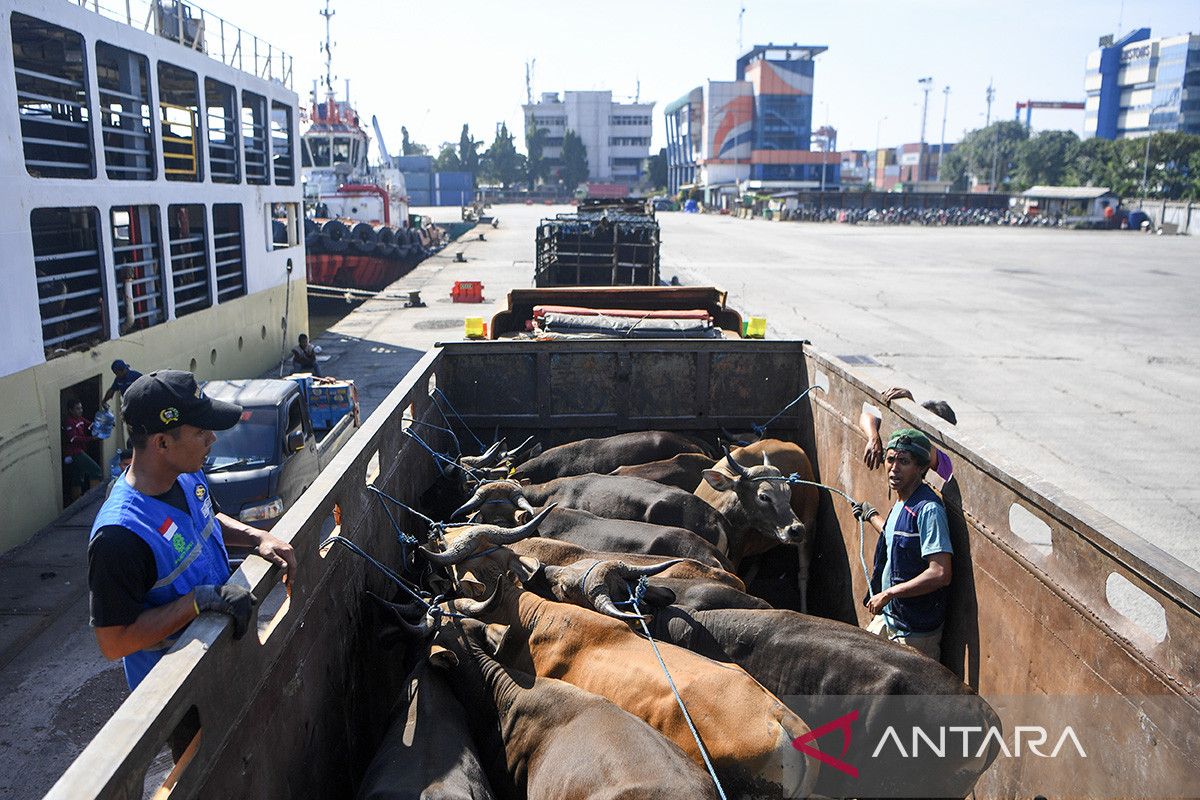
Kupang (ANTARA) - Nusa Cendana University (Undana) Kupang, together with the Ministry of National Development Planning/National Development Planning Agency (PPN/Bappenas), is exploring cooperation on the development of a sustainable beef cattle ecosystem in East Nusa Tenggara (NTT) to strengthen the livestock sector. Vice Rector I and Acting Vice Rector IV for Planning, Cooperation and Information Systems at Undana, Prof. Dr. drh. Annytha I.R. Detha, stated on Wednesday that beef cattle commodities play a vital role in supporting food security and the economy of the NTT community. “The beef cattle commodity is a fundamental sector for food security and the economy of NTT. Undana is committed to mobilising all its academic potential to support the development of this sector,” she said. According to her, Undana possesses a complete educational and research ecosystem for animal husbandry, spanning from undergraduate to doctoral levels, enabling it to contribute to strengthening the regional livestock sector. Vice Dean I of the Faculty of Animal Husbandry, Marine and Fisheries (FPKP) at Undana, Dr. Franchy Cristian Liufeto, explained that the faculty has various laboratory facilities capable of supporting the beef cattle industry’s development. “We have field laboratory facilities, livestock meat testing, reproduction, and a feed chemistry laboratory. Currently, Undana’s FPKP is also focusing on developing genetic improvement innovations for local cattle through an artificial insemination programme to enhance the quality of beef cattle in NTT,” he said. Meanwhile, Director of SME and Cooperative Development at Bappenas, Mahatmi Parwitasari Saronto, appreciated Undana’s initiative in overseeing the sustainability of the livestock development programme. However, she conveyed that in the 2026 fiscal year, no specific funding allocation is yet available for the programme due to budget efficiency and adjustments to national development priorities. As an alternative, Bappenas encourages strengthened collaboration through a mechanism of strategic proposals to ministry leadership. Several agendas discussed in the cooperation plan include strengthening the institutional capacity of smallholder farmers, replicating partnership models, and preparing an academic paper for policy recommendations. Both parties also agreed to follow up on these discussions through a meeting between the Rector of Undana and the Minister of PPN/Head of Bappenas in the near future to discuss broader cooperation opportunities. Undana is currently preparing a work plan proposal and an audience letter, while Bappenas will provide assistance in drafting a memorandum of understanding (MoU) document as the legal basis for cooperation. The development of a sustainable beef cattle ecosystem is considered important given that NTT is one of the national cattle centres. Collaboration between university research support and national development planning is expected to strengthen domestic meat supply while improving the welfare of farmers in the region. East Nusa Tenggara (NTT) typically distributes around 60,000 to 75,000 head of cattle annually to various regions, dominated by Bali beef cattle. Distribution destinations include West Java, DKI Jakarta, Kalimantan, Sulawesi, and Sumatra. Historically, the volume of cattle shipments from NTT has shown consistent figures and serves as one of the backbones of the national meat supply. Approximately 90 per cent of this comes from smallholder farms spread across Timor Island and other islands, including the regencies of Kupang, South Central Timor (TTS), North Central Timor (TTU), Malaka, Belu, East Sumba, and parts of Flores.