
Undana and ATSEA Collaborate on Dugong Research to Support NTT's Blue Economy
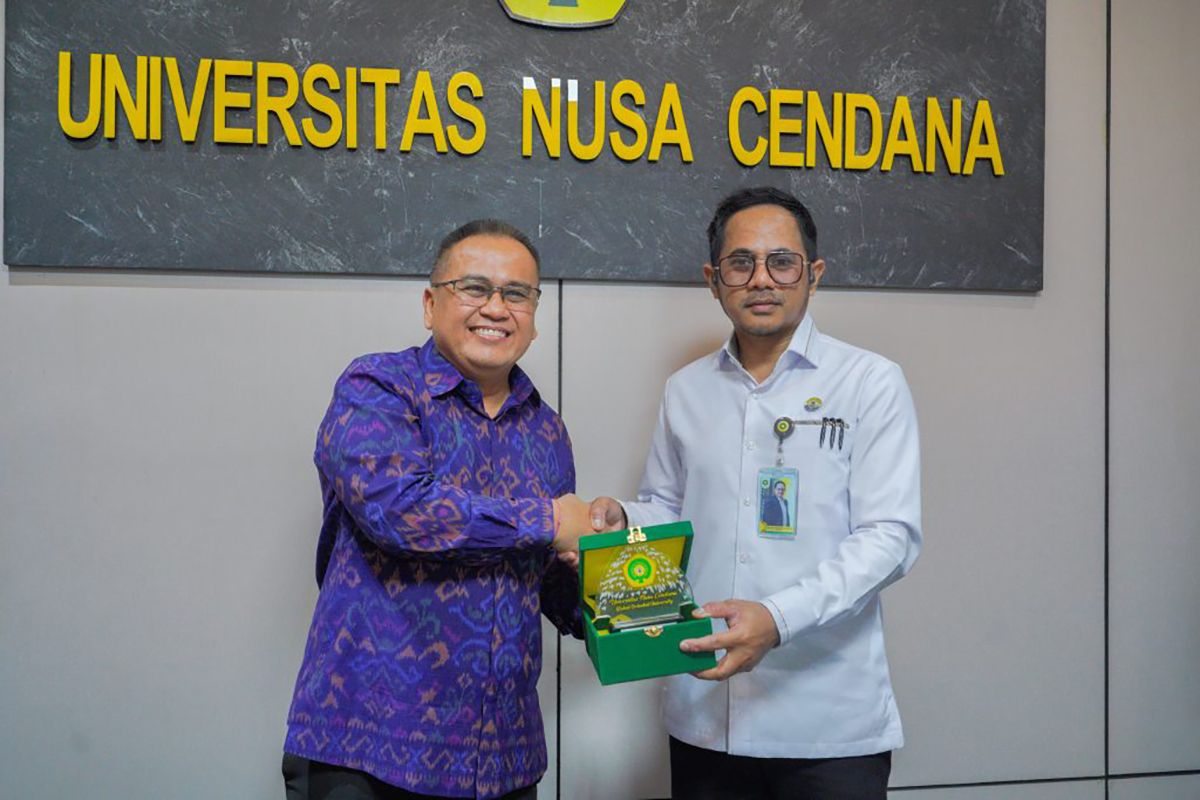
Nusa Cendana University (Undana) in Kupang is collaborating with the Interim Regional Secretariat of the Arafura and Timor Seas Ecosystem Action (ATSEA) to conduct research on dugong conservation and seagrass ecosystems in Rote Ndao. The initiative aims to support the development of the blue economy and sustainable marine resource management in East Nusa Tenggara (NTT). The partnership was formalised through the signing of a Memorandum of Understanding (MoU) and a Memorandum of Agreement (MoA) by Undana Rector Prof Jefri S Bale and ATSEA Interim Regional Secretariat Executive Director Handoko Adi Susanto in Kupang. Prof Bale stated that the collaboration is a strategic step to strengthen education, research, and community service, particularly in the marine and fisheries sector. He noted that the involvement of lecturers and students from the Faculty of Animal Husbandry, Marine, and Fisheries (FPKP) in joint research will enhance human resource capacity while generating scientific data useful for coastal resource management. ATSEA Executive Director Handoko Adi Susanto explained that Undana was chosen as a partner due to its geographical proximity to the research site on Rote Island and its competent academic staff in marine science. The programme is designed to facilitate direct student involvement in comprehensive research, with plans to hold an international symposium in Kupang with FPKP Undana. ATSEA is a cooperation forum involving Indonesia, Australia, and Papua New Guinea, coordinated by the Ministry of Marine Affairs and Fisheries (KKP), focusing on marine ecosystem protection, pollution management, strengthening small-scale fishers, and species conservation. The joint research team will study the dugong population and the health of seagrass beds in the waters of Rote Ndao, as both ecosystem components play a crucial role in maintaining coastal balance and supporting the sustainability of the fisheries and marine tourism sectors. FPKP Dean Agnette Tjendanawangi stated that the research results are expected to provide a scientific basis for formulating sustainable coastal area management policies. She added that healthy seagrass beds serve as habitats for various economically valuable marine biota, making their conservation vital for both the environment and the livelihoods of coastal communities. The collaboration is also expected to strengthen East Nusa Tenggara’s position as a blue economy development area through resource utilisation that considers conservation, human resource quality improvement, and strengthened research collaboration at the regional level. The joint research findings will serve as a scientific reference for ecosystem management in the Arafura and Timor Seas, involving Indonesia, Australia, and Papua New Guinea, thereby supporting marine resource sustainability while providing economic benefits to coastal communities.