
UNAND studies local plants' potential for diabetes and hypertension treatments
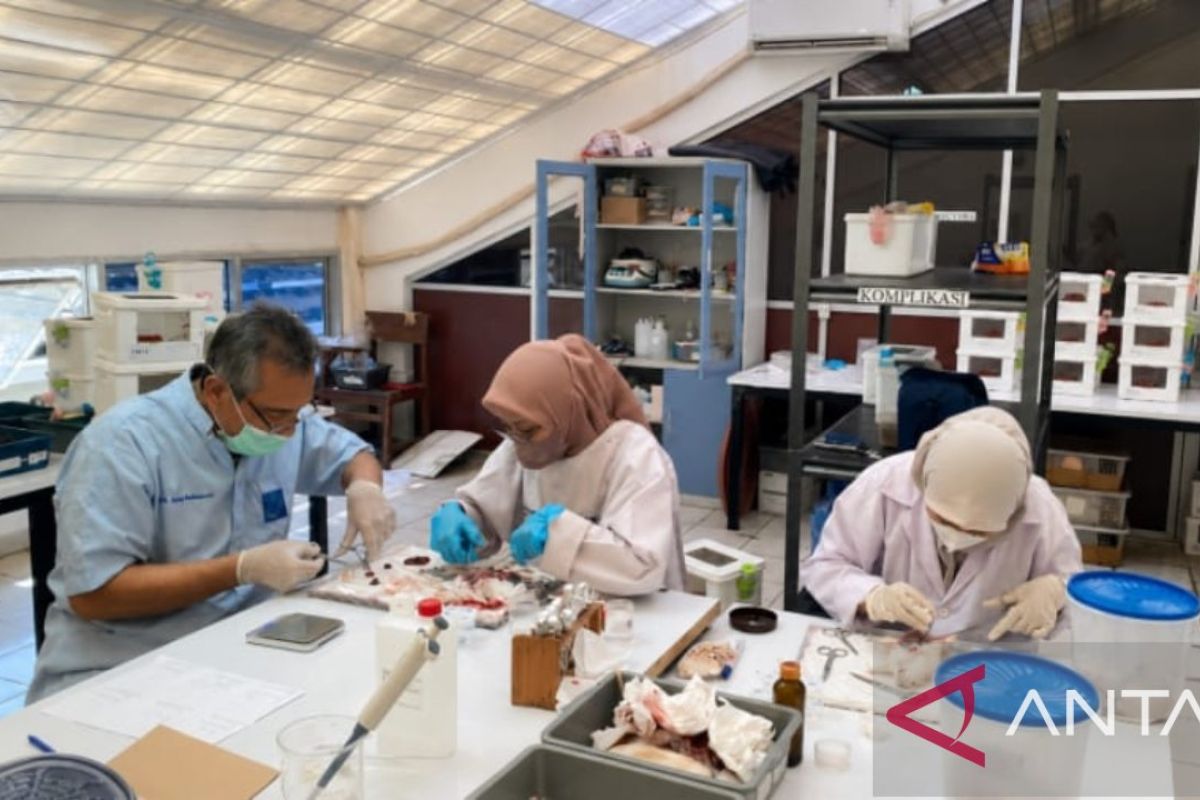
Padang (ANTARA) - A research team fromUniversity of Andalas (UNAND) inWest Sumatra is studying the potential of local plants to create treatments for diabetes and hypertension, which often occur together and cause long-term complications for patients. ‘This study focuses on a combination of three widely-known traditional medicinal plants in Indonesia: cinnamon, physalis, and Dayak onion,’ said UNAND Faculty of Agricultural Technology Professor Fauzan Azima in Padang on Thursday. The combined extracts from these three plants were developed based on their bioactive compounds, including polyphenols, flavonoids, anthocyanins, and organosulfur compounds, which are known for their antioxidant and anti-inflammatory properties. Professor FAUZAN explained that diabetes and hypertension are two related metabolic disorders. When occurring together over a prolonged period, they can induce oxidative stress, chronic inflammation, and organ dysfunction. ‘This complication is known to increase the risk of damage to vital organs such as the pancreas, kidneys, heart, and blood vessels,’ he said. ’ Indonesia’s natural wealth offers significant potential for developing alternative natural-based medications,’ he added. The research findings demonstrated that the combined extracts of cinnamon, physalis, and Dayak onion effectively normalised blood glucose and blood pressure levels simultaneously in test subjects with diabetes and hypertension complications. Interestingly, blood pressure in diabetic-hypertensive test subjects returned to normal more quickly than in those with hypertension alone. Additionally, the combined extracts reduced systemic inflammation and protected against damage to the pancreas and kidneys. He noted that combinations of multiple medicinal plants can produce broader therapeutic effects as their diverse bioactive compounds simultaneously target multiple pathological pathways. ‘Research into traditional medicinal plants is crucial not only to validate their therapeutic effects scientifically but also to support the development of locally-sourced natural treatments,’ he said. Finally, this collaborative research involving professors from Malang State University, Jambi University, and UNAND students is expected to undergo further studies to determine the mechanism, safety, and clinical application of the plant combination before widespread human use.