
UNAND Studies Integration of Minangkabau Local Wisdom with Climate-Smart Agriculture
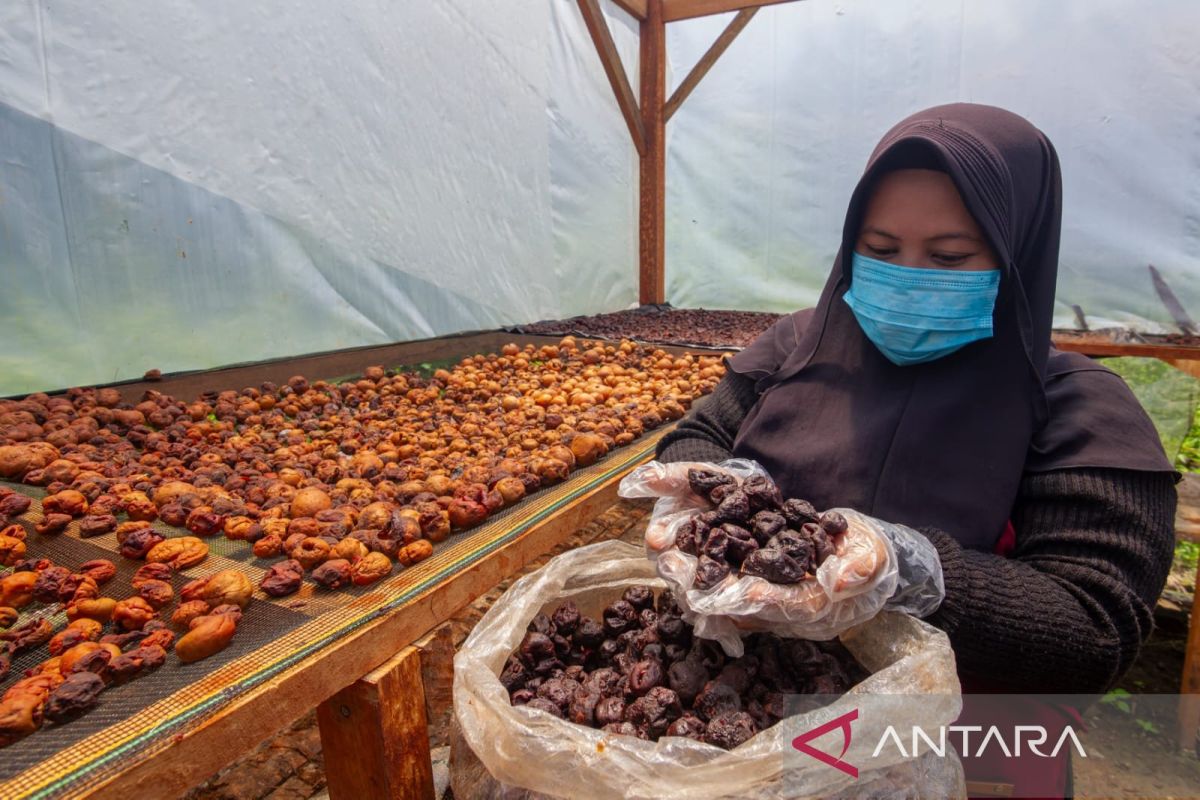
Andalas University (UNAND) in West Sumatra is conducting a study on the traditional Minangkabau farming system known as ‘parak’, a form of local wisdom, to integrate it with the concept of climate-smart agriculture. Yulinda, a researcher from UNAND’s Faculty of Agriculture, stated in Padang on Saturday that the Minangkabau local wisdom embodied in the parak system holds significant potential to become a sustainable model for climate change adaptation and mitigation. The research is driven by the growing threat of climate change, which is triggering extreme weather, floods, and landslides across various regions of West Sumatra. One solution being pursued by the university is research through the development of climate-smart agroforestry in the Nagari Salibutan Forest, Lubuk Alung District, Padang Pariaman Regency. She explained that the Nagari Salibutan Forest is a crucial environmental buffer zone in the Batang Anai River watershed. This forest serves as a water catchment area that supports the livelihoods of communities downstream. However, changing rainfall patterns, rising air temperatures, and the high risk of hydrometeorological disasters have made the area vulnerable to environmental degradation. UNAND is not only conducting research but also promoting the direct application of research findings together with the community. She noted that the approach taken in the research shows that local wisdom can be an important part of the global solution to climate change. In practice, the community, through the Forest Management Institution (LPHN) and the Social Forestry Business Group (KUPS), is developing a multi-layered agroforestry pattern. Trees such as asam kandis, durian, mangosteen, petai, and areca nut are maintained as the primary protectors of the forest area while also acting as carbon sinks. On the next layer, cocoa is planted, while spice plants like ginger, turmeric, and lemongrass grow on the forest floor as an additional source of income for the community. UNAND’s research results indicate that the model addresses the three main objectives of climate-smart agriculture: increasing farmer productivity and income through business diversification, strengthening resilience to climate change, and contributing to the reduction of greenhouse gas emissions. She added that besides providing ecological benefits, the agroforestry system also opens up new economic opportunities, including the potential for developing community-based carbon trading, which is beginning to attract global attention.