
UNAND Expert Reveals Why Many Indonesians Seek Medical Treatment Abroad
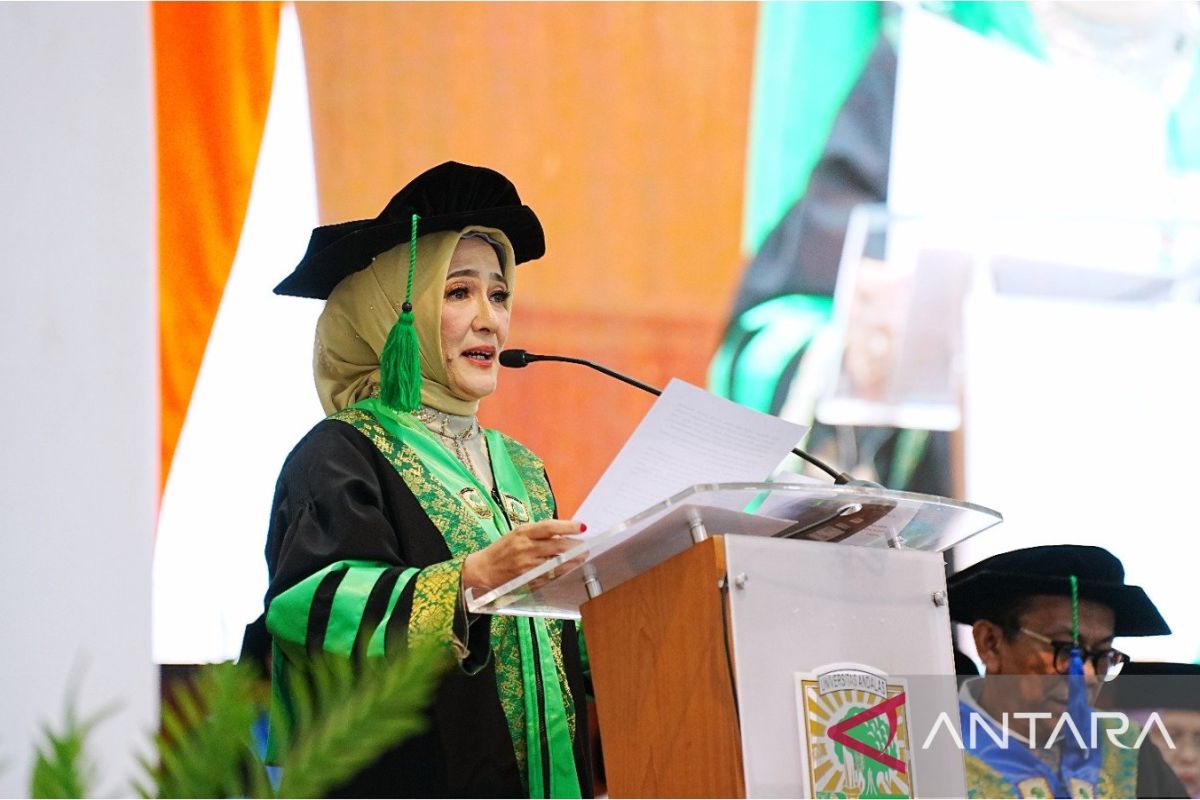
A health service administration expert and professor at the Faculty of Medicine, Andalas University (UNAND) in West Sumatra, Prof Rima Semiarty, has revealed the reasons why many Indonesian citizens (WNI) choose to seek medical treatment abroad. “From a health service administration perspective, patients’ decisions to seek treatment overseas are heavily influenced by their service experience,” she said in Padang on Sunday. This patient experience encompasses the quality of communication, service certainty, ease of access, information transparency, and comfort during the healthcare process. According to her, the increasing phenomenon of Indonesians opting for medical treatment abroad has become a significant challenge in national health development. Each year, millions of Indonesians seek healthcare services in Malaysia, Singapore, and other countries. This situation results in substantial foreign exchange losses. However, the issue is not solely caused by technological factors or the competence of health workers. Behind this decision lies a more fundamental problem: public trust in the healthcare service system. “These various factors ultimately affect the level of public satisfaction and trust in domestic hospitals,” she stated. According to Prof Rima, to address this issue, stakeholders, particularly hospitals, must undertake a healthcare service transformation focused on building public trust within the country. There are at least three main directions for transformation that can address the problem: strengthening more humanistic and patient-centred care, developing a service system that is fast, certain, and transparent, and strengthening collaboration between the government, hospitals, universities, professional organisations, the business sector, and the community. Through these efforts, hospitals in Indonesia are expected not only to improve service quality but also to rebuild public trust. The hope is that national healthcare services can develop to become higher quality, more equitable, and capable of meeting the expectations of the people in their own country.