
UNAND Expert Recommends Local Food Consumption to Prevent Stunting
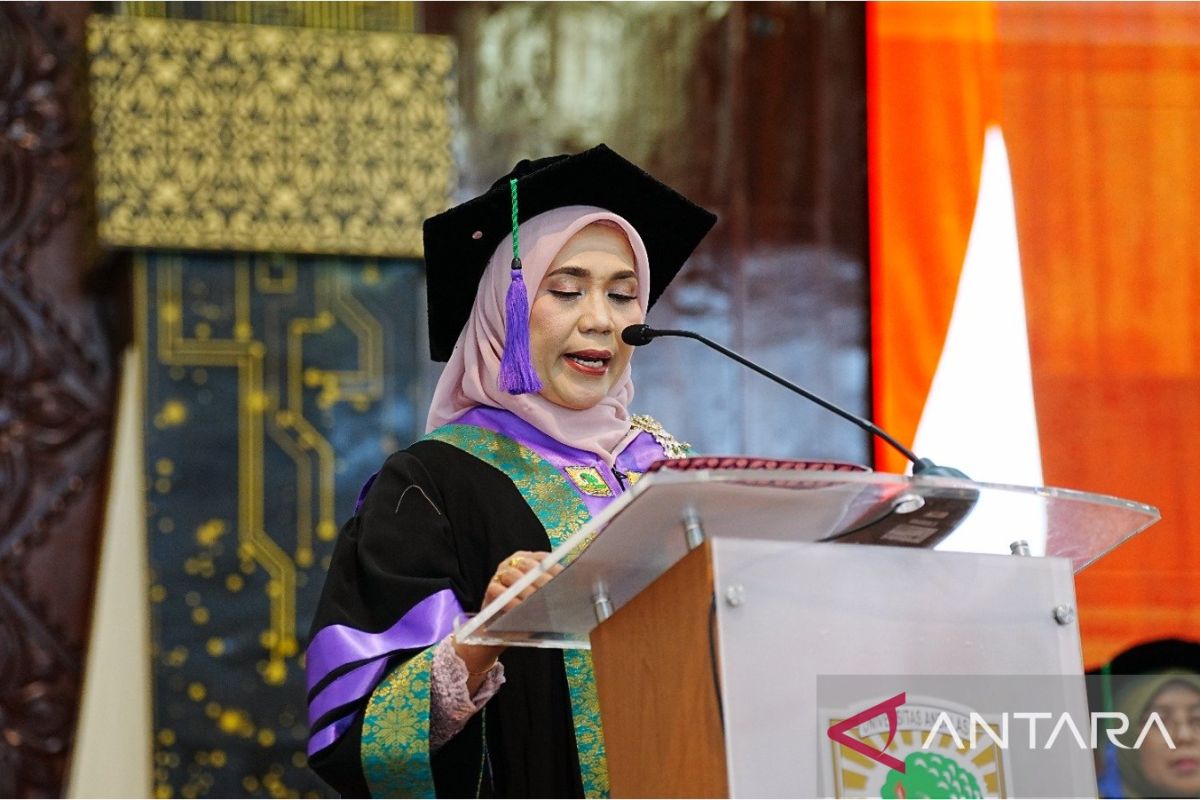
A nutrition expert and professor at the Faculty of Public Health, Andalas University (UNAND) in West Sumatra, Prof Helmizar, has recommended the consumption of dadih, a local food from the Minangkabau region, as an effort to prevent stunting. Dadih is a traditional fermented buffalo milk product rich in protein, essential amino acids, and minerals, and it contains lactic acid bacteria that function as probiotics.
Speaking at her inauguration as a professor in Padang on Saturday, Prof Helmizar explained that intervention research conducted on pregnant women showed that dadih supplementation, and its combination with zinc during pregnancy, provided benefits to maternal nutritional status. The intervention improved micronutrient status and enhanced the immune system of both mother and baby. The administration of dadih and zinc was proven to reduce the prevalence of zinc deficiency in pregnant women and increase levels of secretory Immunoglobulin A, an important indicator of the mucosal immune system.
She added that infants born to mothers who received the intervention tended to have better health status and growth compared to the control group. Beyond physical growth, her research also examined children’s cognitive, language, and motor development using the Bayley Scales of Infant and Toddler Development III. The results showed that the majority of children had developmental scores in the normal to superior range.
Prof Helmizar further stated that to realise the vision of a Golden Indonesia 2045, nutritional intervention alone is insufficient. Support during the first 1,000 days of life must be accompanied by proper parenting. She noted that the local wisdom-based parenting approach in West Sumatra, known as Manjujai, has been proven to support children’s cognitive, language, and socio-emotional development. This approach underscores that successful child growth and development is influenced not only by nutritional adequacy but also by the quality of care, the psychosocial environment, and the developmental stimulation provided by the family.