
Unand, BNPB and Australia collaborate on integrated disaster research
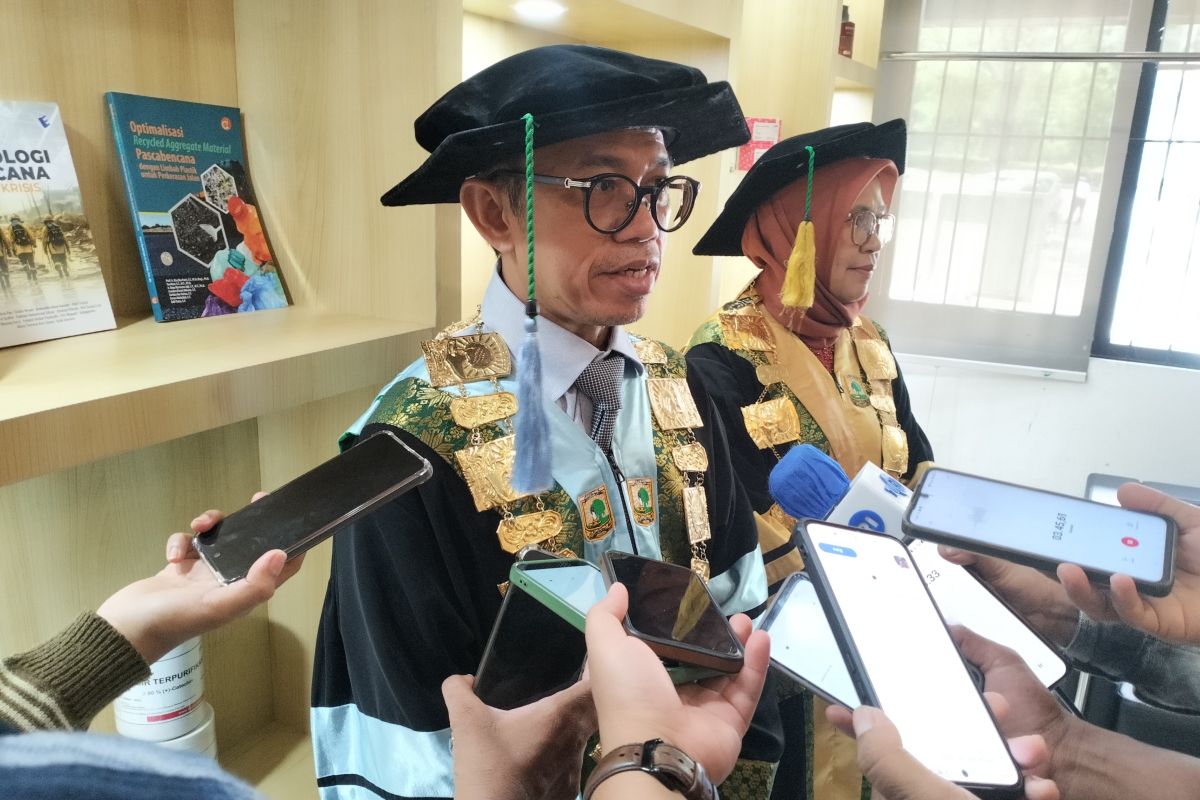
Universitas Andalas (Unand), the National Disaster Management Agency (BNPB), and the Australian Government have partnered to strengthen disaster preparedness and resilience through integrated research, education, and the development of a disaster studies centre.
Unand’s rector, Efa Yonnedi, stated in Padang on Sunday that the collaboration is a strategic step towards building a sustainable disaster management ecosystem, particularly for Sumatra, which is highly vulnerable to geological and hydro-meteorological disasters.
Through a BNPB 2025 grant, Unand will develop research on megathrust earthquake threats in Sumatra, with an output being a book titled “Overview of Sumatra Megathrust Threats”.
The grant will also support the International Conference on Disaster Management and Mitigation, serving as a platform for scientific collaboration and idea exchange to enhance disaster mitigation.
For 2026–2027, research will expand to advanced megathrust studies and a book on hydro-meteorological disasters, in response to rising disaster incidents in Sumatra in recent years.
Yonnedi emphasised that universities bear significant responsibility in providing innovative and scholarly research to support national disaster policy-making. Given Indonesia’s numerous natural disaster threats, preparedness must be a key component of development.
“Universities play a strategic role in delivering research and innovations that inform policy decisions,” he said.
He added that Unand is preparing to become a university adaptable to disaster challenges through strengthened academic programmes and research centres relevant to community needs.
Strengthening the disaster management ecosystem must be sustained to ensure Indonesia has strong resilience against natural threats, which is vital not only for public safety but also for maintaining development stability and boosting investor confidence.
Meanwhile, BNPB Secretary-General Rustian stressed that future disaster policies must be based on ground realities to ensure mitigation and response efforts are effective, targeted, and sustainable.
“Disaster policies and mitigation must be built on ground conditions to be effective and targeted,” he said.