
UNAND and Philippines Researcher Collaborate on West Sumatra Local Food Study
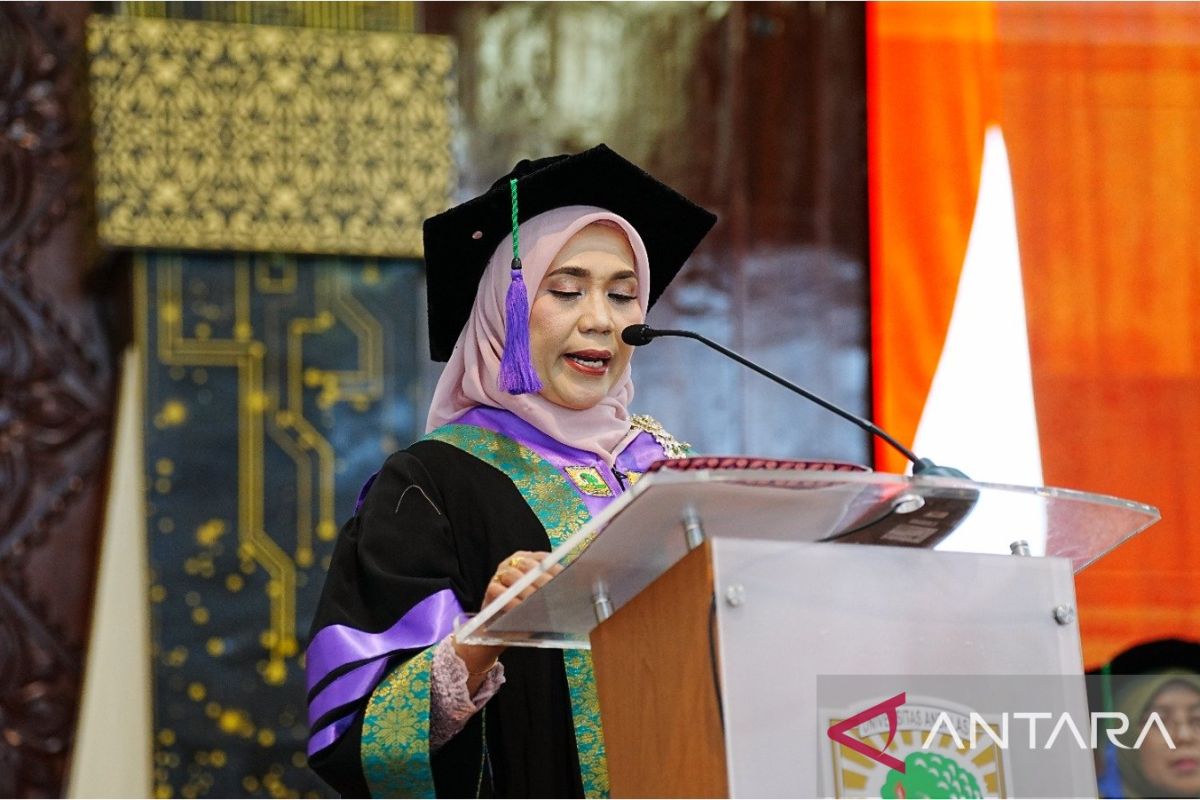
Padang (ANTARA) - Professor Helmizar of the Faculty of Public Health at Universitas Andalas (UNAND), West Sumatra, is conducting joint research with Pierangeli G. Vital, a researcher from the University of the Philippines Diliman, to study local foods originating from the Ranah Minang region.
“This collaboration focuses on the development of dadih-based functional foods,” said the professor from UNAND’s Faculty of Public Health in Padang on Tuesday.
Professor Helmizar explained that dadih is a traditional fermented food unique to West Sumatra with significant potential for development through scientific approaches and modern technology. In the research, the team developed various innovations based on dadih.
These ranged from studies of its probiotic content to processing using spray dryer technology, producing dadih flour with a longer shelf life without losing its key characteristics as a fermented food.
The product then became a raw material for developing various functional foods, such as nutritious bread, complementary foods for breastfed infants, and food formulations using local ingredients including sorghum, red sweet potato, maize, red beans and soybeans.
He said the research approach not only optimises the potential of dadih, but also strengthens the utilisation of Indonesia’s local food resources through research-based innovation. As part of the downstream application of research findings, UNAND has also developed a mini plant, or teaching factory, for functional foods.
The facility serves as a learning platform as well as a product development centre, so that innovations produced do not stop at academic publication but can continue towards production and use by communities and industry.
He added that international collaboration not only strengthens research quality, but also opens opportunities for the exchange of knowledge and experience, as well as the development of innovations with broader benefits for society.