
Unair Student Body Files Amicus Brief with Constitutional Court, Rejects Education Budget Cuts for Free Meals Programme
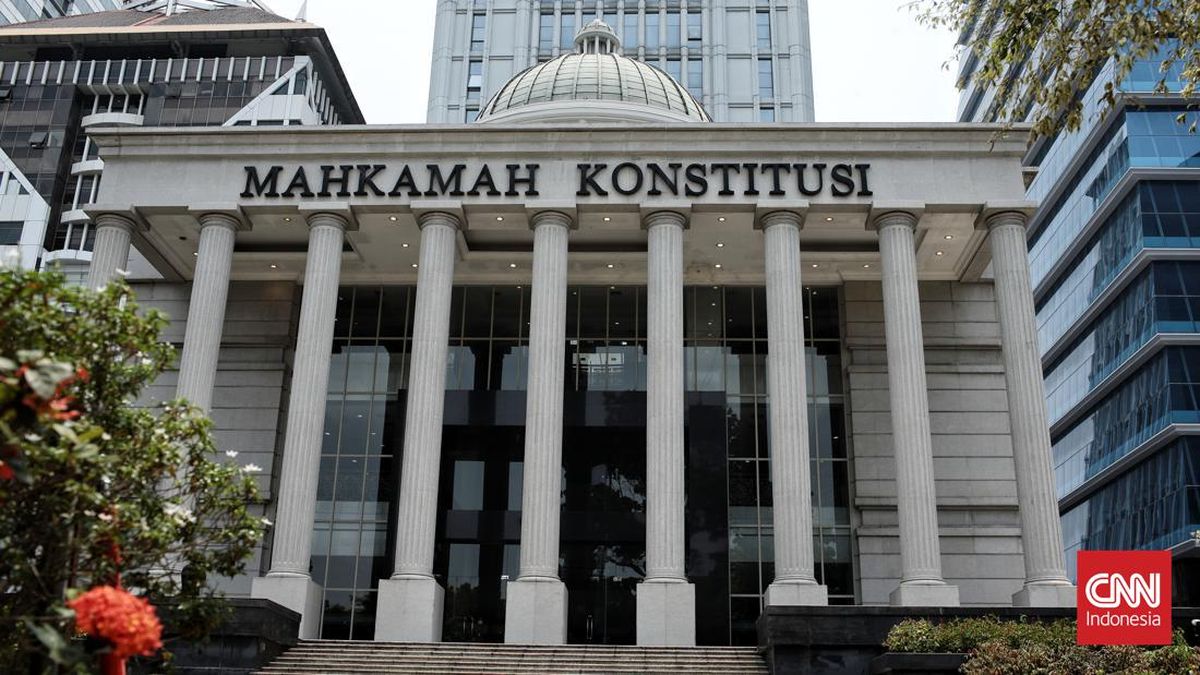
The Airlangga University Student Executive Board (BEM Unair) submitted an amicus curiae brief to the Constitutional Court (MK) in Jakarta on Thursday, opposing the use of the education budget to fund the Free Nutritious Meals Programme (MBG). The brief relates to the judicial review of Article 22 Paragraph (3) of Law Number 17 of 2025 concerning the 2026 State Budget. The students argue that allocating education funds for MBG constitutes a ‘constitutional evasion’ through budgetary redefinition. Daniel Theodore, Minister of Social and Political Affairs for BEM Unair, stated that the submission is a form of student responsibility to safeguard the constitution. ‘We are not merely fighting for the 20 percent education budget figure, but to ensure that the budget is genuinely used to improve the quality of education,’ Daniel said. The student body highlighted that the Free Nutritious Meals Programme, by nomenclature, institution, and function, falls under food security and social welfare, managed by the National Nutrition Agency, not the Ministry of Education. They noted that 5.8 percent of the claimed 20 percent education budget has been diverted to MBG and the National Nutrition Agency’s operations, amounting to Rp223.5 trillion. BEM Unair also pointed out that many schools, particularly outside Java, still lack basic infrastructure, while teacher welfare remains neglected. The students urged the Constitutional Court to rule that the 20 percent budget floor is a strict constitutional limit that cannot be manipulated through budgetary engineering. BEM Unair Chairperson M Rizqi Senja Virawan emphasised that the education budget must not be cut to fund other programmes, warning that the dream of a ‘Golden Generation’ is impossible if school facilities deteriorate and teacher welfare is ignored. The student body called on civil society and education advocates to monitor the trial, viewing the court’s decision as a historic precedent for the future of Indonesian education.