
Unable to Withstand Separation from Russia, EU Seeks Dialogue with the Kremlin
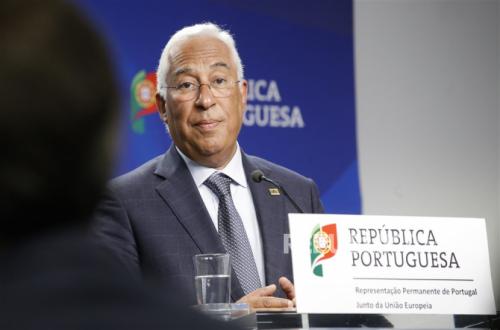
After more than three years of maintaining a wall of diplomatic isolation towards Moscow, the European Union is now sending the clearest signal yet that this wall is beginning to crack. European Council President António Costa has openly revealed that he is discussing the possibility of negotiations with Russia together with all 27 member state leaders, a step that would have been almost unimaginable just a few years ago. “I am talking with the leaders of the 27 European Union countries to determine the best way to organise our work and to identify what we actually need to discuss with Russia when the time is right,” Costa said, as quoted by the Financial Times and RIA Novosti on Thursday (7/5/2026). That statement did not emerge in a vacuum. It arrives amid layered pressures that are increasingly difficult for Europe to bear: the deadlock in the Ukraine war that shows no sign of resolution, an energy crisis worsened by turmoil in the Middle East, and the gradual erosion of internal EU solidarity itself. Signals from Various Directions The change in tone in Brussels is not coming from a single voice alone. Previously, Finnish President Alexander Stubb, whose country shares a direct border with Russia, stated in March that Europe is approaching the point where it needs to “open political dialogue channels with Russia.” Stubb added that relations would be restored after the conflict ends, but they would never return to what they were before. From Tallinn, Estonian President Alar Karis, whose country is known as one of the most vocal supporters of Ukraine, posed a surprising question: “Are we ready if the war ends today or tomorrow?” Karis even pushed for the appointment of a special envoy to begin reopening diplomatic channels with Moscow, emphasising that diplomatic preparations should have started long before the war ends. A louder voice came from Albanian Prime Minister Edi Rama, who called Europe’s decision to cut off communication with Russia a “major strategic mistake.” At an economic forum in Delphi, Greece, Rama reminded that Europe’s influence would continue to shrink the longer the diplomatic isolation is maintained. “Europe must always, always talk to all parties,” he stressed. “The longer we delay, the less influence we have. Russia is not going anywhere.”