
UN Warns of Global Disaster Risks as Earth's Warming Exceeds 1.5 Degrees Celsius
The United Nations Environment Programme (UNEP) projects that the surge in Earth’s temperature will exceed the threshold of 1.5 degrees Celsius above pre-industrial levels in the coming years. This condition is predicted to double the threat of natural disasters and public health crises across various parts of the world.
To mitigate the adverse impacts of climate change, UNEP emphasises the importance of returning the global temperature decline to the 1.5 degrees Celsius range or lower before the end of this century. This warning emerges ahead of the one-decade anniversary of the Paris Agreement in November 2026, an international pact agreed upon by approximately 190 countries and territories, including Japan, to curb the pace of global warming.
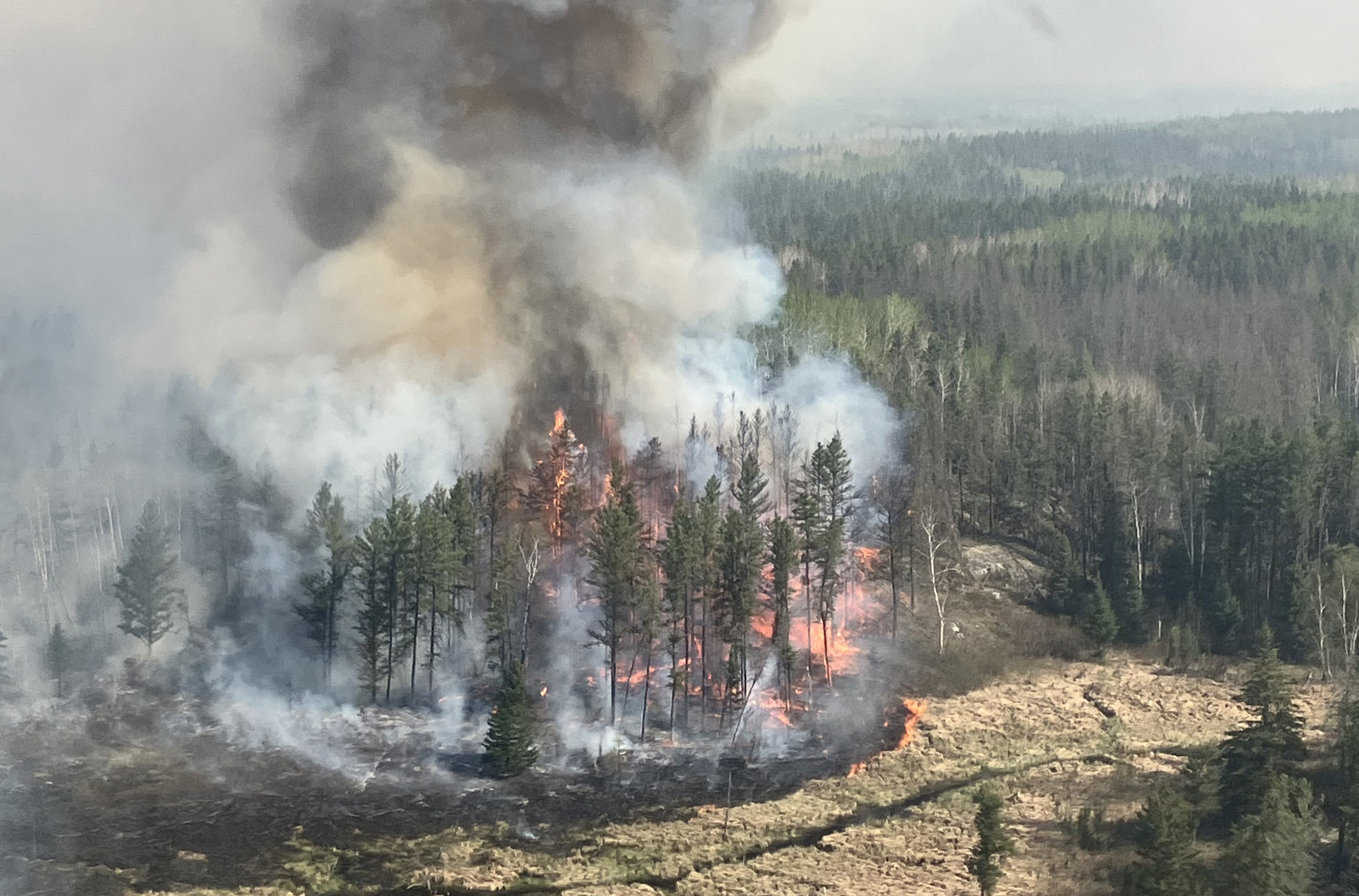
UN Secretary-General Antonio Guterres asserted that current extreme weather phenomena serve as a warning sign for the planet’s future. “Scorching heatwaves, blazing wildfires, and deadly floods this summer are a warning of what is to come. We must ensure that the breach of 1.5 degrees Celsius is as small and as brief as possible,” said Guterres. “The world needs the courage to push beyond our current ambitions,” he added.
If nations continue to implement current emission policies, the UNEP report estimates that global warming will reach 2.6 degrees Celsius by the year 2100. Even if all net-zero emissions commitments and greenhouse gas reduction targets are met, Earth’s temperature is still assessed to increase by approximately 1.8 degrees Celsius.
This escalation in temperature has the potential to trigger more severe extreme weather waves, massive ecosystem destruction, and the threat of small island nations sinking. The food security sector, clean water supply, infrastructure facilities, and human health are also predicted to experience serious disruptions.
If the rate of warming reaches 3 degrees Celsius this century, the world’s glaciers are projected to lose more than 25% of their mass by 2100, resulting in a sea-level rise of 9 to 13 centimetres.
Professor Richard Betts, a contributor to the UNEP report from the University of Exeter, highlighted the link between rising temperatures and the increased intensity of natural disasters. “However, we can prevent this condition from becoming much worse by reducing emissions and limiting the amount of warming,” said Betts.
As a mitigation step following the breach of the 1.5 degrees Celsius limit, UNEP recommends the absorption or removal of carbon dioxide volumes from the atmosphere to exceed the amount of emissions produced. Nevertheless, the report emphasises that carbon removal technology should only serve as a supplementary measure, not a replacement for the priority effort of directly cutting greenhouse gas emissions.