
UN: US-Iran War Could Push 32 Million People in 160 Countries into Poverty
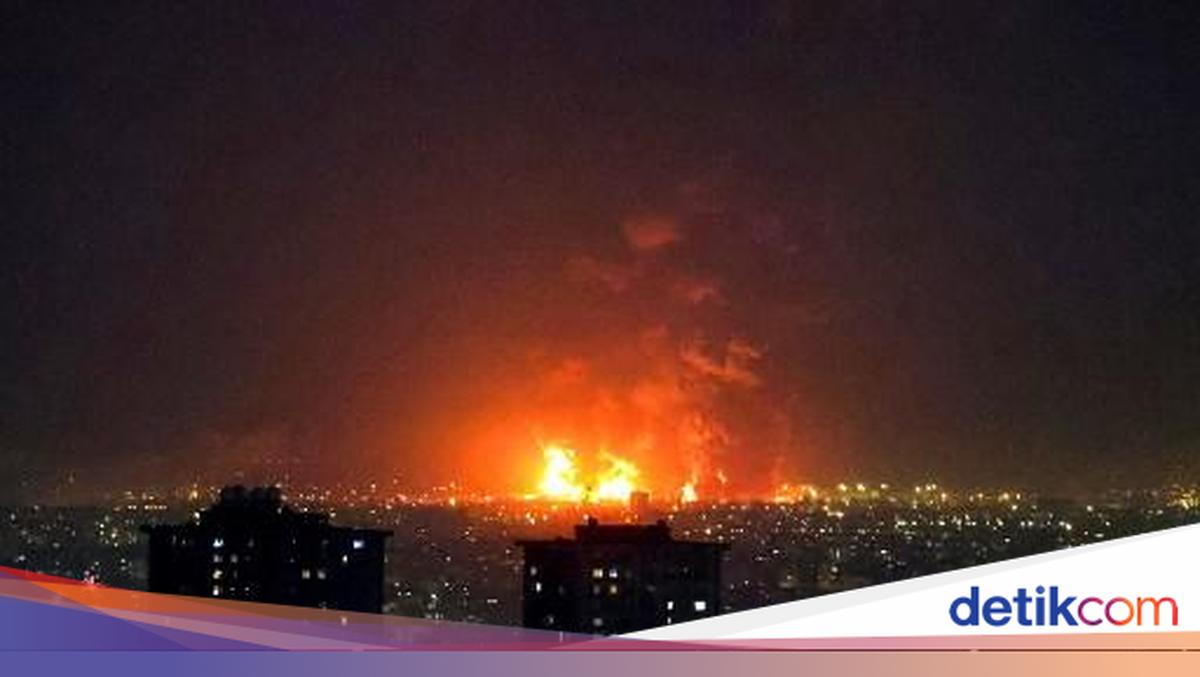
The United Nations (UN) has stated that the United States (US)-Israel war against Iran has caused energy and fertiliser prices to surge. The UN predicts that this situation could lead to 32 million people falling into poverty in 160 countries.
“This is reverse development,” said the Head of the UN Development Programme (UNDP), Alexander De Croo, as reported by AFP on Wednesday (29/4/2026).
“It takes decades to build stable societies, to develop local economies, and it only takes a few weeks of war to destroy them,” he added.
He noted that his organisation had conducted a study after six weeks of the war. The study’s results indicate that 32 million people will fall into poverty due to the US-Israel and Iran war.
“We conducted the study after six weeks of war and estimate that even if the conflict ends at that point, 32 million people will be pushed into vulnerable conditions in 160 countries,” said De Croo.
For context, the war has indeed led to the closure of the Strait of Hormuz, through which one-fifth of the world’s oil and liquefied natural gas flows during peacetime. Gulf countries are also crucial for many oil products and raw materials used to produce fertiliser.
Supply shortages and high prices have prompted countries in Africa and Asia to implement various measures, including fuel rationing and reducing weekly working hours to cut consumption. Other countries have reduced fuel taxes to lessen the impact on consumers.
The UNDP stated that the war will have a significant impact on sub-Saharan African countries as well as several Asian nations such as Bangladesh and Cambodia. Developing island nations will also be severely affected.
“High energy costs and fertiliser shortages will have a very significant impact in the coming months” on communities in these countries, said the former Belgian Prime Minister.
He also warned of “political instability and a decline in remittances from abroad because many people working in Gulf countries send money home”.
To avoid poverty, the UNDP estimates that around $6 billion “is needed in the form of subsidies to support those most vulnerable to high food and energy prices”, he added.
De Croo said discussions are already underway within the IMF and World Bank. “You could say that six billion dollars is a lot – the war costs nine billion dollars per week,” he added.