
UN Speaks Out on Forest Fires and Heatwaves, Issues Blunt Warning
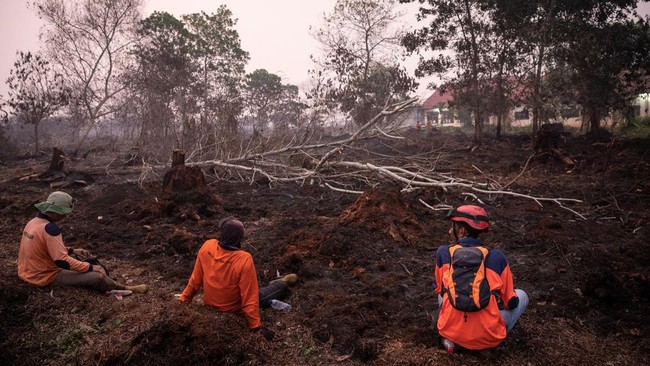
Pollution from forest and land fires, along with increasingly intense heatwaves across the globe, could destroy international efforts to improve air quality and protect human health. The United Nations weather agency has warned that the threat of climate change has made international air quality targets increasingly difficult to achieve.
Quoting Reuters on Monday (7/9/2026), the World Meteorological Organization (WMO), in its annual report on air quality and climate, affirmed that air pollution and climate change are closely interlinked and must be addressed through coordinated policies rather than separately. The WMO warned that meeting the World Health Organization’s (WHO) air quality guidelines will become increasingly difficult, as extreme forest and land fires are projected to occur more frequently in the future.
In its report, the WMO highlighted that forest fires are now a growing source of hazardous air pollution. This is occurring even as many developed countries have succeeded in reducing emissions from the industrial and transport sectors through tighter regulation.
WMO Scientific Officer Lorenzo Labrador offered his view on the destructive power of cross-border pollution.
“No matter how clean your city or region is… if you have a lot of pollution caused by forest fires, it has the potential to negatively affect air quality in that region as well,” he explained.
The report specifically highlighted the growing harmful impact of fine particulate matter (PM2.5) and ground-level ozone, which have been proven to trigger respiratory and cardiovascular diseases. The WMO also called for increased monitoring of various pollutants and aerosols, including black carbon and microplastics, which remain severely under-tracked despite their widespread presence in the atmosphere.
This year has been marked by extreme heat and destructive forest fires across Europe, including Spain, France and Greece. The WMO noted that extreme heatwaves have become more frequent, intense and longer-lasting as global temperatures rise. The latest data revealed that PM2.5 concentrations in 2025 were well above the long-term average in northern Canada, parts of Russia and west-central Africa due to a surge in fire activity, while north-western Spain became a hotspot following extraordinary fires at the end of summer.
A study cited in the report found the alarming fact that extreme fire smoke events have tripled globally since the 1990s. These disasters are estimated to have contributed to nearly 100,000 additional deaths each year between 2010 and 2018. Labrador reiterated the deadly danger that exposure to these pollutants poses to the human body.
“Particulate matter from forest fires is extremely dangerous because it is accompanied by a number of toxic chemicals. Inhaling it causes inflammation throughout the body that can trigger lung disease,” he stressed.