
UN Says Displacement Is Straining Basic Services in Yemen
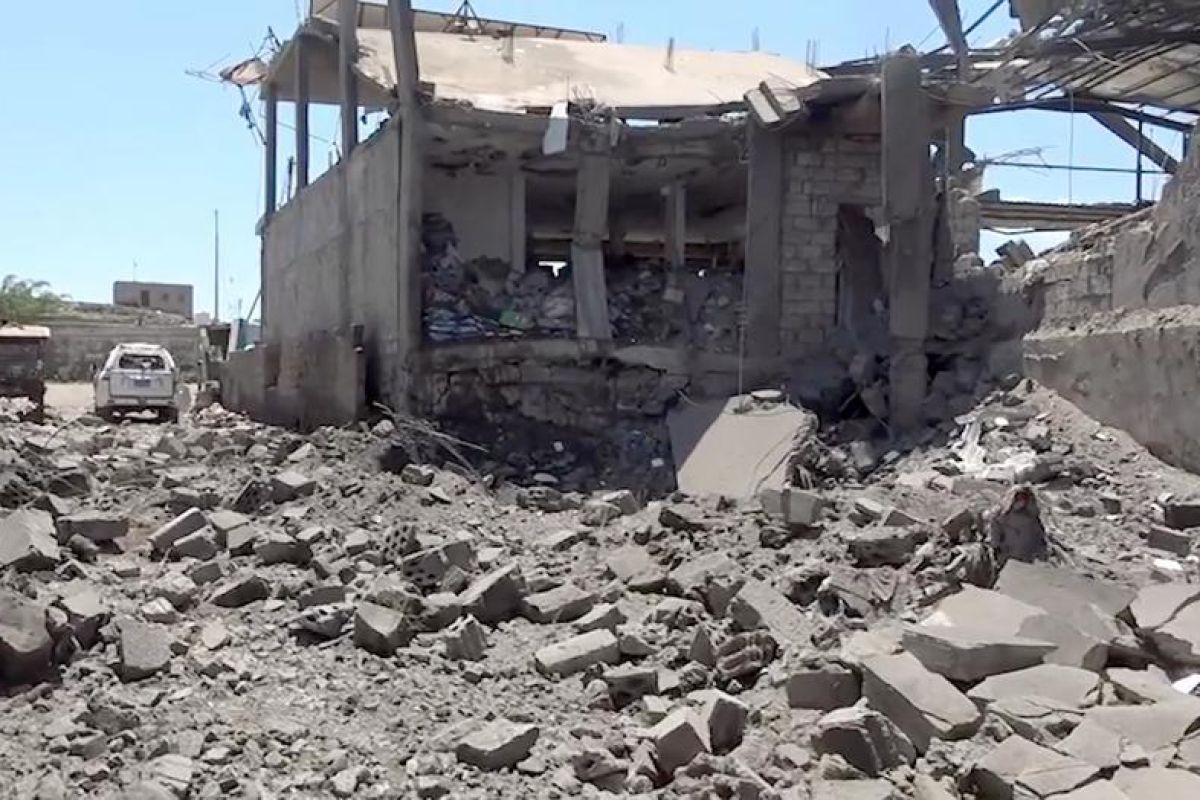
United Nations humanitarian workers warned on Tuesday (13 October) that hostilities and displacement in Yemen are placing increasing strain on basic services for civilians, who face food shortages and health risks.
“Supplies of essential goods in Taiz city are becoming scarcer and more expensive,” the UN Office for the Coordination of Humanitarian Affairs (UN OCHA) said.
“Fuel prices have tripled, while cooking gas is largely unavailable. Food prices have reportedly risen by around 50 per cent, and available supplies of wheat and flour could run out in less than three weeks,” the office said.
UN OCHA added that fuel shortages were also disrupting the city’s water supply and threatening the continued provision of water services.
It further said that families’ basic health was increasingly at risk because displacement sites were overcrowded, access to clean water was limited and health services were inadequate.
The World Health Organization (WHO) warned that suspected cholera cases in Yemen had risen sharply. Of more than 8,000 cases reported this year, a quarter were recorded in the past four weeks.
Children face a growing risk of measles, with more than 22,800 suspected cases and 128 deaths reported this year. Meanwhile, vaccination coverage remains very low.
Against this backdrop, the International Organization for Migration (IOM) reported a sharp increase in the number of migrants arriving in Yemen despite the ongoing conflict. By the end of September, more than 130,000 migrants had entered the country since the start of the year.
UN OCHA said the UN and its humanitarian partners had delivered emergency assistance to nearly 148,000 people across Yemen since fighting broke out last August.
UN OCHA reiterated the UN’s call for all parties to comply with international humanitarian law, protect civilians and civilian infrastructure, facilitate the safe movement of civilians, and allow safe, rapid and unimpeded humanitarian access to those in need.