
UN report shows uneven and inadequate progress on SDGs
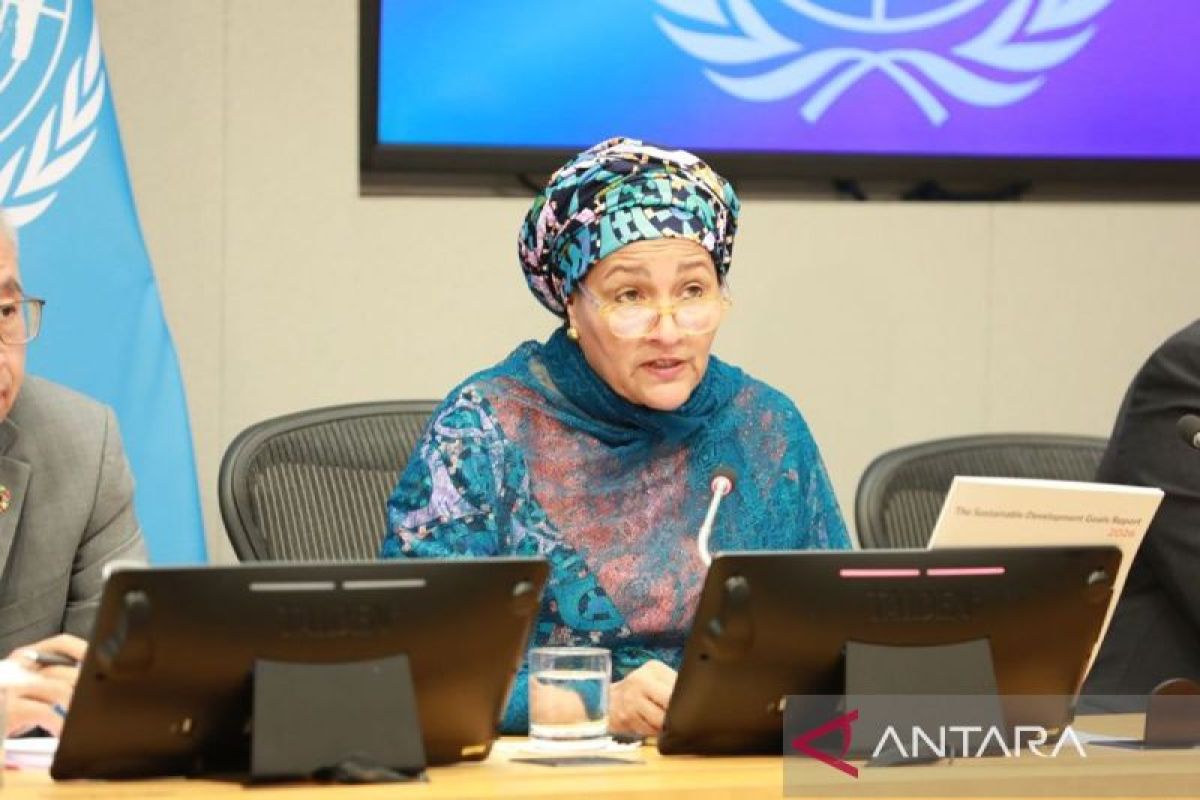
With only four years remaining, just 36 per cent of the assessable targets of the Sustainable Development Goals (SDGs) are on track, nearly half are stagnating, and 15 per cent are regressing. Since the adoption of the 2030 Agenda for Sustainable Development in 2015, sustained investment, sound policies and international cooperation have improved the lives of billions of people worldwide with measurable improvements across the SDGs, according to The Sustainable Development Goals Report 2026 released on Tuesday. Nearly 1 billion people have gained access to safely managed drinking water, and 1.2 billion people have gained access to safely managed sanitation. New HIV infections fell by 30 per cent between 2015 and 2024, and AIDS-related deaths dropped by 35 per cent. Electricity now reaches 92 per cent of the world’s population. Internet access has increased from 40 per cent to 74 per cent. Social protection covers more than half of the global population for the first time in history, the report stated. “Guided by the data in this report, our vision of the 2030 Agenda remains within reach,” UN Secretary-General Antonio Guterres said in the report. “Together, let us make the final decisive push to achieve the Sustainable Development Goals and build a healthy and prosperous future for all.” Despite the progress, significant challenges remain, the report indicated. One in ten people still lives in extreme poverty. Around 2.3 billion people face moderate or severe food insecurity. More than 150 million children still suffer from stunting. Maternal mortality rates are nearly three times the global target. The number of people affected by climate-related disasters has more than doubled since 2015, the report detailed. The escalation of conflicts, climate change, slowing economic growth, rising debt, and a decline in official development assistance to a record low are exacerbating these setbacks and disproportionately impacting the world’s most vulnerable people, the report added. At a press conference for the report’s release, UN Deputy Secretary-General Amina Mohammed said the SDGs are clear and powerful. “If backed by political will and resources, the SDGs truly deliver results,” she said, while warning of a worsening crisis in the means of implementation. Amina Mohammed called for three commitments: advancing gender equality as an enabler of every goal, accelerating the transition to renewable energy, and prioritising peace by investing in development instruments rather than ever-increasing military expenditure. “None of the major challenges we face today can be solved by countries acting alone. The evidence presented in this report makes one thing clear: the Sustainable Development Goals remain achievable if we choose to act together with greater urgency, scale, solidarity, and determination,” Mohammed said. “But that choice must be made now. It must be made in the four years remaining to make the final, decisive push to change the course we are currently on.” Li Junhua, UN Under-Secretary-General for Economic and Social Affairs, said the 2030 Agenda recognises that sustainable development is a shared endeavour, not a zero-sum game. Recent milestones, such as legal protections on the high seas or the increase in renewable energy generation capacity in developing countries, prove that ambitious and coordinated action yields results, Li said in the report. “The next four years will test our momentum. The choices we make today on financing, global cooperation, and collective crisis management will resonate for generations,” he said. “The evidence in this report proves that the goals we set in 2015 were never beyond our reach. We must now summon the resolve to finish what we started.”