
UN Names Jakarta Number One in the World, Surpassing Tokyo and Shanghai
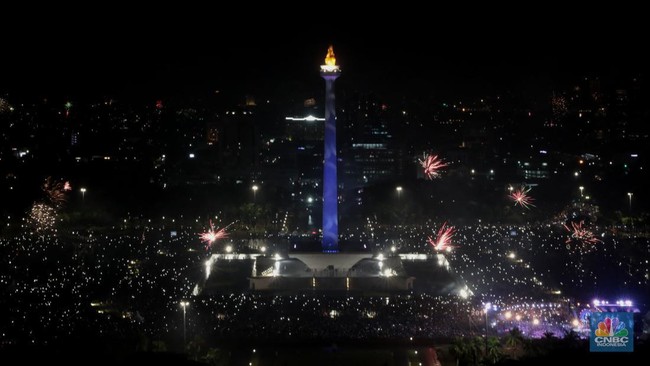
Jakarta has officially become the world’s largest city by population, according to the latest report from the United Nations (UN) in the World Urbanization Prospects 2025. The Indonesian capital has managed to surpass several of the world’s giant metropolitan areas, including Tokyo in Japan and Shanghai in China.
The UN notes that Jakarta’s population has reached approximately 42 million, making it the largest urban area in the world. This achievement brings Jakarta to the top position after previously ranking second.
Despite the Indonesian government’s ongoing development of the New Capital City (IKN) in East Kalimantan, Jakarta’s population growth continues unabated. The UN estimates that the population of the Jakarta metropolitan area will increase by approximately 10 million people over the next 25 years.
In second place is Dhaka, Bangladesh, with a population of around 36.6 million. This city has recorded very rapid population growth due to high rates of urbanisation and is expected to remain one of the world’s largest cities for decades to come.
Meanwhile, Tokyo, which held the top position for over two decades, has now dropped to third place with a population of approximately 33.4 million. A stable population and the trend of an ageing population in Japan are among the factors limiting the city’s growth.
Following closely is New Delhi, India, with about 30.2 million residents. Shanghai follows in fifth place with a population of 29.6 million, followed by Guangzhou, which has approximately 27.6 million residents.
Outside of Asia, Cairo in Egypt is the only city to appear in the top ten most densely populated cities in the world. It occupies seventh place with a population of around 25.6 million.
Manila in the Philippines ranks eighth with a population of approximately 24.7 million. The final two positions are held by Kolkata, India, and Seoul, South Korea, each with a population of around 22.5 million.
The UN explained that the rapid growth of several major Asian cities is primarily driven by ongoing urbanisation. The movement of people from rural areas to economic hubs is the main factor boosting urban populations.
In the same report, the UN also noted that the number of megacities—cities with a population exceeding 10 million—continues to rise. There are currently 33 megacities in the world, an increase of more than fourfold compared to 1975. The majority of these cities are located in Asia, confirming the region’s position as the centre of global urban growth.
The 10 most populous cities in the world are:
Jakarta, Indonesia: 42.0 million
Dhaka, Bangladesh: 36.6 million
Tokyo, Japan: 33.4 million
New Delhi, India: 30.2 million
Shanghai, China: 29.6 million
Guangzhou, China: 27.6 million
Cairo, Egypt: 25.6 million
Manila, Philippines: 24.7 million
Kolkata, India: 22.5 million
Seoul, South Korea: 22.5 million
Source: jawawa.id (https://jawawa.id/newsitem/un-names-jakarta-number-one-in-the-world-surpassing-tokyo-and-shanghai-1780816970)
Originally published by CNBC Indonesia (https://www.cnbcindonesia.com/tech/20260607122236-37-740759/pbb-sebut-jakarta-nomor-satu-di-dunia-tokyo-shanghai-lewat), translated from Indonesian