
UN Issues Emergency Warning: El Niño Set to Return, Threatening Extreme Weather
The World Meteorological Organization (WMO), under the United Nations, has issued a global-scale warning for the world to prepare for the return of the El Niño weather phenomenon. This powerful natural weather pattern is predicted to increase global temperatures and exacerbate extreme rainfall in the near future.
The WMO stated there is an 80ad80% chance of El Niño forming before September, with the probability increasing to 90% before November. Most modelling projects the strength of this sea and atmospheric anomaly cycle to be at a ‘at least moderate’ to potentially strong level. Although some scientists estimate this could be the strongest El Niño of this century, the WMO has been hesitant to support such extreme projections due to remaining uncertainties.
“The spread is large,” said Celeste Saulo, Secretary-General of the WMO. “Some models do not indicate a strong El Niño, while others do.”
Responding to the report, UN Secretary-General António Guterres urged world leaders to take immediate, concrete action. “El Niño conditions will pour fuel onto the fire of our warming world,” Guterres stated. “The impact will hit harder, move further, and cross national borders with devastating speed.”
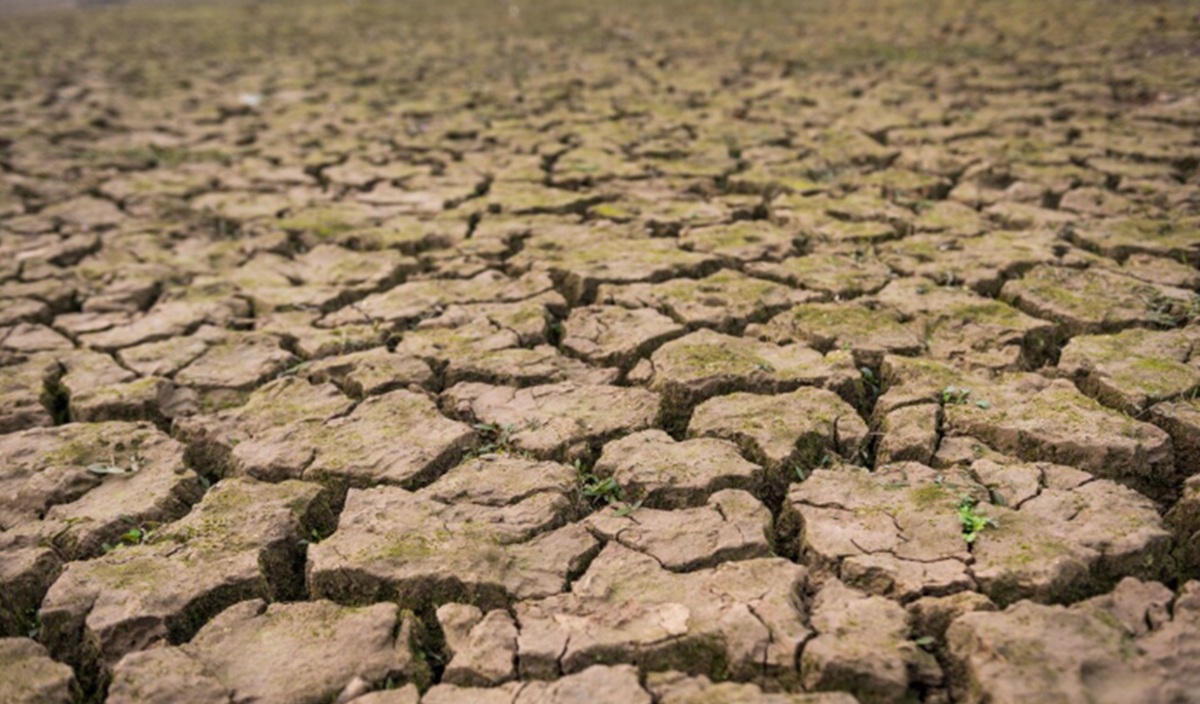
The last El Niño occurring in 2023-2024 was recorded as one of the five strongest events in history, contributing to record-breaking global temperature surges in 2024. The WMO estimates these unusual high temperatures will affect almost all parts of the planet in the next three months, triggering risks of both extreme rain and severe drought.
Generally, El Niño brings heavier rain to parts of South America, the southern US, the Horn of Africa, and Central Asia. Conversely, much drier conditions typically affect Central America, Australia, South Asia, including Indonesia.
Gareth Redmond-King from the British think tank, Energy & Climate Intelligence Unit, assessed the return of this phenomenon as bad news for the global food supply, which is currently under pressure due to the climate crisis and fertiliser restrictions resulting from the Iran war. “The chaos that El Niño will cause, as it is likely to bring the next hottest year in 2027, will be devastating for many farmers and will be a matter of life and death for too many people,” said Redmond-King.
Amidst the increasing threat of extreme weather, the implementation of early warning systems is being hindered by the policies of several major foreign donors, including the UK and the US, which are cutting their aid budgets. According to Saulo, while climate financing has not yet reached its peak, early warning systems remain a top priority that requires greater fund mobilisation for the nations in need.
As a mitigation measure, the UN Secretary-General reaffirmed the importance of climate action equal to the current crisis. “The only effective response is climate action commensurate with this crisis – ending the addiction to fossil fuels, accelerating the transition to renewable energy, protecting the most vulnerable, and providing early warning systems for all,” concluded Guterres.