
UN: Global temperatures to exceed 1.5 degrees Celsius, increasing disaster risks
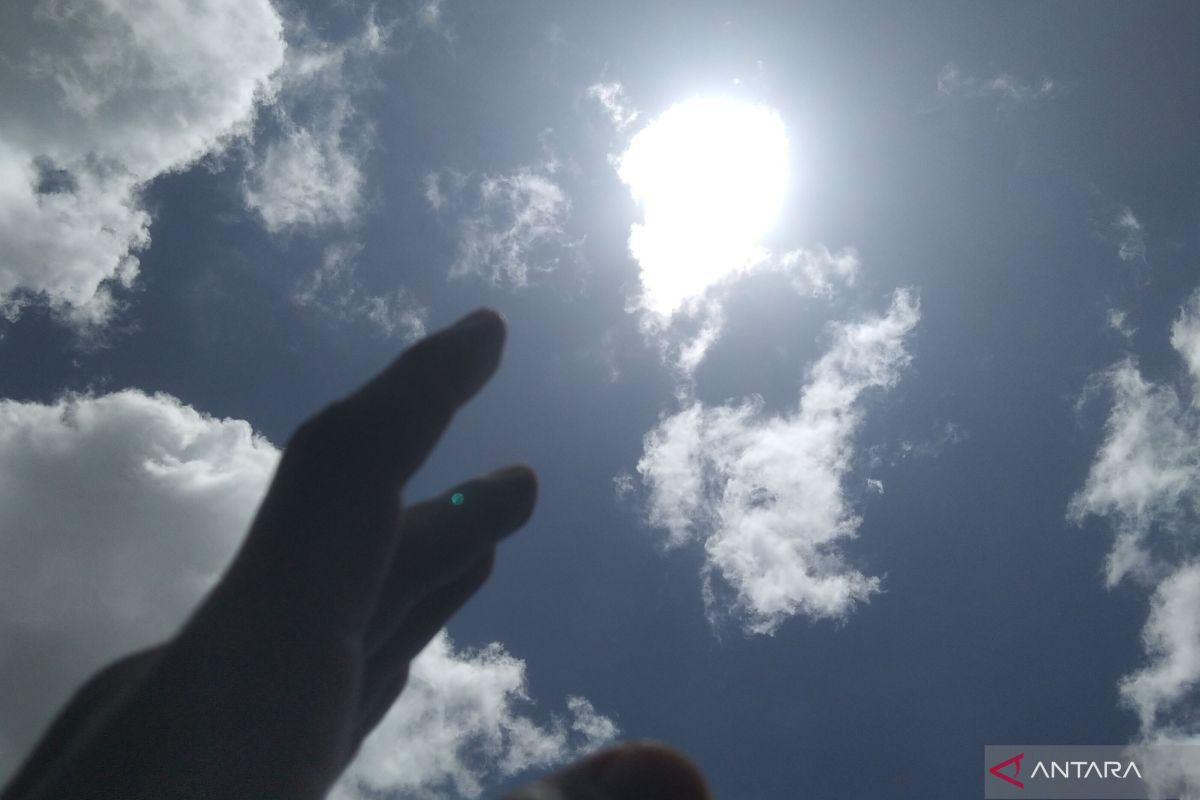
Tokyo (ANTARA) - The United Nations Environment Programme (UNEP) reported on Wednesday that global temperatures are expected to exceed 1.5 degrees Celsius above pre-industrial levels within the next few years, potentially increasing the risk of disasters and health threats.
The report emphasises that returning temperatures to 1.5 degrees Celsius or below by the end of this century is essential to mitigate the risks and impacts of climate change.
In November 2026, it will mark 10 years since approximately 190 countries and territories, including Japan, agreed upon the Paris Agreement as an international framework to limit global temperature rises to 1.5 degrees Celsius.
“Scorching heatwaves, blazing wildfires, and deadly floods this summer serve as a warning of what is to come. We must ensure that the breach of 1.5 degrees Celsius is as minimal and as brief as possible,” said UN Secretary-General António Guterres.
“The world needs the courage to push beyond the limits of our ambition,” he added.
Based on current policies, global warming is projected to reach approximately 2.6 degrees Celsius by 2100, according to the report.
Even if all participating nations meet their greenhouse gas emission reduction targets and achieve net-zero emissions by balancing emissions with sequestration through forests and other systems, temperatures are still expected to rise by about 1.8 degrees Celsius.
This temperature rise will exacerbate extreme weather, ecosystem loss, and the risk of small island nations sinking.
The impacts also include serious disruptions to human health, food security, water supplies, and infrastructure.
If global temperatures rise by 3 degrees Celsius this century, glaciers are expected to lose more than a quarter of their mass by 2100, leading to a sea-level rise of 9 to 13 centimetres.
Professor Richard Betts from the University of Exeter, who contributed to the report, stated that rising temperatures make events such as the flash floods in Nepal and China in August more likely to occur.
“However, we can prevent these conditions from becoming far worse by reducing emissions and limiting the amount of warming,” said Betates.
The report notes that to lower temperatures after exceeding 1.5 degrees Celsius, the amount of carbon dioxide absorbed or removed must exceed the amount of emissions. However, the report positions carbon dioxide removal as a supplementary measure, rather than a replacement for the primary effort to reduce emissions.