
UN: Fuel Shortages Disrupt Services in Gaza
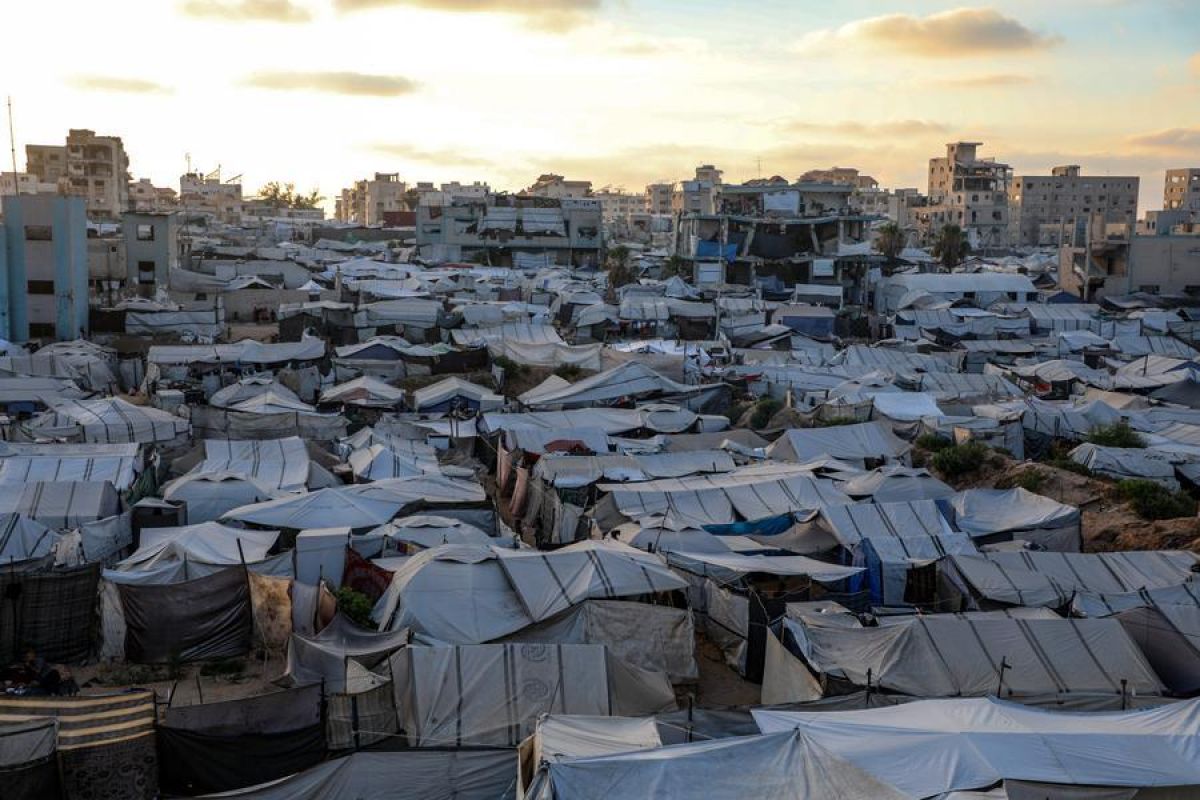
The United Nations humanitarian agency OCHA reported on Monday that airstrikes, naval fire, artillery shelling, and gunfire struck residential areas across Gaza over the weekend, while fuel shortages disrupted services. OCHA stated that security and safety partners reported these incidents across all governorates, particularly west of the so-called ‘Yellow Line’, and expressed grave concern, noting that civilians were among those killed. Kerem Shalom/Karem Abu Salem remains the sole available crossing for aid entry into Gaza, with an Israeli checkpoint established in early June no longer causing major delays for aid convoys. Over the weekend and into Monday morning, the UN collected shipments from the crossing, including food, blankets, educational supplies, recreational items for children, hygiene kits, and fuel. Partners continue to call for additional crossing points and the lifting of restrictions on hard-to-approve items. However, fuel supplies remain limited. The absence of a VAT exemption in Israel means humanitarian partners largely depend on a single Egyptian supplier that cannot always meet requirements, while Israeli authorities only permit fuel imports during restricted operating hours at the Kerem Shalom crossing. Consequently, during the second week of June, humanitarian partners in Gaza were forced to prioritise fuel allocations for life-saving services and suspend less critical ones. Even when fuel is available, generators often lack the necessary lubricating oil, with Israeli approval for such supplies also proving extremely difficult. In the West Bank, OCHA warned that violence remains at alarming levels, citing an incident on Sunday where Israeli forces shot and killed a boy and a man allegedly part of a group that burned tyres and threw Molotov cocktails towards a settlement in Hebron. The office stressed that in law enforcement contexts, lethal force should only be used as a last resort and that perpetrators of unlawful attacks must be held accountable. OCHA also highlighted ongoing obstacles hindering humanitarian access and aid delivery in the West Bank, including East Jerusalem, with partners recording 230 access incidents related to checkpoints, road closures, and other impediments between January and May, causing delays and some mission cancellations. Restrictions against UNRWA and non-governmental organisations persist in both Gaza and the West Bank, including East Jerusalem.