
UN disappointed as NPT Review Conference fails to reach final outcome
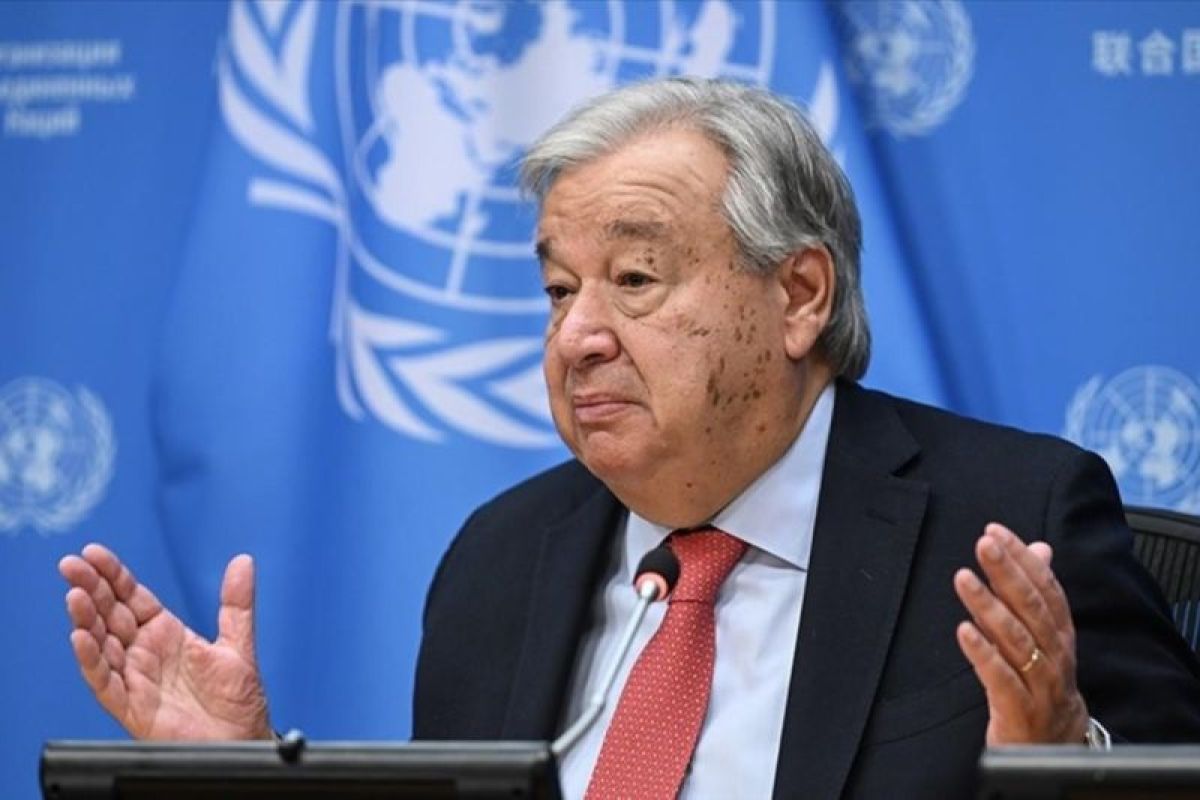
Hamilton, Canada — United Nations Secretary-General António Guterres expressed his disappointment after the major United Nations conference on preventing the spread of nuclear weapons ended without a consensus among participating states.
“The Secretary-General expressed his disappointment at the inability of the 11th Review Conference of the Parties to the Nuclear Non-Proliferation Treaty (NPT) to reach a consensus on substantive outcomes, and to seize this important opportunity to make the world safer,” spokesperson Stéphane Dujarric said in a statement.
The NPT is an international treaty designed to prevent the spread of nuclear weapons, to promote nuclear disarmament, and to support the peaceful use of nuclear energy.
Dujarric said Guterres “welcomes the sincere and meaningful engagement of the states parties,” but regrets that the conference “has not achieved the expected outcomes, particularly in the face of pressing challenges that threaten international security.”
“The current international environment, characterised by deep tensions and rising risks from nuclear weapons, calls for urgent action,” the statement read.
The statement added that the UN chief urged states “to make full use of all channels of dialogue, diplomacy, and negotiations available to reduce tensions, lower nuclear risk, and ultimately eliminate the nuclear threat.”
The statement also reaffirmed that “a world free of nuclear weapons remains the UN’s top disarmament priority,” and described the NPT as the “cornerstone of the global nuclear disarmament and non-proliferation regime.”
Guterres also thanked Do Hung Viet, president of the 11th Review Conference, for “tireless efforts and dedicated leadership” during the conference which aimed to strengthen the treaty and advance its targets.
The NPT is endorsed by 191 states; the pact divides its members into nuclear-armed states (NWS) and non-nuclear-armed states (NNWS). The officially recognised NWS are the United States, Russia, China, France, and the United Kingdom. They are obliged to disarm their nuclear weapons. NNWS comprises all other member states that are barred from developing or possessing nuclear weapons.
India, Pakistan, and Israel have never signed the NPT, while North Korea withdrew from the treaty in 2003. Indonesia, meanwhile, ratified the agreement in 1970 as a non-nuclear-weapon state.
The NPT rests on three main pillars: first, non-proliferation, whereby NNWS pledge not to develop or acquire nuclear weapons, while NWS are prohibited from assisting others to do so. Second, disarmament, whereby all parties commit to comprehensive negotiations to halt the nuclear arms race and move towards total disarmament. Third, peaceful uses, meaning all members have the right to develop and use nuclear energy and technology for peaceful purposes and welfare.
Source: Anadolu