
UN Chief Alarmed by Attacks on Civilian Infrastructure in Iran, Including Nuclear Plant
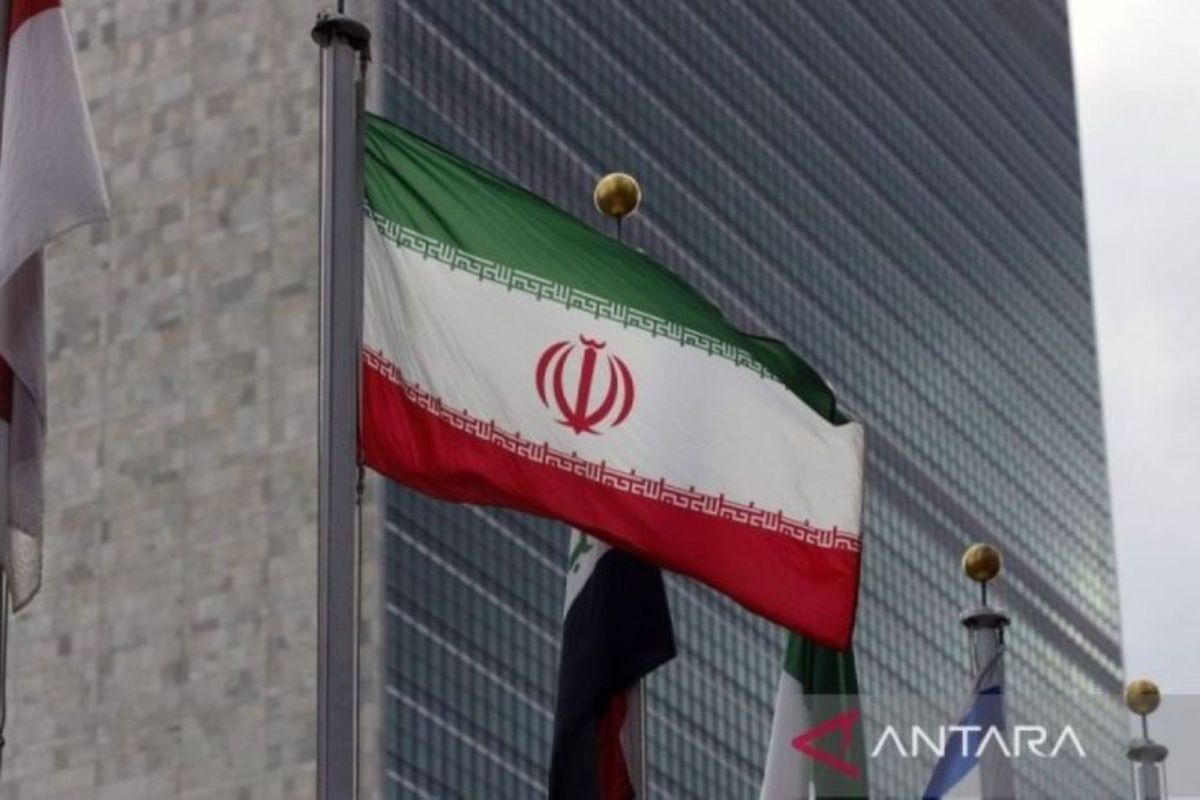
United Nations (ANTARA) — UN Secretary-General António Guterres is concerned about attacks on civilian infrastructure in Iran, including strikes on a nuclear power plant under construction, according to UN spokesperson Stephane Dujarric on Tuesday (21 July).
Earlier last weekend, media reported that the US military had attacked a nuclear power plant construction site in the city of Darkhovin, Iran.
The International Atomic Energy Agency (IAEA) said it was looking into the reports, adding that it did not believe the attack posed any radiological risk.
“The Secretary-General is deeply concerned about attacks on civilian infrastructure in Iran, including a nuclear power plant under construction and desalination installations,” Dujarric told journalists.
“Moreover, across the region, we have seen attacks on power plants and desalination facilities in Kuwait and elsewhere. Such attacks are unacceptable and must stop immediately,” he added.
The spokesperson said the escalation of conflict in the region has affected Iran, Bahrain, Jordan, Syria, Iraq, Saudi Arabia, Yemen, Qatar, Kuwait and the United Arab Emirates, placing pressure on trading systems, humanitarian access, transport costs, and the prices of fuel and basic necessities.
“The Secretary-General reiterates that there is no military solution to this conflict, and he calls for intensified diplomatic efforts to achieve a peaceful and lasting settlement,” Dujarric said.
He added that any settlement must include the full restoration of international navigation rights and freedom of navigation through the Strait of Hormuz, as well as guarantees for the protection of vital infrastructure upon which civilians depend.
On the evening of 18 June, Tehran and Washington signed a memorandum governing the end of the conflict, which had begun on 28 February. However, since 8 July, US forces have launched a series of attacks on Iran.
US Central Command (CENTCOM) claimed the strikes were in response to Iran’s actions against commercial vessels transiting the Strait of Hormuz.
Iranian forces retaliated with attacks on US bases in the Middle East.
Subsequently, on 12 July, Iran announced the closure of the Strait of Hormuz until US interference in the region ended, following a new wave of exchanges of fire between the warring parties.
The following day, US President Donald Trump declared that the United States would act as the “guardian” of the Strait of Hormuz. Trump also reinstated the US blockade of Iran’s ports.
Source: Sputnik/RIA Novosti-OANA