
UN and Partners Step Up Efforts to Reduce Health Risks in Gaza
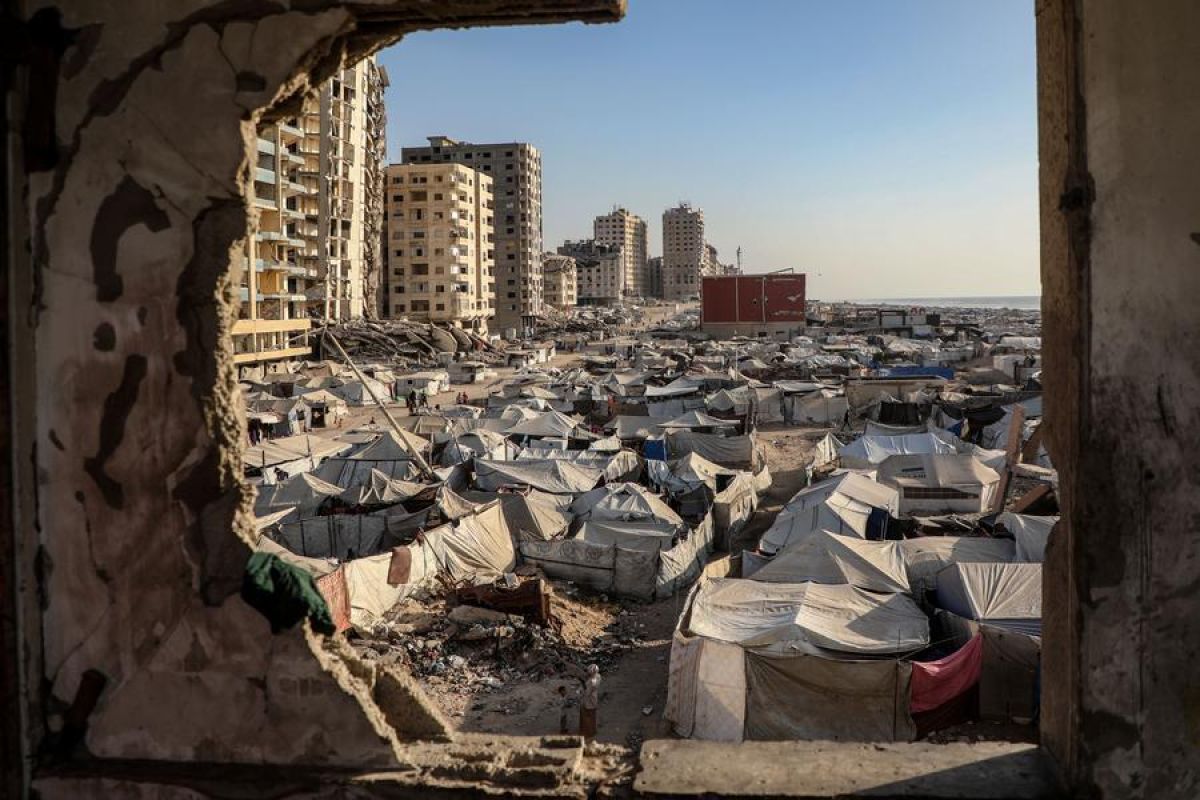
The United Nations (UN) humanitarian agency and its partners are stepping up efforts to help the residents of Gaza reduce a range of serious public health risks, including rodent infestations, according to the UN Office for the Coordination of Humanitarian Affairs (OCHA) on Wednesday (29/7).
OCHA said rodent and ectoparasite infestations were widely reported at 83 per cent of shelter sites assessed earlier this month, alongside overflowing waste in the streets, standing water, and poor sanitation conditions.
In response, humanitarian partners have intensified rodent control efforts this week. OCHA said the United Nations Development Programme (UNDP), together with other partners, is distributing nine metric tonnes of rodenticide each day, brought into Gaza by the United Arab Emirates.
“To reduce public health risks, sustained access to vital equipment and supplies such as spare parts and engine oil is urgently needed. It is also essential that partners handling solid waste in Gaza be permitted to reach final disposal sites in areas where access is restricted by Israeli forces, which cover around 65 per cent of the Gaza Strip,” OCHA said.
OCHA said access to water remains a daily challenge for families in Gaza. The UN and its partners continue to do their utmost to support hundreds of thousands of children and their families by providing access to essential water, sanitation, and hygiene services.
Farhan Haq, Deputy Spokesperson for UN Secretary-General António Guterres, said at the regular press conference on Wednesday that in Khan Younis, the UN Children’s Fund (UNICEF) is supporting the construction of a major water well expected to benefit around 7,000 people. In Gaza City, UNICEF is participating in efforts to clean up the Sheikh Ajleen wastewater treatment plant, which served some 700,000 people before being damaged in the conflict.
Haq said the UN Operational Satellite Applications Programme and its partners estimated earlier this week that around 430,000 children from kindergarten to school age, or roughly 56 per cent of the estimated student population, have enrolled in more than 600 temporary learning spaces across Gaza.
In several of these temporary learning spaces, programmes are under way to help children catch up ahead of the new school year, although nearly half of school-age children still lack adequate access to learning opportunities, he said.
Source: jawawa.id (https://jawawa.id/newsitem/un-and-partners-step-up-efforts-to-reduce-health-risks-in-gaza-1785387245)
Originally published by Antara (Indonesian) (https://www.antaranews.com/berita/5672132/pbb-dan-mitra-tingkatkan-upaya-kurangi-risiko-kesehatan-di-gaza), translated from Indonesian