
UN: 2.4 Million Refugees Will Need Resettlement by 2027
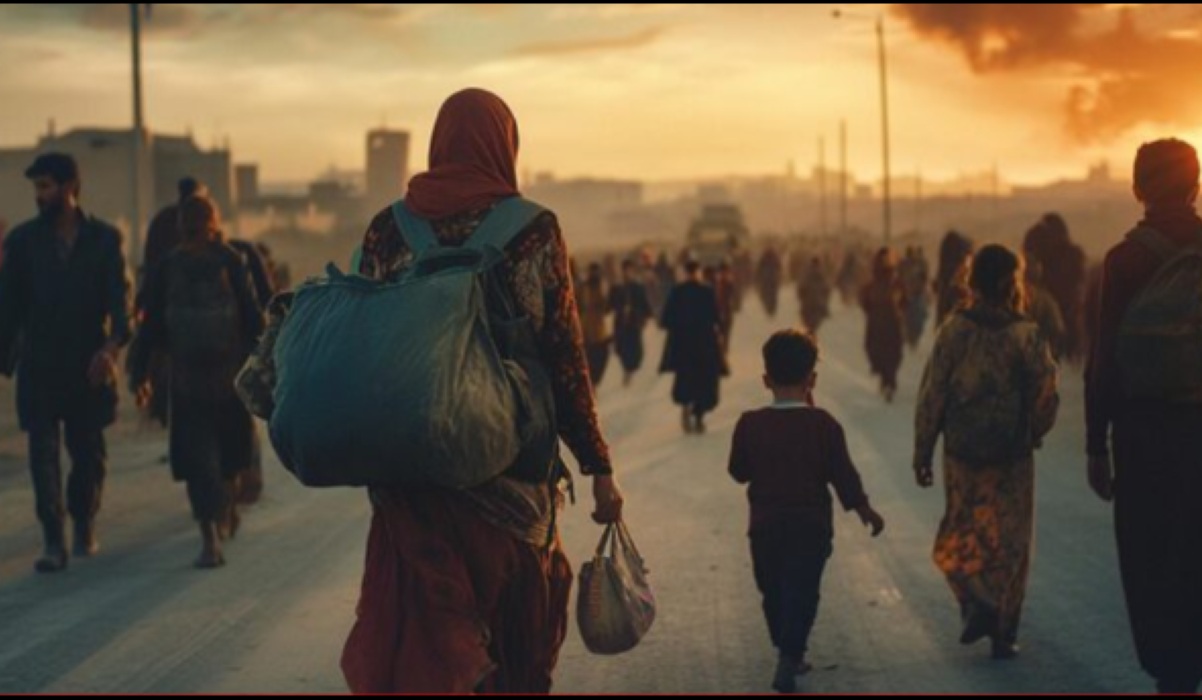
The United Nations Refugee Agency (UNHCR) has issued a stark warning about the deepening global humanitarian crisis. In its annual Projected Global Resettlement Needs report released on Tuesday (16/6), the UN stated that nearly 2.4 million refugees will require resettlement in third countries by 2027. The specific figure indicates that 2.37 million people from 43 countries of origin, currently spread across 76 asylum countries, need a permanent solution because they cannot return home and face significant risks in their current host nations.
Ironically, this urgent need arises amid a trend of donor countries cutting their refugee resettlement quotas. Jackie Keegan, Head of Field Protection Support Services and Durable Solutions at UNHCR, stressed that expanding resettlement programmes is both urgent and achievable if there is political will. “Increasing quotas, engaging more countries, and accelerating processing will ensure this life-saving tool reaches more of those in need,” Keegan told journalists in Geneva.
Data shows a sharp decline in actual resettlement numbers. In 2025, only around 37,000 refugees were successfully relocated to new countries with UNHCR assistance. This figure represents a dramatic drop compared to the 116,000 people resettled in 2024. The report identifies refugees from Afghanistan as the largest group requiring resettlement, followed by those from South Sudan, Sudan, Syria, and the Rohingya ethnic group from Myanmar, who are currently languishing in massive camps in Bangladesh.
Although the figure of 2.4 million represents a six per cent decrease compared to the previous year’s report, this decline does not fully reflect an improvement in the situation. Keegan explained that the reduction is partly due to the return of Afghan refugees from Iran and Pakistan under adverse conditions. Additionally, the fall of Syrian President Bashar al-Assad’s regime in December 2024 opened the door for voluntary returns, slightly easing the pressure on global resettlement needs. UNHCR urged the international community to recommit to refugee protection. “Recommitting to protection and solutions is more critical than ever,” Keegan concluded.