
UMY Partners with Solaris Scientific and Oncode Group to Develop Cancer Genomics Centre
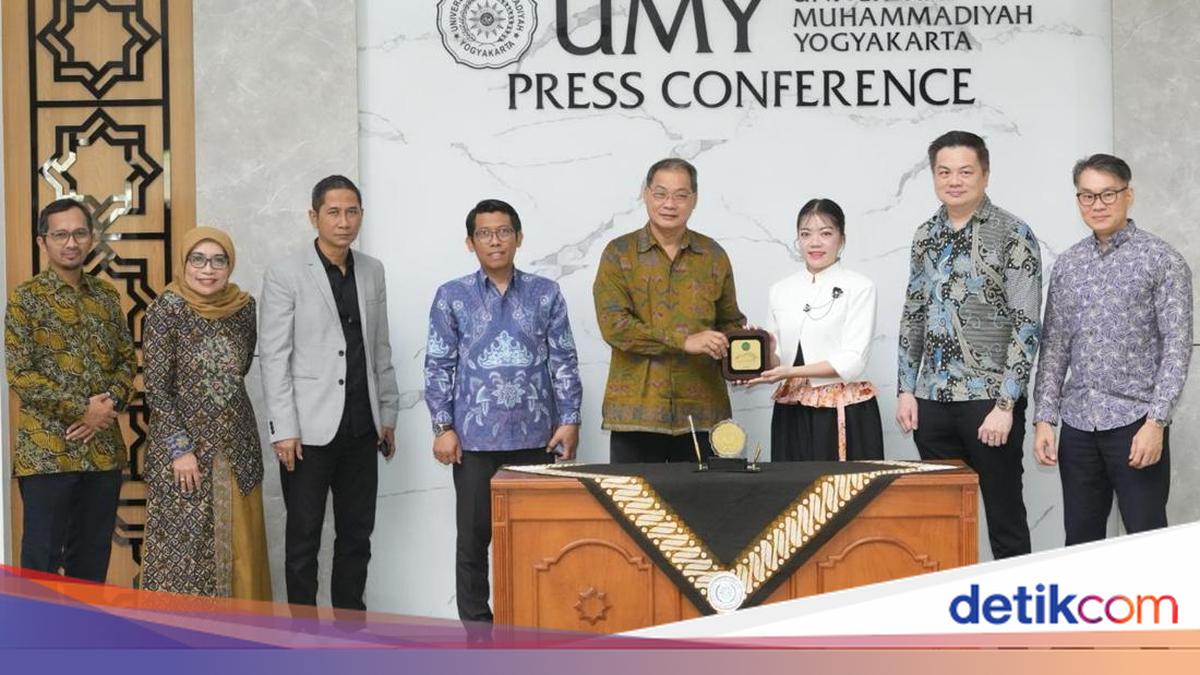
Universitas Muhammadiyah Yogyakarta (UMY) has partnered with PT Solaris Scientific Indonesia and Oncode Group to develop a genomics research and testing centre, with a particular focus on cancer. The collaboration is intended to support the mapping of cancer’s molecular characteristics as one basis for more precise treatment decisions.
The partnership was formalised through the signing of a memorandum of understanding (MoU) on the ground floor of UMY’s AR Fachruddin A Building on Thursday (29 October). The MoU was signed by UMY Rector Prof Achmad Nurmandi and PT Solaris Scientific Indonesia Chief Executive Officer Natasha Putri Sutisna.
The collaboration includes developing a Genomics & AI Center of Excellence, including the establishment of the UMY Genomic Center. The centre is planned for UMY’s Dasron Hamid Research and Innovation Center (DHRIC).
Supporting the development of precision cancer testing
UMY Vice-Rector for Research, Innovation and Downstreaming Supriyatiningsih said the partnership was a step towards strengthening research capacity and the use of genomic technology.
She said mapping DNA changes associated with cancer could help medical professionals determine treatment approaches suited to the characteristics of each patient’s disease.
“Cancer remains a major problem in Indonesia, and the number of cases continues to rise significantly each year. UMY therefore wants to develop the ability to map cancer using genomic or DNA-based methods, including targeted DNA testing and treatment. This technology has considerable potential to help people affected by cancer, particularly by supporting more appropriate treatment and improving patients’ life expectancy,” she said in a written statement on Friday (30 October 2026).
Clinically, genomic biomarker testing can help identify cancer changes relevant to treatment options. However, testing does not always find a target that can be treated with available medicines, and its benefits depend on each patient’s condition.
Preparing genomic research and testing facilities
The UMY Genomic Center is planned to be equipped with instruments from PT Solaris Scientific Indonesia and Oncode Group. The facility will be developed to support education, research, genomic sequencing and genomic testing.
UMY is also exploring opportunities for Muhammadiyah hospitals, regional general hospitals (RSUDs) and other cancer-care centres to use the facility.
Supriyatiningsih said the research would not be limited to one type of cancer. Genomic mapping is expected to provide information that can improve understanding of the characteristics of the disease.
“This mapping will cover various types of cancer, because every individual has genetic characteristics that need to be understood. In the future, cancer treatment will increasingly move towards DNA-targeted treatment. Mapping the genes associated with the development of cancer in an individual is therefore an important part of the overall treatment process,” she said.
Expanding research collaboration
Next-generation sequencing (NGS) is among the technologies to be developed through the partnership.
The facility is expected to be open to UMY researchers and researchers from other universities through joint research. The collaboration is also expected to create more opportunities for research across institutions and access to international funding.
“We hope this collaboration will contribute to the development of health technology and strengthen universities’ role in responding to society’s needs. Its benefits should extend beyond the campus and the Muhammadiyah network, reaching the wider Indonesian public,” Supriyatiningsih said.
Seeking wider access to testing
Oncode Group representative Samuel Kong Chow Wee said the group was preparing a strategy to expand access to genomic testing in Indonesia.
He said the initial target was 6,000 NGS tests, taking into account demand for cancer testing and the potential reach of Muhammadiyah’s network of hospitals and clinics.
“We see substantial demand for genomic testing in Indonesia. Through our collaboration with UMY and its hospital network, we want to widen access to more precise testing while working to make the service more affordable for patients,” Samuel said.
In addition to developing the facility, the partnership will focus on training in genomic technology, curriculum development and collaborative cancer research. The work is expected to strengthen academic capacity and support the development of evidence-based healthcare services.