
UMY Lecturer: Indonesia Must Strengthen Preparedness Against Ebola Threat
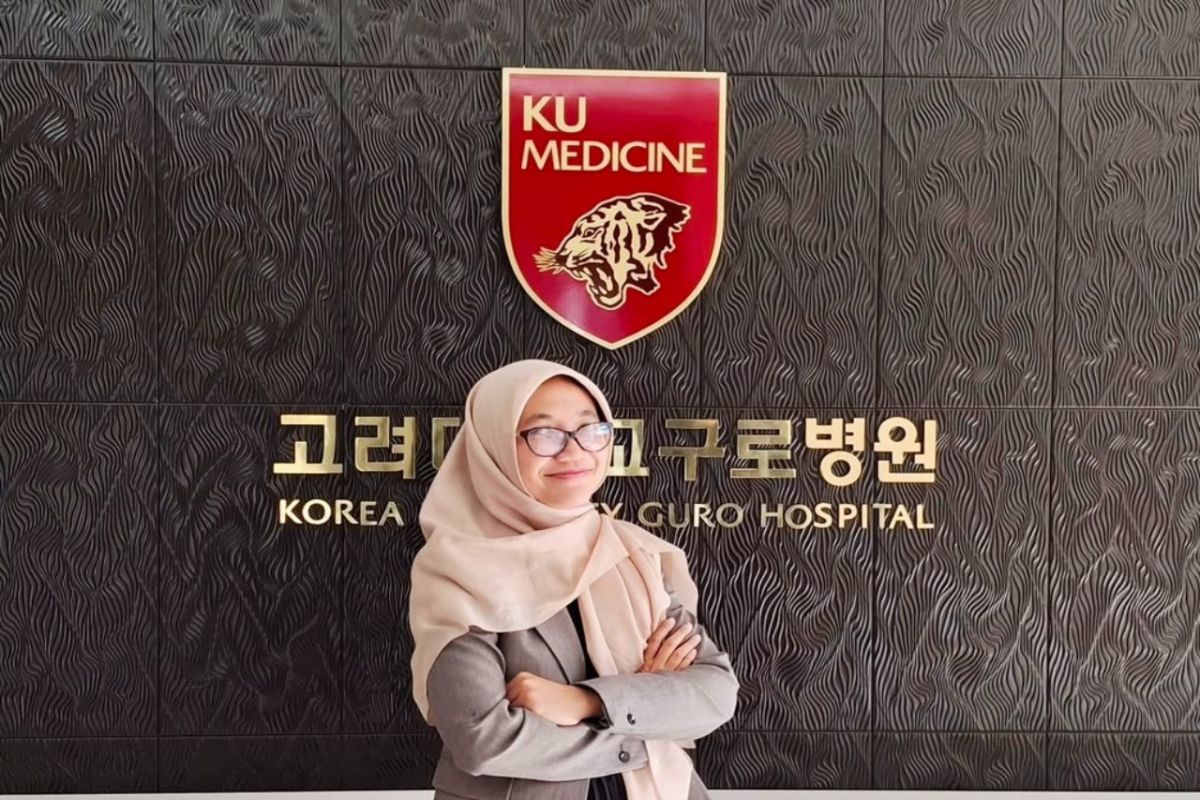
A lecturer from the Faculty of Medicine and Health Sciences at Muhammadiyah University of Yogyakarta, Farindira Vesti Rahmasari, has reminded Indonesia to strengthen its vigilance against the threat of Ebola spreading, following the World Health Organisation’s declaration of a Public Health Emergency of International Concern (PHEIC). The declaration of the global health emergency status responds to a surge in Ebola cases in the Democratic Republic of the Congo, which reached 1,118 cases with more than 291 fatalities as of Wednesday (24/6). “Ebola transmission occurs through direct contact with the blood, bodily fluids, or corpses of infected sufferers. When a disease is assessed as having a risk of spreading across countries, it becomes a signal that the world needs to increase its vigilance,” Farindira said. She explained that the PHEIC status serves as a warning for every country to optimise its early detection, reporting, and public health response systems. Given that Indonesia is an archipelagic nation with many international entry points, surveillance at airports, seaports, and border crossings is considered highly crucial. Farindira recommended that the government strengthen surveillance of travellers from affected areas, as well as enhance the readiness of health workers and referral procedures. Furthermore, adequate laboratory support is essential so that a response can be carried out as early as possible if a suspected case is found. According to her, national health resilience does not rely solely on medical aspects, but also on surveillance systems, quarantine measures, laboratory capacity, protection of health workers, and effective public communication. “Preparedness in facing an outbreak is not just about transmission methods or treatment. What is more important is whether the health system is capable of recognising danger signs early, conducting tracing, providing adequate facilities, and ensuring that cross-sector coordination runs well,” she said. She urged the public to remain calm and not panic in facing the global situation. The public is asked to prioritise health literacy and adhere to official information from health authorities. “The global health emergency status from the WHO must be understood as a signal to strengthen vigilance, not to create fear. What is needed is measured preparedness,” she said.