
UMY Expert: Free Nutritious Meal Programme Needs Upstream Food Sector Reform
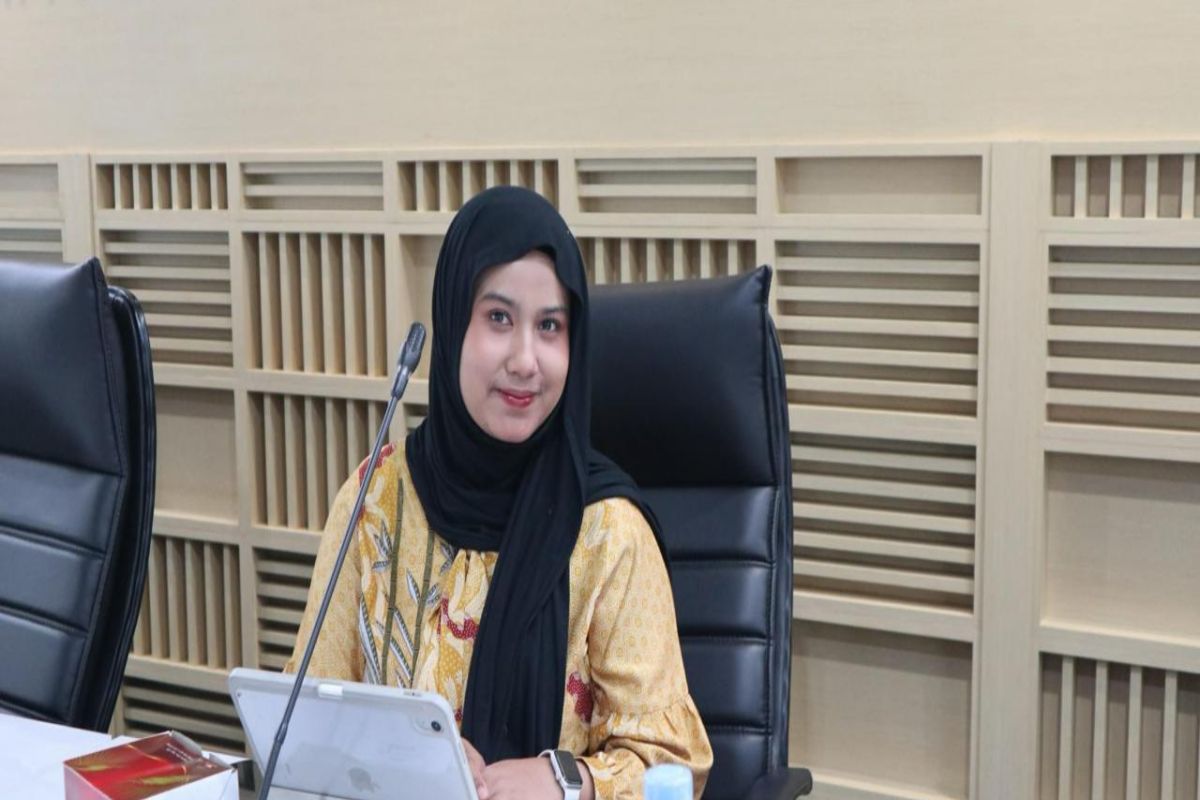
Yogyakarta (ANTARA) - Dinda Aslam Nurul Hida, a lecturer in Agribusiness at Universitas Muhammadiyah Yogyakarta (UMY), has emphasised the importance of reforming the upstream agricultural sector to ensure the sustainability of the Free Nutritious Meals (MBG) programme, so that it does not merely focus on downstream distribution.
Speaking in Yogyakarta on Friday, Dinda said the challenges facing national food security are complex, ranging from unpreparedness in production across commodities, farmers’ weak bargaining position, to cash flow constraints faced by local food businesses partnering with the programme.
She noted that the Farmer Exchange Rate (NTP) for the livestock subsector fell 1.85 per cent in June 2026 due to imported feed input costs rising faster than selling prices. A similar situation has occurred with rice, where prices at the farm level have exceeded the government’s assumptions, driving high retail prices.
Dinda suggested the government use the momentum of increased food demand generated by the MBG programme to consolidate smallholder farmers into institutions such as cooperatives, farmer groups, or Village-Owned Enterprises (BUMDes).
“With stronger institutions, supply contracts with Nutritional Fulfilment Service Units (SPPG) can be carried out through forward contract schemes. Without this, the increase in demand will only be enjoyed by intermediary traders, not the farmers as primary producers,” she said.
Beyond production issues, she highlighted liquidity obstacles faced by food SMEs under government procurement schemes. Many businesses struggle with pre-financing because of long gaps before payments are disbursed.
Dinda recommended three strategic steps to strengthen the programme’s sustainability: aligning regulations on benchmark rice prices with actual market prices, integrating spatial data between the 25,082 SPPG units and mapping of regional commodity potential, and increasing investment in upstream sector infrastructure such as cold storage.
“The programme’s success downstream must not be achieved at the expense of the welfare of agricultural economic actors upstream. Strengthening the upstream sector is the key prerequisite for the programme’s benefits to be sustained as an investment in the quality of Indonesia’s human resources,” she said.