
Umrah Complaints Reach 189 Cases, Here Are the Modus Operandi
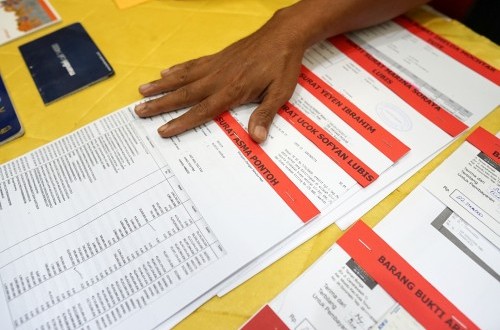
The Director of Special Hajj and Umps Supervision at the Ministry of Hajj and Umrah (Kemenhaju), Ahmad Abdullah, stated that the department is directing supervision efforts to protect pilgrims’ rights, prevent irregularities, ensure the compliance of Umrah Travel Organisers (PPIU), maintain service quality, and address emerging issues.
He revealed that as of September 2026, approximately 189 complaints are currently being handled. Of this total, about 74 relate to special hajj, while 93 complaints pertain to both hajj and umrah.
Abdullah noted that the identified methods of misconduct include fraud and embezzlement. While some cases can be mediated between pilgrims and the PPIU, cases that fail to reach a resolution are referred to law enforcement agencies.
“Those that we cannot handle are handed directly to the Criminal Investigation Agency (Bareskrim) of the Indonesian National Police. There are approximately 64 such cases where no middle ground could be found between the pilgrims, for both umrah and special hajj, and the PPIU,” he said during a media briefing themed ‘Portrait of Indonesian Umrah Today: Challenges, Improvements, and Pilgrim Protection’ at the Ministry of Hajj and Umrah office in Jakarta, Tuesday (29/9/2026).
Kemenhaju is also conducting direct 24-hour supervision at airports. This monitoring is carried out in three shifts to ensure that pilgrims are only departed by PPIUs that hold valid permits.
According to Abdullah, an average of 125 to 150 PPIUs depart with umrah pilgrims every day. Supervision is not limited to Soekarno-Hatta, but also extends to several other departure points such as Surabaya, Makassar, Denpasar, Lombok, Balikpapan, Banjarmasin, Medan, and Aceh.
Kemenhaju is also monitoring pilgrim departures via sea routes from Batam to Singapore before they continue their flights to the Holy Land.
“Therefore, there are many areas where our services cannot yet be maximised, considering our human resources and infrastructure are very limited,” said Abdullah.
Moving forward, Kemenhaju is preparing more comprehensive coaching for PPIUs. The training material will cover not only policy but also administrative management, finance, religious rituals (manasik), and reporting.
This step is considered vital as poor financial management can directly impact the departure of pilgrims. Kemenhaju has also proposed strengthening the umrah technical team in Saudi Arabia to enable better supervision and service delivery when issues arise in Makkah, Madinah, or Jeddah.
Additionally, Kemenhaju is working on developing a system or application that would allow the public to obtain more transparent information regarding the financial condition of organisers. This system is expected to strengthen transaction security and enhance the protection of umrah pilgrims.