
UMKM Mentoring Programme Boosts Participants' Turnover by Up to 100 Percent
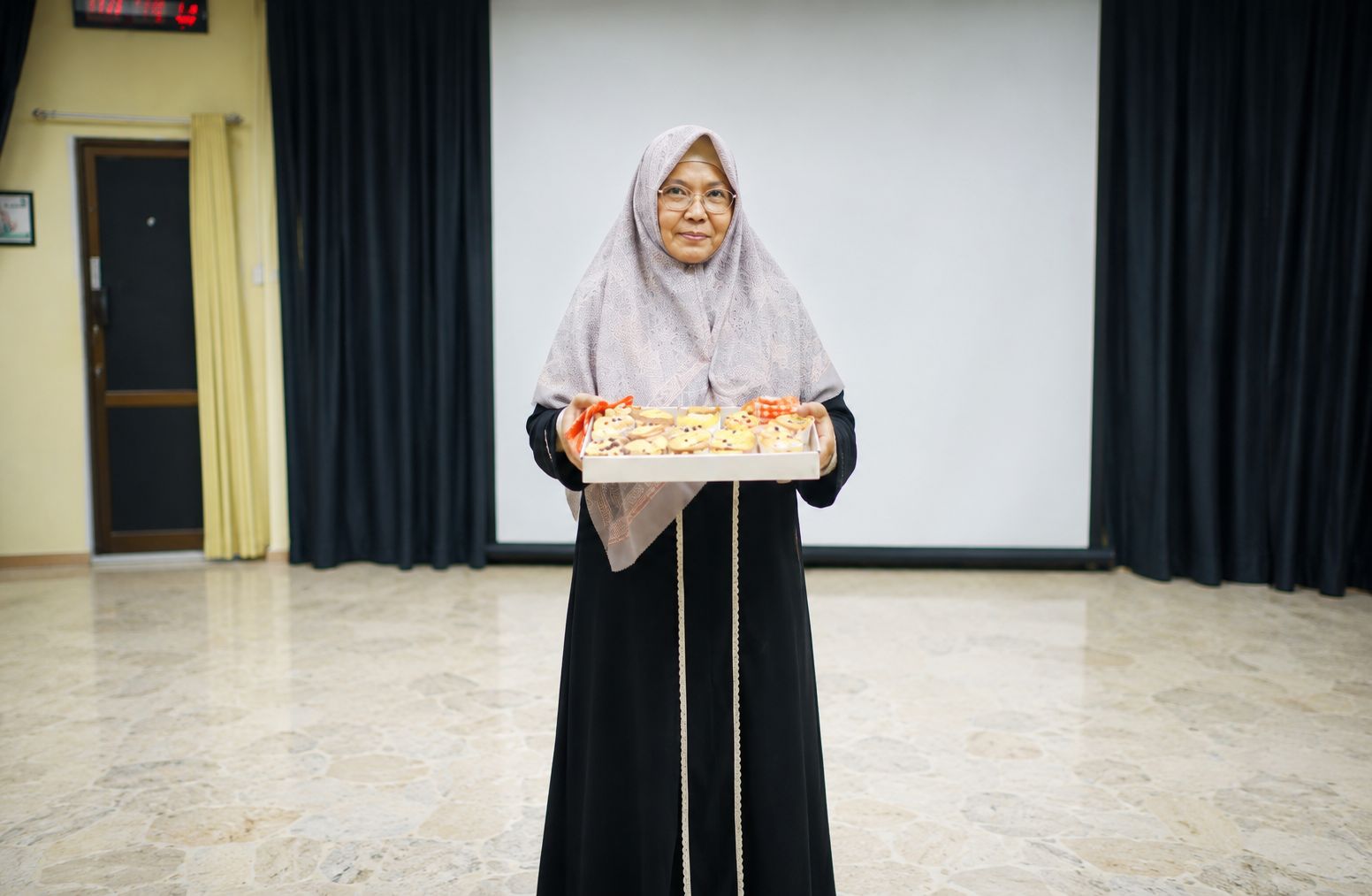
The GemaWira UMKM incubation programme, organised by the Indonesia Setara Foundation (YIS) over three months, has demonstrated tangible results. Three of the programme’s top participants successfully increased their turnover after applying various training materials, ranging from business model development, financial management, and digital marketing, to business legality and the use of artificial intelligence (AI) for business development.
Founder of Yayasan Indonesia Setara, Sandiaga Uno, stated that the incubation programme was designed not merely to provide training, but to build the capacity of UMKM players so they can develop their businesses sustainably. “We want UMKM players not just to survive, but to scale up. Intensive mentoring must be able to change the mindset of business owners, strengthen business governance, utilise digital technology, and open access to markets and financing. When the capacity of business players increases, their turnover and competitiveness will also grow,” Sandiaga said in a written statement received on Thursday.
The most significant increase was recorded by Nain Toe Sik Catering, owned by Dwi Komalasari. The catering business, which started in 2018, managed to double its monthly turnover from around Rp10 million to Rp20 million after participating in the incubation programme. Dwi said that before the mentoring, she ran the business based on experience without having a structured business plan. Business development instruments such as the Business Model Canvas (BMC), business audits, growth planning, and the use of AI for promotion were unfamiliar to her. During the incubation, she received mentoring on business model development, SOP preparation, the application of Kaizen principles in the production process, business legality, financial recording, business audits, and the use of ChatGPT and AI technology to create promotional materials.
“The knowledge I gained did not stop at theory, but I immediately applied it in my business. Operations became more organised, I am more confident in making decisions, bolder in innovating, and Alhamdulillah, business turnover continues to increase,” said Dwi.
Similar success was achieved by ByNiNe, a culinary business owned by Vemmy Magdaliena, which increased its turnover from Rp6 million to Rp10 million per month. Vemmy admitted that before the incubation, her business was managed conventionally. Financial records were kept manually, digital marketing strategies were not optimal, and understanding of business legality and access to financing was still limited. Through the mentoring, she became able to develop a Business Model Canvas, improve business operations, implement digital financial recording, utilise digital marketing to expand the market, and conduct business evaluations more systematically. “This programme not only provided knowledge but also increased my confidence as an UMKM player to develop a more professional, structured, and sustainable business,” she said.
Meanwhile, Indah Purnamasari, owner of Ninu Culinary, also recorded an increase in turnover from Rp7 million to Rp9 million after participating in the incubation programme. The culinary business owner, who started her business in 2016, admitted that she previously lacked a long-term business vision, her financial records were disorganised, and product innovation was limited. The mentoring she received encouraged changes in how she managed the business, from developing product development strategies and building a neater financial recording system, to opening up to innovation and collaboration with other UMKM players.
Over three months, participants received training on business model development, productivity improvement, standard operating procedure preparation, digital marketing, business legality, business audits, access to financing, and the use of digital technology and artificial intelligence to support business development. The success of the three top participants is evidence that structured mentoring can increase the capacity of UMKM players while encouraging sustainable turnover growth and competitiveness.