
UMJ Professor: Fix and Prioritise Free Nutritious Meals for Vulnerable Groups
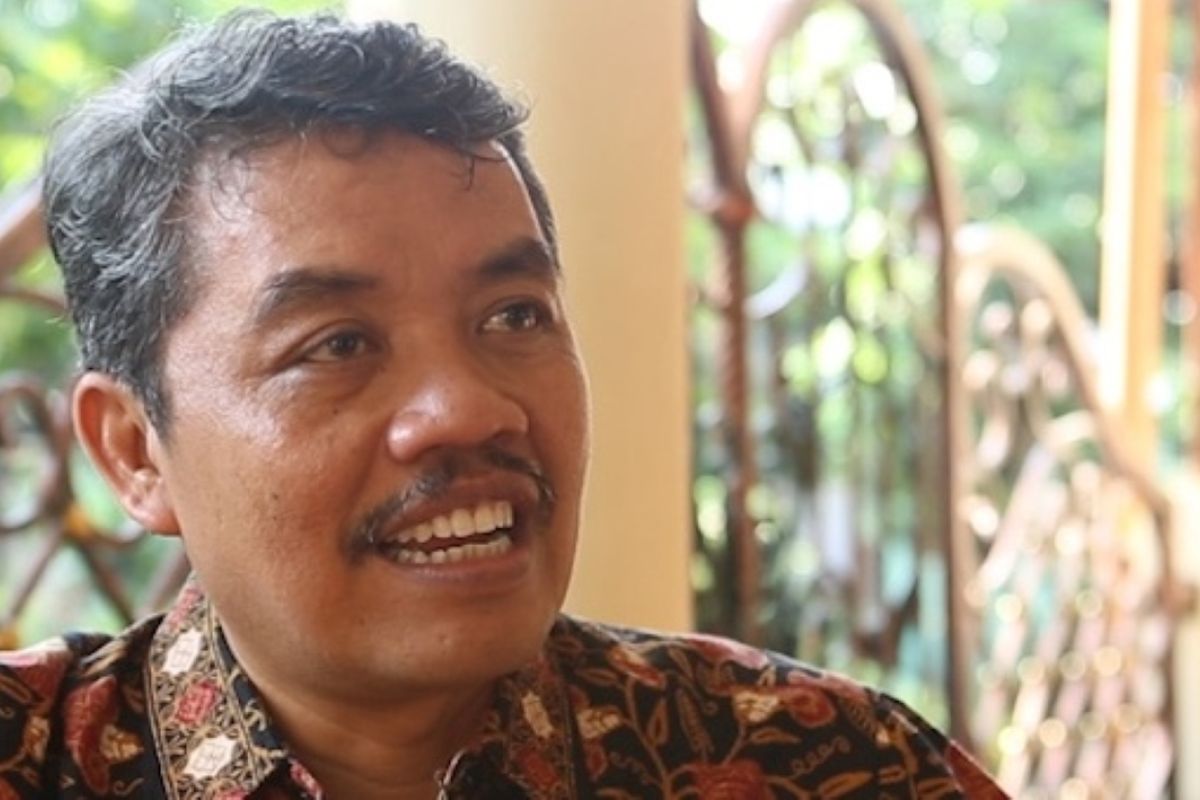
Jakarta (ANTARA) - Professor Sri Yunanto, a Professor of Political Science at the Faculty of Social and Political Sciences, Universitas Muhammadiyah Jakarta (UMJ), believes that the Free Nutritious Meal (MBG) programme is relevant to human resource development, but must be improved to regain public confidence.
Speaking in Jakarta on Thursday, Sri Yunanto stated that the MBG programme cannot be separated from a broader human development agenda, which includes free healthcare services, school improvements, the development of ‘Sekolah Rakyat’, and the establishment of flagship schools such as ‘Sekade Garuda’.
However, he noted that the implementation of the MBG faces serious challenges, particularly regarding governance. Various issues circulating in society—ranging from allegations of budget cuts and non-standard procedures to legal cases involving officials within the National Nutrition Agency (BGN)—are seen as potential threats to the programme’s grand objectives.
According to him, the government must take decisive steps to cleanse the implementation of this national priority programme from corruption and other irregularities, ensuring that a good idea is not ruined by poor implementation.
“What must be rectified now is governance and supervision,” he said.
He added that law enforcement must go hand-in-hand with systemic management improvements so that the public can trust the programme again. He believes the government needs to appoint competent figures with high integrity to lead the programme’s execution, ensuring that field-level issues can be addressed promptly.
A total cessation of the programme is not the right option. However, he noted that the current fiscal pressures must be considered when determining the target beneficiaries.
He suggested that the government could find a middle ground by refocusing or sharpening the target beneficiaries to those truly in need, such as the poor, residents of underdeveloped, frontier, and outermost (3T) regions, pregnant women, and other vulnerable groups.
This approach could preserve the programme’s primary objectives while reducing the burden on the state budget amidst fiscal constraints. In addition to improving governance and refining targets, he emphasised the importance of a thorough evaluation of the impact of the MBG programme, which has been running since 2024.
He stated that the government must be able to demonstrate transparently whether the programme has successfully improved the nutritional status of the population, reduced stunting, created jobs, and stimulated the MSME sector.
“What is needed now is evidence. Has nutritional status improved, have jobs increased, and are MSMEs growing? All of this must be measured objectively,” he said.
He recommended that evaluations be conducted by independent institutions involving academics, nutritionists, economists, and other relevant parties to ensure the results are trustworthy to the public.
He continued that the results of such evaluations should be published transparently as a form of government accountability and to address various growing criticisms.
He expressed appreciation for the government’s decision to temporarily suspend MBG distribution during school holidays. In his view, this policy demonstrates that the government is willing to respond to fiscal conditions and various public inputs.
Furthermore, he encouraged the National Nutrition Agency (BGN) to open wider avenues for collaboration with universities and experts to conduct periodic evaluations and oversight of the programme.
He concluded that an open approach would help increase public trust and ensure that the use of the state budget produces measurable benefits.