
UMJ Expert Highlights Early Childhood Protection in the Digital Space
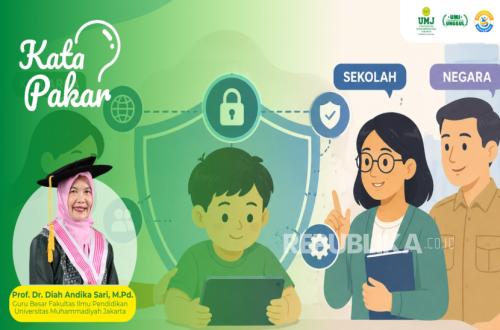
A professor from Universitas Muhammadiyah Jakarta (UMJ), Prof Dr Diah Andika Sari, M.Pd, has emphasised that protecting early childhood in the digital space requires collaboration between families, schools, and the state. She described the digital space as a ‘double-edged sword’ that offers learning opportunities but also exposes children to age-inappropriate content, manipulative advertising, and harmful digital interactions. ‘What we need is not to ban children from knowing technology, but to build a safety fence that protects them. This fence consists of child-friendly regulations, safe technology, and consistent guidance from parents and teachers,’ she said on Thursday. Diah highlighted that technological development has far outpaced the readiness of parents, teachers, and regulations to provide adequate protection. She stressed the importance of strengthening digital parenting programmes to equip parents with the knowledge and skills to guide their children’s technology use healthily. The professor also warned of a ‘digital domino effect’ on child development. She noted that excessive screen time reduces physical activity, which is crucial for motor coordination, balance, and muscle strength. Furthermore, it limits opportunities for social interaction, hindering language development, communication skills, and empathy. Diah argued that the role of the family is paramount as the first school for children, where they learn from the example set by their parents. Schools reinforce this by providing age-appropriate digital literacy education, while the government must deliver child-friendly regulations and a safe digital ecosystem. She concluded that technology should serve as a catalyst for learning, not replace the real-world experiences of playing, moving, and interacting that are fundamental to a child’s right to development.