
UMI researchers turn agricultural waste into liquid smoke and charcoal
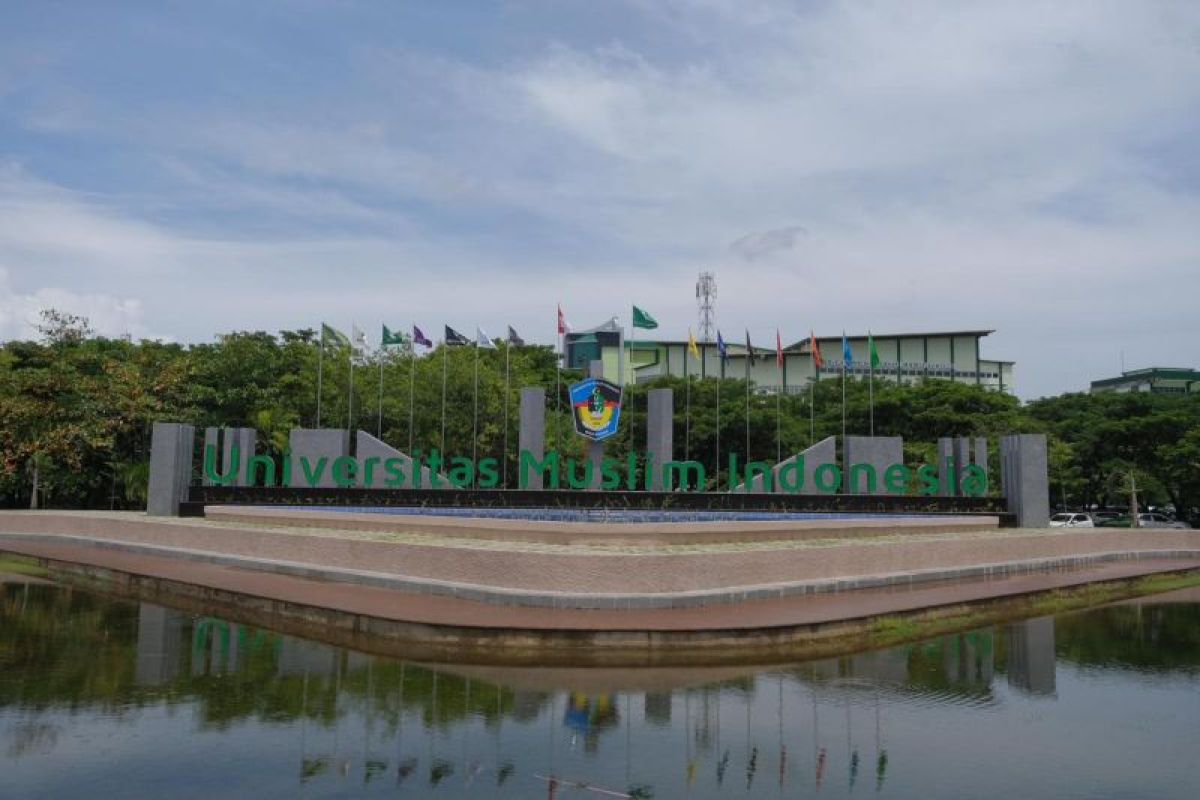
A research team from Universitas Muslim Indonesia (UMI) has converted biomass waste from agricultural and plantation activities into charcoal and liquid smoke simultaneously using pyrolysis technology.
Professor Andi Aladin of UMI’s Faculty of Industrial Technology said pyrolysis is a process of decomposing biomass through heating under limited oxygen conditions. The technology allows materials previously considered waste—such as shells, skins, corn cobs and plant residues containing carbon—to be converted into solid and liquid products with practical value.
“The main idea is how a single processing method can produce more than one useful product,” he said regarding the innovation funded by the Directorate of Downstream Research and Partnership (DHK) and the Ministry of Higher Education, Science and Technology (Kemendiktisaintek).
The energy and environment expert explained that the team developed a three-layer simultaneous pyrolysis reactor made of stainless steel. The charcoal produced has a calorific value of around 6,000–7,000 kcal per kilogram. With these characteristics, the charcoal has potential for use as an energy source or as a raw material for making briquettes.
Beyond energy applications, the charcoal also has potential as a bioadsorbent in liquid waste treatment. The research team is also examining its potential as a filtering and clarifying material for food products such as virgin coconut oil (VCO).
Meanwhile, liquid smoke is the result of vapour condensation from the pyrolysis process. This product has potential applications including supporting the agricultural sector and being developed as a more environmentally friendly biopesticide.
One of the main concerns of the research is energy efficiency, as the pyrolysis process requires relatively high temperatures for biomass to decompose optimally. “Interestingly, the insulator chamber is also designed to assist in the initial drying of biomass before it enters the pyrolysis stage,” he said.
In the technical design, the reactor operates at a temperature range of around 300–500 degrees Celsius, with an average pyrolysis time of about 2.5 hours. A condensation system then captures the vapour from the process to produce liquid smoke.
From prototype development data, the potential yield is around 37 percent charcoal and 42 percent liquid smoke. These figures form part of the evaluation of the prototype’s performance and effectiveness.
However, the research does not stop at successfully producing the products. The prototype is also being directed towards more comprehensive testing, covering temperature stability, performance under various operating conditions, energy efficiency, operator safety, and consistency in the quality of the charcoal and liquid smoke.
“New technology is not enough if it only succeeds in a single trial. What matters is how the technology can operate stably, safely and consistently when used repeatedly,” he explained.
Source: jawawa.id (https://jawawa.id/newsitem/umi-researchers-turn-agricultural-waste-into-liquid-smoke-and-charcoal-1787835326)
Originally published by Antara (Indonesian) (https://www.antaranews.com/berita/5714049/peneliti-umi-ubah-limbah-pertanian-jadi-asap-cair-dan-charcoal), translated from Indonesian