
Umayyad Dynasty Coins in Tapanuli: The Story of the Caliph's Tawhid Doctrine Against Byzantium
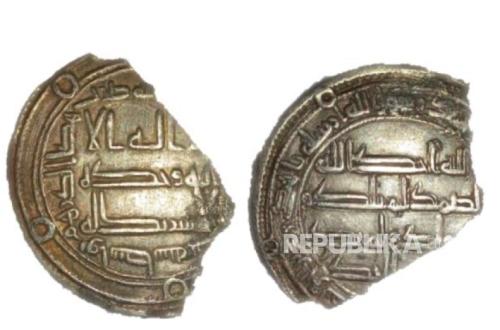
The discovery of ancient coins from the Umayyad and Abbasid dynasties at the Bongal site in Central Tapanuli reveals the extensive spread of Islam following the end of the prophetic era. Archaeological excavations at the Bongal site, located in Jagojago Village, Badiri District, Central Tapanuli Regency, North Sumatra, have succeeded in uncovering concrete evidence of international maritime trade relations between the archipelago and the Islamic world in the 8th to 9th centuries CE. The finds date not only from the Abbasid period but also from the earlier Umayyad dynasty.
In a scientific article titled ‘The Contribution of Umayyad Coins Found at the Bongal Site to the Historiography of Islam in North Sumatra,’ published in the Historical Studies Journal Yupa, Volume 6, Ning Arrumdani, Hasan Asari, and Nabila Yasmin explain that the dinar and dirham continued to be used as instruments of exchange by Arab society after the arrival of Islam. This is consistent with the Prophet Muhammad’s guidance on the use of the dinar and dirham as lawful means of transaction. During the era of the Rightly Guided Caliphs, specifically under the rule of Umar bin Khattab, Islamic symbols were introduced onto the dinar and dirham used among the Arabs.
In the year 18 AH, Islamic phrases began to be incorporated into the currency, such as bismillah, Alhamdulillah, bismirobbika, and Muhammadurrasulullah. This illustrates that Islam had begun to develop and possessed integrity. The use of the dinar and dirham continued into the Umayyad Caliphate. During the early period of Umayyad rule under Caliph Muawiyah bin Abu Sofyan, coin minting still followed the Sasanid dynasty pattern, incorporating only a few Islamic words.
The first fully Islamic coinage was produced by the fifth Umayyad Caliph, Abdul Malik bin Marwan, who reigned from 685 to 701 CE. The first Umayyad gold coin was minted in 691 CE, bearing the image of the Caliph and the shahada inscribed around the edge of the coin. This sparked a dispute between Caliph Abdul Malik bin Marwan and the Byzantine Emperor. The Umayyad coins created by Abdul Malik bin Marwan emphasised the oneness of God in opposition to the Christian doctrine of the Trinity. In response, Byzantine Emperor Justinian II answered the coins minted by Abdul Malik bin Marwan by depicting the head of Christ on the obverse of his coins and an image of himself holding a cross on the reverse.
Source: jawawa.id (https://jawawa.id/newsitem/umayyad-dynasty-coins-in-tapanuli-the-story-of-the-caliphs-tawhid-doctrine-against-byzantium-1787122369)
Originally published by Republika (https://khazanah.republika.co.id/berita/tk05p7483/jejak-koin-dinasti-umayyah-di-tapanuli-ada-kisah-doktrin-tauhid-khalifah-melawan-bizantium), translated from Indonesian