
Ukraine Targets Russian Oil and Wheat Exports in the Black Sea
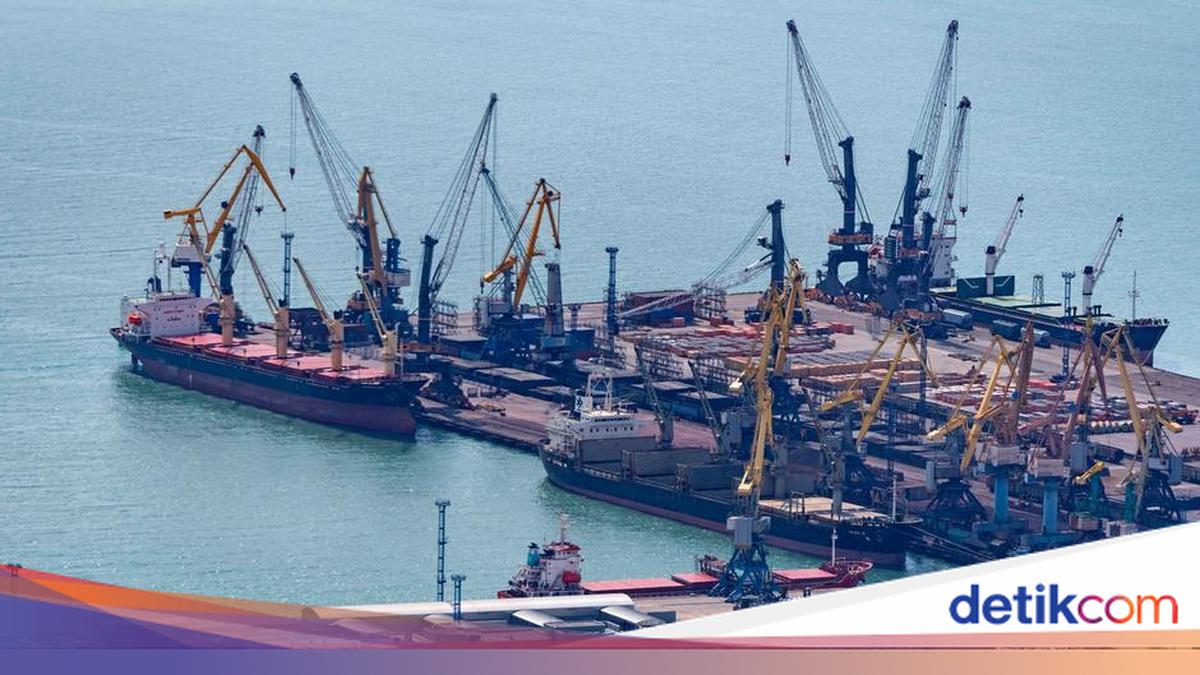
Russia’s invasion of Ukrainian territories has shifted the balance of power in the Black Sea region, and Ukraine is now intensifying attacks on Novorossiysk, Russia’s largest commercial port in the Black Sea. These attacks have significantly disrupted oil and wheat supplies in recent weeks. The Russian Navy no longer dominates the area, and it has become increasingly difficult for Russia to export goods through the Black Sea due to Ukrainian drone strikes. Only part of the logistics has been reorganised.
According to experts interviewed by DW, if these attacks continue, they will impact Russian exports and drain the state budget. Novorossiysk is Russia’s largest port by cargo volume and one of the largest in Europe. Since the 19th century, it has been a vital hub for Russian trade. Currently, up to a third of Russian wheat is exported through Novorossiysk, as the port is easily accessible from major agricultural regions. Crude oil, metals, and container cargo are also shipped from there to world markets.
The latest attacks by Ukrainian sea and air drones have severely disrupted supplies, particularly wheat. Andrej Sisow, head of the agricultural consultancy SovEcon, explained on his Telegram channel that on 12 August, Russia’s largest grain processing and storage plant in Novorossiysk and its terminal ceased operations. A day later, the KSK Terminal, the largest grain export terminal, followed suit. At the end of July, operations at the Taman terminal were halted. Ukraine had previously disabled port operations in the shallow waters of the Sea of Azov. Only Tuapse, the smallest terminal in those shallow waters, remains operational. ‘Thus, practically all Russian wheat exports via the Azov-Black Sea are blocked,’ Sisow said.
The situation for oil exports is less dramatic. Although not completely halted, the process is frequently disrupted. According to Reuters, the Shesharis Terminal, Russia’s largest crude oil and petroleum products terminal in the Black Sea with a capacity of about 700,000 barrels per day, was forced to halt operations on 14 August and only resumed two days later.
According to Argus Media London, an independent price reporting agency for global energy, commodity, and transport markets, Russia could potentially supply around 45 million metric tonnes of wheat to the world market in 2026-2027, with wheat as the main agricultural export commodity. However, the ongoing blockade in the Black Sea makes exports impossible. Around 90 per cent of shipments are usually made through that region. Andrej Sisow from SovEcon estimates that ‘many Russian producers will not be able to withstand these obstacles, especially after several years of deteriorating financial conditions.’ Since exports are no longer possible, surplus wheat harvests must be sold on the domestic market, where prices have already fallen.
Even if exports recover over time, problems remain unavoidable. August marks the peak of the harvest season, and it is difficult to ship later because terminals are already fully booked for autumn. The escalation of fighting in the Sea of Azov and Black Sea region will also be felt in world markets, given that Russia is the largest wheat exporter. At the same time, Ukrainian grain exports have declined sharply. Attacks come from both sides. Since the second half of July, Russia has also intensified its attacks on Ukrainian ports and ships anchored there.
‘As a result of logistical disruptions, the actually abundant wheat harvests in Ukraine and Russia are cut off from world markets. Both countries are trying to use alternative routes such as ports in the Baltic Sea or terminals on the Danube River. However, these routes cannot fully replace the traditional ones,’ Xiaoyi Deng from Argus Media told DW.
According to data from the Centre for Research on Energy and Clean Air (CREA), a Helsinki-based research institute and think tank, oil loading volumes at the Port of Novorossiysk in the first two weeks of August fell by 30 per cent compared to the same period last year. The decline in shipment volumes occurred after drone attacks on the Caspian Pipeline Consortium (CPC) terminal on 19 July. Isaak Levi, an energy analyst at CREA, highlighted in an interview with DW that the supply decline is not solely due to infrastructure damage. Some shipowners are even refusing to dock at ports considered potential prime targets for drone attacks. There is no security guarantee for anyone crossing the Black Sea. According to a Bloomberg TV report, on 17 August a Greek tanker suspected of carrying Russian oil was also attacked.
‘If the current restrictions continue until the end of August, Russia will struggle to postpone shipments in the hope that the losses can be replaced later,’ Levy said, adding, ‘Although the volumes shipped can be diverted to other routes, the amount is only partial. The most realistic option is the ports in the Baltic Sea, namely Primorsk and Ust-Luga. However, this will increase transport costs. Novorossiysk cannot be fully replaced.’
Source: jawawa.id (https://jawawa.id/newsitem/ukraine-targets-russian-oil-and-wheat-exports-in-the-black-sea-1787719953)
Originally published by detikcom (https://news.detik.com/dw/d-8634617/ukraina-bidik-ekspor-minyak-dan-gandum-rusia-di-laut-hitam), translated from Indonesian