
Ukraine Strikes Moscow Refinery, Disrupts Russia's Energy Lifeline
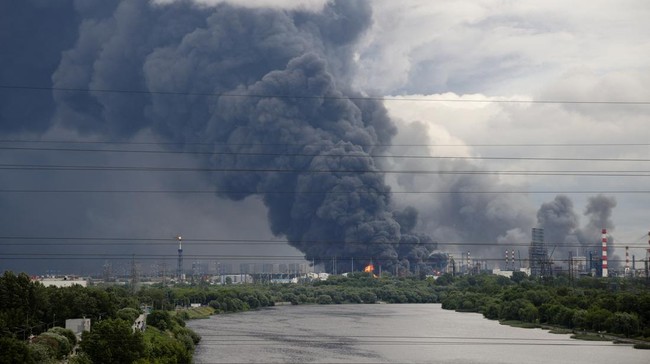
Russia is facing a new threat to its energy security after one of the country’s most important oil refineries suffered severe damage from a Ukrainian drone attack. The Moscow oil refinery, the largest fuel supplier for the Russian capital region, is expected to be out of operation for at least six months, complicating the government’s efforts to tackle a widening fuel supply crisis. Two industry sources stated on Wednesday that the damage inflicted by the Ukrainian drone strike on the facility was so significant that the repair process will take a long time. The refinery, located on the southern outskirts of Moscow, is the main fuel supplier for the Russian metropolitan area. The facility was reportedly targeted twice by Ukrainian drones this month, forcing a complete halt to the refinery’s operations. “It will take at least half a year to repair it,” one industry source said regarding the extent of the damage suffered by the Moscow refinery. Russian energy company Gazprom Neft, which operates the facility, did not respond to a request for comment on the refinery’s condition or the estimated operational recovery time. The damage to the Moscow refinery comes amid intensifying Ukrainian attacks on Russian energy infrastructure using long-range drones. In recent months, Kyiv has consistently expanded strike operations against the Russian energy sector as part of a strategy to pressure Moscow’s economic and logistical capabilities. According to industry sources, the Ukrainian strikes have crippled a significant portion of Russia’s oil processing capacity. The impact is being felt across various regions of the world’s largest country, ranging from shortages of oil products and soaring fuel prices to long queues at petrol stations. The supply disruptions are reported to be occurring in many areas spread across Russia’s 11 time zones, illustrating the scale of the impact on the national energy distribution network. The Moscow refinery itself is not being targeted for the first time. The strategic facility has been attacked several times since Ukraine escalated its drone strike campaign against Russian energy infrastructure. The latest available data shows that in 2024 the refinery processed approximately 11.6 million tonnes of crude oil. From that amount, the facility produced around 2.9 million tonnes of petrol and 3.2 million tonnes of diesel. The large production capacity makes the Moscow refinery one of the most important energy assets for fuel supply in the capital region and its surroundings. Pressure on domestic energy supplies is now pushing the Russian government to consider emergency measures to address the developing crisis. Russian Deputy Prime Minister Alexander Novak said on Tuesday the government is considering the possibility of imposing a ban on diesel exports to ensure domestic needs are met. Meanwhile, Russian newspaper Vedomosti reported that the government is also considering the option of importing fuel to help overcome the supply shortages beginning to be felt in several regions. According to the report, the need for imports is primarily being considered for the Crimea region, where petrol sales to the public have reportedly been halted due to limited supply.