
UK Ambassador Views Indonesia's OECD Accession as National Economic Reform Effort
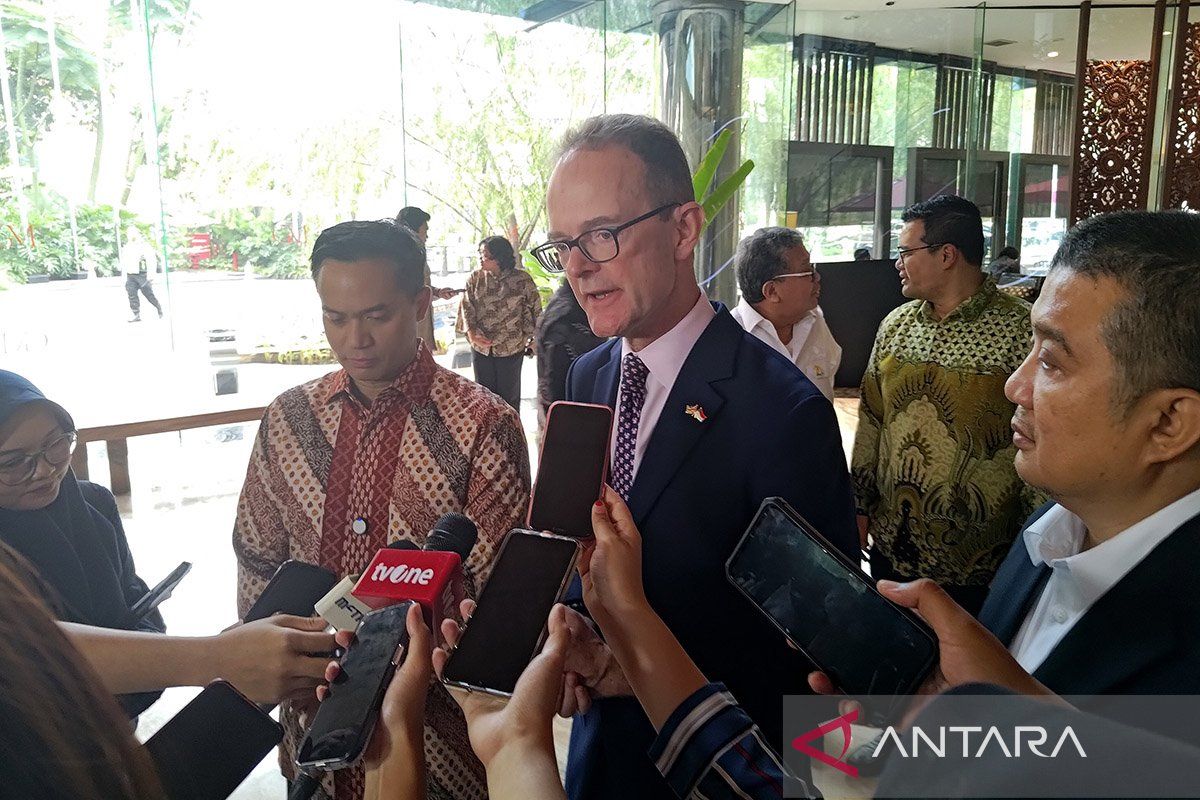
Indonesia’s accession to the OECD is not merely a government agenda but a national reform effort that will shape how the Indonesian economy operates in practice. Jakarta (ANTARA) - The British Ambassador to Indonesia, Dominic Jermey, views Indonesia’s accession process to the Organization for Economic Co-operation and Development (OECD) as a national reform initiative requiring cross-sectoral involvement, including from the government and the business world. Jermey stated that OECD accession is not just a government agenda but a reform process that will influence how Indonesia’s economy operates in the future. “OECD accession is not merely a government agenda but a national reform effort that will shape how the Indonesian economy operates in practice,” said Jermey at a national seminar in Jakarta on Tuesday. He emphasised that private sector involvement is a crucial factor to ensure that policy reforms are implemented effectively and produce real impacts on the economy. “The business world is not just a stakeholder but also a partner in ensuring these reforms run smoothly,” he said. According to him, there are three main factors that need to be strengthened in Indonesia’s OECD accession process: sustained engagement between the government and business actors, strengthening institutional coordination, and formulating realistic policies that meet business needs. Jermey explained that policy reforms carried out in the OECD accession process must be practically applicable to drive economic growth. “Reforms must remain practical and aligned with business realities to produce real economic growth,” he stated. Jermey said the UK’s experience shows that OECD membership has a positive impact on the economy and business environment. “For the UK, OECD membership has helped boost economic growth, attract investment, and strengthen regulatory certainty that is highly needed by the business world,” he revealed. He added that private sector involvement is also an important part in driving economic growth through regulatory improvements. According to Jermey, OECD accession will not only benefit Indonesia but also the global economy and bilateral business relations between the two countries. “OECD accession will provide benefits for the business world in Indonesia, the global economy, and business relations between Indonesia and the UK,” he said. For information, the OECD is an international organisation comprising 38 countries and focusing on developing policy standards to promote economic growth and global welfare improvement. The national seminar was organised by the Coordinating Ministry for Economic Affairs together with the Indonesian Chamber of Commerce and Industry (Kadin) as part of efforts to strengthen understanding and private sector involvement in the OECD accession process. In the event, the government and Kadin also launched the OECD Private Sector Playbook as an initial guide for business actors in understanding the accession process and its implications for business activities.