
UI's FMIPA Develops Adaptive Tempeh Starter to Combat Climate Change
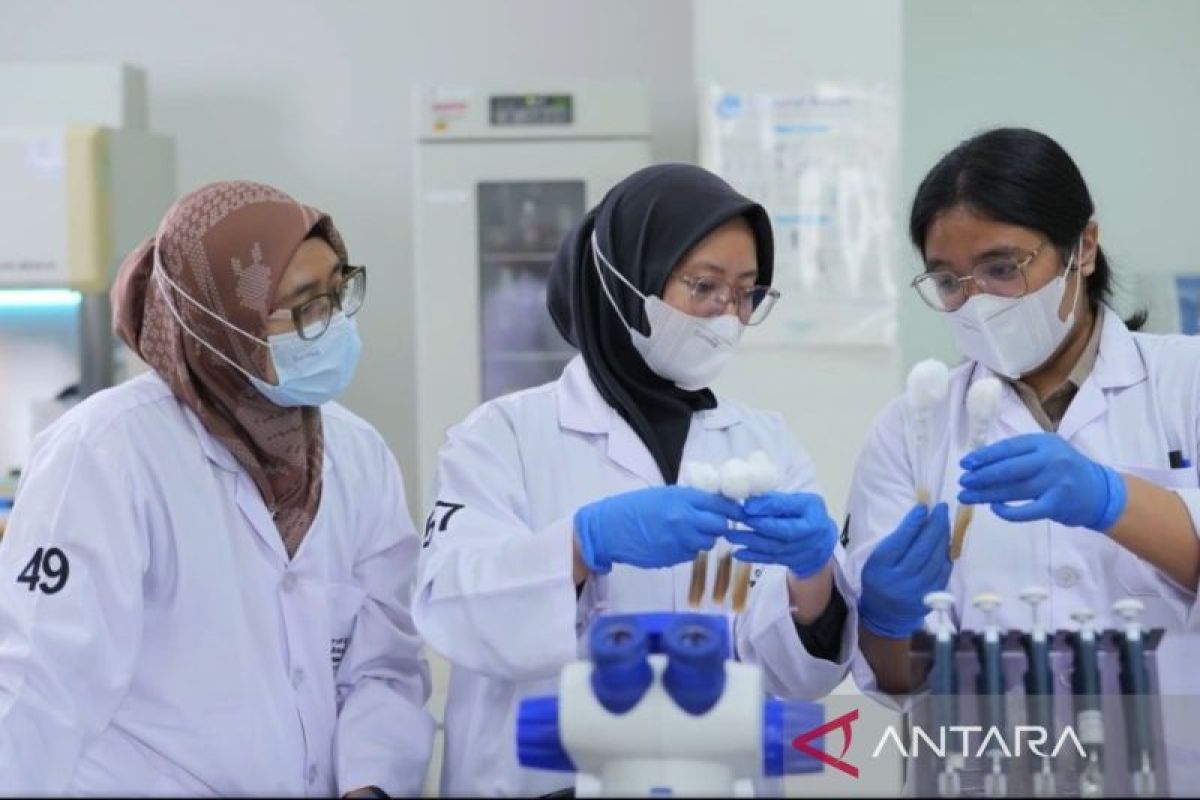
Jakarta (ANTARA) - The Faculty of Mathematics and Natural Sciences at Universitas Indonesia (FMIPA UI) has introduced an innovation in adaptive tempeh starter to maintain the stability of production and the flavour of tempeh amid climate change. UI’s Professor of Microbial Systematics and Prospecting, Wellyzar Sjamsuridzal, explained that the development of this adaptive tempeh starter not only focuses on technological aspects but also on efforts to preserve Indonesia’s culinary heritage and empower local tempeh artisans. “We want to ensure that tempeh, as Indonesia’s culinary heritage, can still be produced with the best quality without being disrupted by climate change. This starter is designed to minimise the risk of fermentation failure while producing a better flavour,” she said in a statement in Jakarta on Tuesday. Wellyzar stated that changes in temperature and humidity due to weather anomalies have so far posed challenges for tempeh artisans, especially micro, small, and medium enterprises (UMKM). Therefore, FMIPA UI developed this adaptive starter using the Rhizopus mould collection from the Universitas Indonesia Culture Collection (UICC) at the CoE IBR-GS FMIPA UI, which is one of the most comprehensive tempeh mould collections in Indonesia. “By combining various superior Rhizopus strains, this starter can adapt to changes in temperature and humidity, as well as produce tempeh with a distinctive aroma, thick white hyphae, and a dense texture,” she explained. Through this innovation, FMIPA UI hopes that the development of the adaptive tempeh starter can strengthen food security, improve the welfare of artisans, and maintain the sustainability of Indonesia’s culinary heritage. The development of this innovation was carried out together with tempeh artisans in the Jabodetabek area through a collaborative approach involving academics, industry, government, and society. This innovation was also developed through the Bestari Saintek Programme supported by Kemdiktisaintek and LPDP.