
UI–Transmigration Ministry Team Documents Five Dayak Sub-tribes in Kalimantan
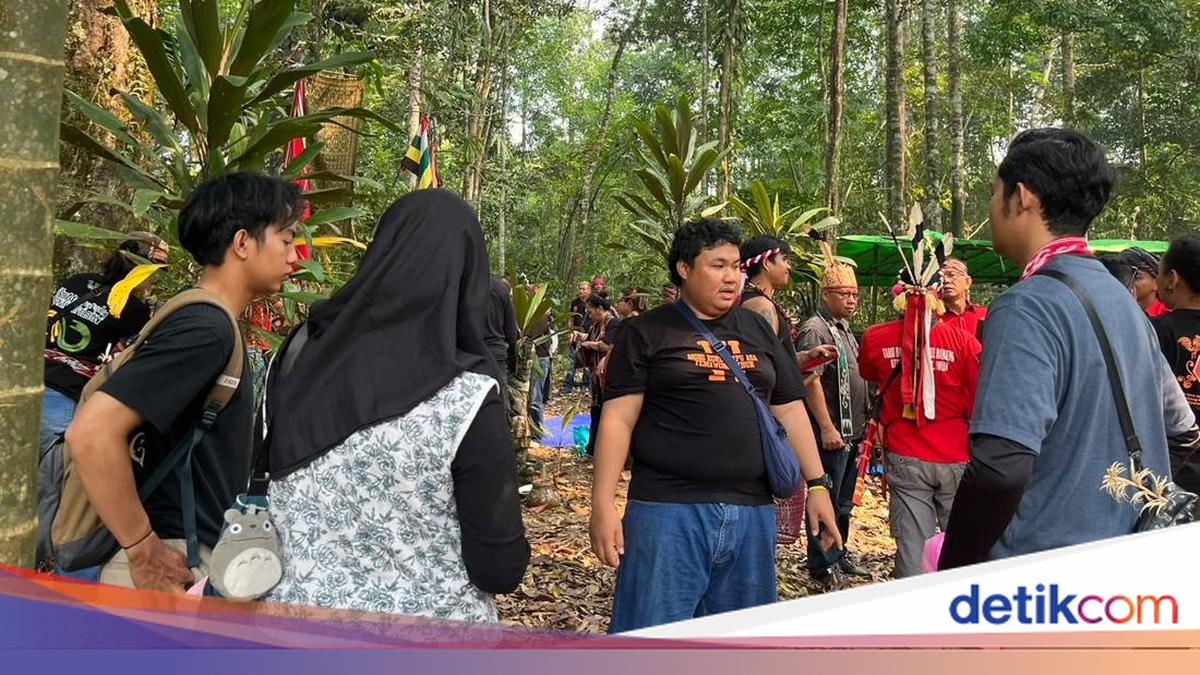
The rich culture of indigenous communities along the Indonesia–Malaysia border remains intact, but not all groups have received legal recognition. Through the University of Indonesia’s Patriot Expedition Team (TEP UI), the Ministry of Transmigration has documented five Dayak sub-tribes in Sekayam District, Sanggau Regency.
The initiative is an initial step towards supporting the recognition of Indigenous Law Communities (MHA) and planning inclusive, sustainable development in transmigration areas.
Herkulanus Suyono, Secretary-General of the Dayak Customary Council in Entikong District, welcomed TEP UI’s support. He said awareness among communities of their identity and customary traditions was important to the process of MHA recognition.
“We welcome TEP UI 2026’s intention to provide support and initiate the MHA recognition process. The first thing needed for recognition is awareness among the indigenous community itself,” Herkulanus said in a written statement on Saturday (10 October 2026).
From August to September 2026, the team, led by Professor Heru Susetyo, visited 15 villages in Sekayam and Entikong districts. In Sekayam, it identified five Dayak sub-tribes: Golik, Paus, Kerambay, Iban Sebaruk and Sisakng.
According to the team’s data, two sub-tribes have been recognised through Sanggau Regent’s decrees. The Dayak Sisakng were recognised under Decree No. 327 of 2018 in Lubuk Sabuk and Bungkang villages, while the Iban Sebaruk were recognised under Decree No. 404 of 2019 in Sungai Tekam and Malenggang villages.
Sanggau Regency also has Regional Regulation No. 1 of 2017 on the Recognition and Protection of Indigenous Law Communities. Kerambay and other communities still require further recognition processes.
Mustadin, customary leader of the Kerambay sub-tribe, said the community’s customary institutions remained intact despite its lack of formal recognition.
“This sub-tribe has all the elements. We have written customary norms and cultural sites, but to this day there has been no recognition at all,” Mustadin said.
To support the process, TEP UI documented history, language, customary norms, institutions, territory, assets, sites and cultural rites through field research and discussions with customary leaders and community elders. The findings could help local government assess indigenous communities and determine follow-up measures in accordance with the law.
In Entikong, documentation is also important because some village areas lie within state forest zones, even though communities have lived there and managed the land for generations. The work is expected to create room for dialogue about indigenous communities’ presence, local conditions and land-management needs.
TEP UI 2026 involves five academics from the University of Indonesia and Tanjungpura University, representing several disciplines. Alongside cultural identity, the team is studying ways to strengthen land rights and promote local commodities through geographical indications.
The initiative is in line with President Prabowo Subianto’s view of diversity as a national strength. Speaking at the main commemoration of Vesak 2570 BE on Sunday (31 May 2026), the President said: “Indonesia is a great nation because of its diversity. We have different ethnic, religious and cultural backgrounds, traditions and customs.”
Coordinating Minister for Infrastructure and Regional Development Agus Harimurti Yudhoyono (AHY) has said the Patriot Expedition must deliver practical solutions. He made the remarks during a dialogue with expedition participants in Jayapura in mid-September 2026.
“Those taking part in the Patriot Expedition must not go into the field, listen to communities and then stop at identifying problems. We must provide the best solutions—ones that are relevant, feasible and sensible,” AHY said.
Transmigration Minister M. Iftitah Sulaiman Suryanagara also emphasised the importance of lasting benefits from the programme.
“Do not leave behind only a report. Leave behind work. Leave behind solutions. Most importantly, leave benefits that communities continue to feel,” Iftitah said.
Through the Patriot Expedition, the Ministry of Transmigration is promoting development in transmigration areas that focuses not only on infrastructure and the economy, but also on the identity, rights and potential of local communities.
Recognition as an MHA requires data collection, verification, deliberation and other stages in accordance with the law. In Sekayam and Entikong, the initial step is to document history, identify communities and strengthen awareness of their customs.
“Legal recognition and protection begin with the identification and documentation of indigenous communities’ existence, both by the state and by the communities themselves,” the statement concluded.