
UI Research Finds MBG Programme Receives Positive Response from Lower and Middle-Class Society
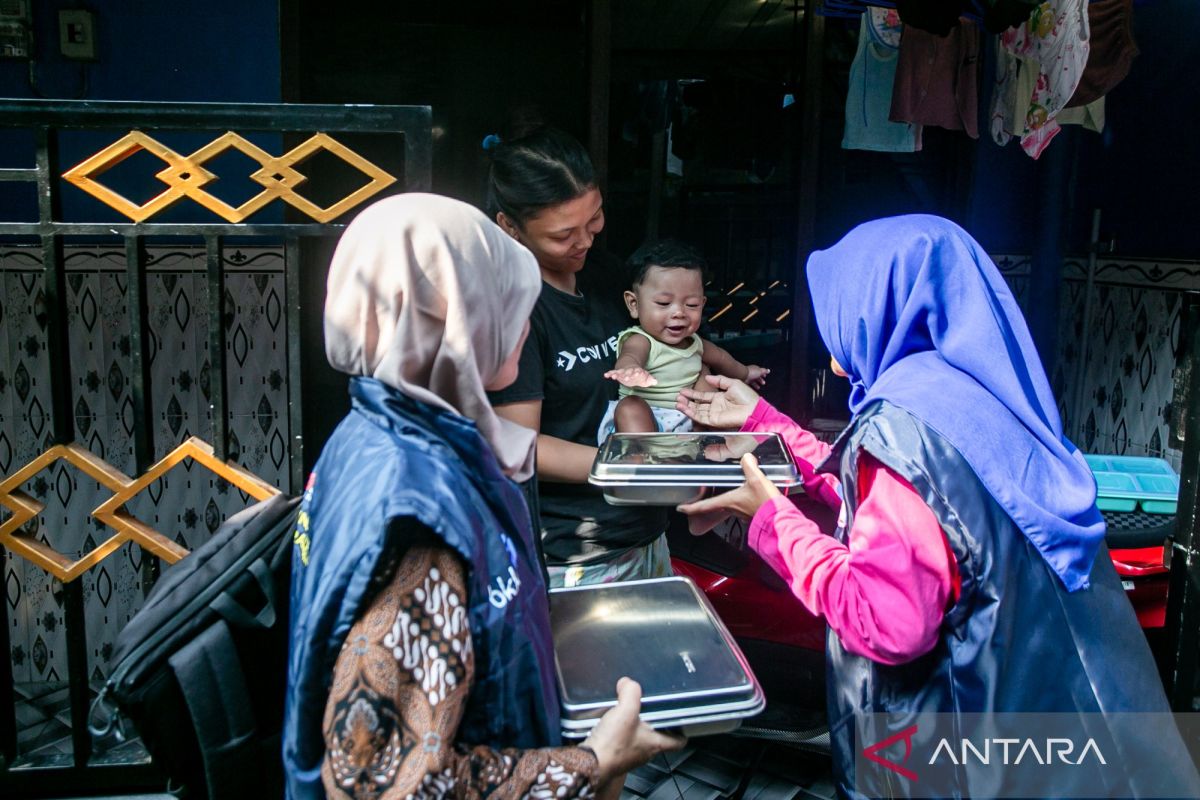
Jakarta (ANTARA) - A study by the Centre for Sociological Studies at the University of Indonesia (UI) conducted in March 2026 across five districts/cities found that the Free Nutritious Meals (MBG) programme receives a positive response from lower and middle-class communities.
Data collection, carried out from October to December 2025 in Kupang City, East Nusa Tenggara; Depok City, West Java; Sukabumi Regency, West Java; Garut Regency, West Java; and Pesisir Selatan Regency, West Sumatra, with a total of 1,267 respondents, revealed that 85.8% of students from low socio-economic classes always finish the MBG programme food.
“The MBG programme is seen as providing tangible benefits to families from lower and middle-income groups. The research data shows that the lower the student’s social class, the higher their acceptance of the programme,” said Sociology Lecturer and Researcher from the Faculty of Social and Political Sciences (FISIP) UI, Hari Nugroho, in an official statement in Jakarta on Wednesday.
Hari explained that the study critically examines how the MBG programme affects household economic dynamics, including changes in income structure and family spending patterns.
“Most parents of students give a positive assessment of the programme. They view MBG as able to lighten the family economic burden, save on children’s pocket money, help busy parents prepare meals, and prevent children from going hungry at school,” he said.
The research results highlight several main issues in the MBG programme’s implementation, related to programme design, governance, and beneficiary determination. From the programme design perspective, several issues arise, including top-down planning without involvement of local agencies, a hierarchical and rigid command structure, highly centralised standardisation of standard operating procedures (SOP) and technical guidelines, as well as direct funding mechanisms from the centre.
“One of the most prominent issues is the standardisation of SOP, technical guidelines, and the national menu cycle set centrally. All operational rules for kitchens are regulated through technical guidelines from the National Nutrition Agency (BGN), from cooking operational hours, daily online reporting, to nutritional adequacy standards (AKG),” said Hari.
The menu determination also follows a national cycle, so local managers often cannot adapt the menu to local students’ preferences.
Additionally, the study found various obstacles in food distribution governance. As many as 73.3% of surveyed schools reported experiencing problems with MBG kitchens, mainly related to delays in food delivery that impact the quality of food received by students.
These distribution issues also affect the condition of the food upon receipt. Around 59% of students stated that the food received was “sometimes warm, sometimes cold”. As many as 19% of students reported complaints such as stomach aches or nausea after consuming MBG programme food.
Moreover, the research noted a level of boredom with the served menus.
“From the survey results in five regions, 53% of students admitted to being ‘sometimes bored’, 15% ‘often bored’, 16% ‘never bored’, 10% ‘rarely bored’, and 6% ‘very often bored’,” he said.
Additionally, he continued, many food portions are still not finished by students. The type of food most often left over is vegetables, with a percentage reaching 77.9%.
The main reason students do not finish their food is because the taste is not good or does not suit their preferences, reaching 55.9%. This condition indicates that efforts to meet balanced nutrition composition are not yet optimal because nutritious food is not always fully consumed by students.
“In line with findings from various other studies on MBG programme evaluations, this research recommends the need for comprehensive programme improvements, starting from sharpening beneficiary priorities, improving distribution quality, to adjusting menu determination to better suit local students’ needs and preferences,” said Hari.