
UI Professor: Myanmar Genocide Ruling Is Historic; OIC Must Take a Firm Stand
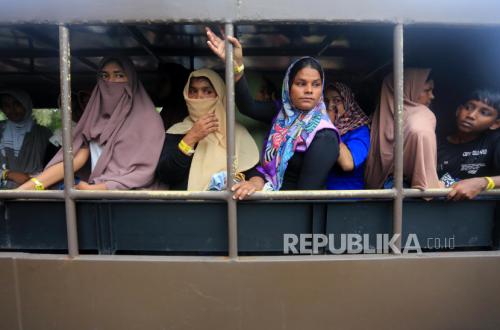
JAKARTA — The International Court of Justice (ICJ) ruling that Myanmar is responsible for genocide against the Rohingya is a historic victory for efforts to uphold international law. However, translating that victory into action may prove difficult, as the ICJ has no direct authority to punish individuals or force states involved in cases to comply with its rulings.
Professor Heru Susetyo, a law professor at the University of Indonesia (UI), said the ICJ adjudicates state responsibility, not individual liability. Its powers therefore differ from those of the International Criminal Court (ICC), which can try and sentence individuals for international crimes.
“So on paper it is a win, a moral victory, and a legal decision in their favour. But enforcement is difficult,” Heru told Republika on Wednesday (25 November 2026).
He said implementation of ICJ rulings depends heavily on compliance by the state involved in the case. The court has no authority to directly arrest or imprison those responsible for international crimes.
Heru said the challenge is compounded by Myanmar’s rejection of the genocide allegations and its description of military operations in Rakhine as efforts to crack down on groups it calls terrorists. The ruling was also not unanimous, having been delivered by a majority of nine judges to six.
Nevertheless, he said, the ruling is a major breakthrough in the history of international law: for the first time, the ICJ has found a state responsible for genocide.
“This is a landmark decision, a historic ruling,” he said.
Heru said Indonesia should support the ruling and press Myanmar to take responsibility. The effects of violence against the Rohingya have been felt not only by people in Myanmar but also by countries across South-east Asia, which have had to receive waves of refugees.
He cited Indonesia, which has taken in thousands of Rohingya refugees after they were driven from Myanmar. The refugee crisis, he said, is a consequence of the violence in their country of origin.
However, Heru said ASEAN countries have tended not to take a sufficiently strong stance towards Myanmar. One reason is the principle of non-interference, which is part of ASEAN’s framework for co-operation and makes member states cautious about intervening in one another’s domestic affairs.
He added that ASEAN members are also constrained by their own histories of human rights abuses. This could expose them to criticism of their own records if they put pressure on Myanmar.
In contrast to ASEAN, Heru said the Organisation of Islamic Cooperation (OIC) should take a firmer position. It should consolidate support among its member states to ensure that Myanmar fulfils all its obligations under the ICJ ruling.
He also urged the United Nations and the international community to consider political and economic sanctions if Myanmar fails to comply. Possible measures include an embargo and a boycott of Myanmar.
“The OIC should take a tough stance and support the ICJ decision. It should be possible to enforce it by imposing tougher sanctions,” he said.
Heru cited the United Kingdom’s expulsion of Myanmar’s defence attaché as an example of diplomatic pressure. Such steps, he said, show that countries can take political action in response to the Rohingya genocide.
The ICJ delivered its historic ruling on Thursday (19 November 2026), finding Myanmar responsible for genocide against the Rohingya in northern Rakhine State during a 2017 military operation. The decision was reached by a majority of nine judges to six, seven years after The Gambia filed a case under the 1948 Genocide Convention.
The judges found evidence of three acts of genocide: killing members of the group, causing serious bodily or mental harm, and measures intended to prevent births within the Rohingya community. The ICJ also ordered Myanmar to meet its obligations to provide redress to victims, including facilitating the safe and dignified return of refugees and providing compensation.
Source: jawawa.id (https://jawawa.id/newsitem/ui-professor-myanmar-genocide-ruling-is-historic-oic-must-take-a-firm-stand-1795650687)
Originally published by Republika (https://news.republika.co.id/berita/tp2znt393/guru-besar-ui-putusan-genosida-myanmar-bersejarah-oki-harus-tegas), translated from Indonesian