
UI Professor: Many Aspiring Doctors Repeatedly Fail Competency Exam, Calling It a Chronic Medical Education Problem
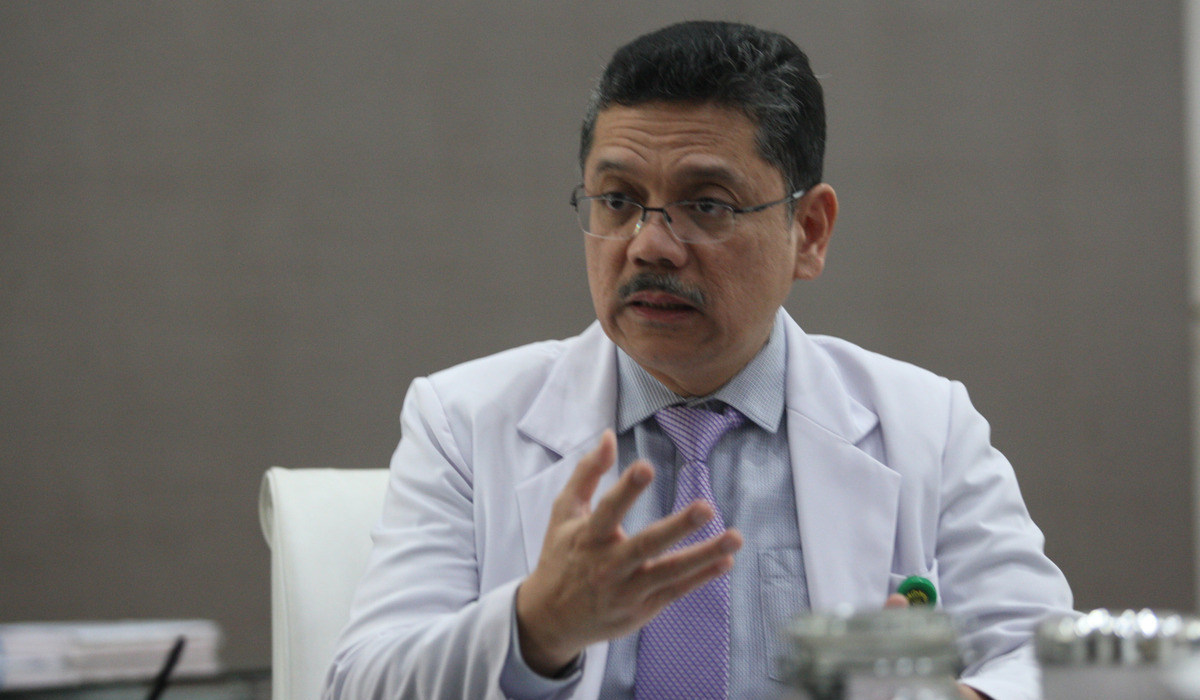
Guru Besar Fakultas Kedokteran Universitas Indonesia (FK UI), Professor Ari Fahrial Syam, has stated that the significant number of aspiring doctors repeatedly failing the Ujian Kompetensi Mahasiswa Program Profesi Dokter (UKMPPD) is a problem that has persisted for a long time. “This competency examination and its results represent a chronic, long-standing issue. We know that when someone becomes a doctor, there is an intake process. We must assess whether the selection process is appropriate or not,” said Professor Ari when contacted on Wednesday (10/6). In the medical education process, there are two stages that must be completed: academic education and professional training. After completing the academic phase, aspiring doctors must also undergo professional training at community health centres or hospitals, followed by an internship. After finishing all these processes, participants sit for the UKMPPD. Professor Ari noted that the high number of failing candidates stems from the varying quality of different medical faculties, making an evaluation essential. “We know that the quality of medical faculties actually differs. On one hand, an evaluation is needed, meaning we must examine how the university admission process occurs and how the education process thereafter takes place,” he stressed. In this way, medical faculties can produce aspiring doctors who are prepared to sit the competency exam. However, the problem arises when, right at this final stage, many candidates fail. He highlighted that some medical faculties see failure rates exceeding 50 per cent in this national examination. “This indicates there are matters needing improvement, whether the student intake is sufficiently robust or the educational process is adequate. On the other hand, there is also a lengthy discussion concerning this type of exam. Ideally, there should be a phased examination, meaning a national exam to determine whether a student passes the undergraduate medical programme,” he stated. He further argued that sanctions should be imposed on educational institutions with a significantly large number of failing candidates. For instance, if more than 50 per cent of a faculty’s students fail the UKMPPD, penalties should follow. “For example, the number of students accepted could be reduced, or in extreme cases, a decision from the Directorate General of Higher Education could ban the institution from accepting new students altogether, requiring them to first improve their education system until they are ready,” he explained. “Ultimately, this UKMPPD initiative is an effort to standardise the educational process,” he concluded.