
UI Professor Highlights Importance of Cultural Education in Infant Care
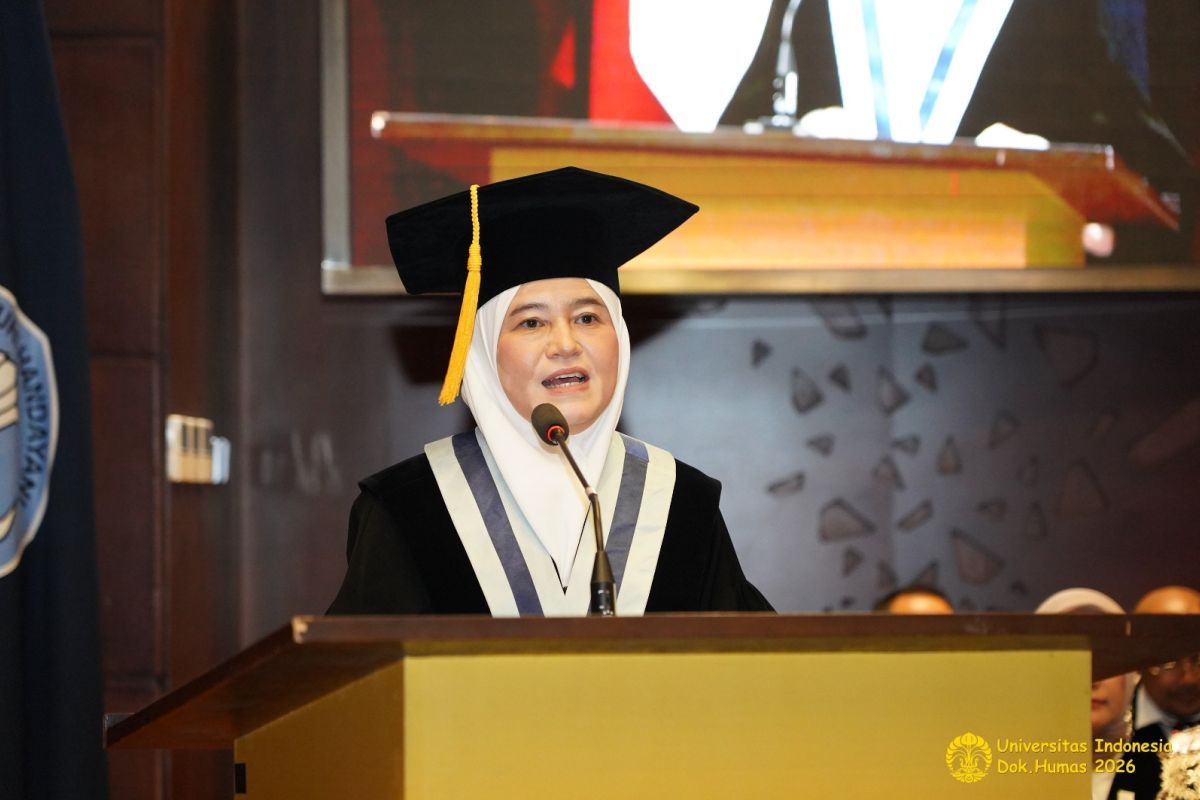
Depok (ANTARA) — Professor Dessie Wanda, a paediatric nursing professor at the Faculty of Nursing at the University of Indonesia (UI), has stressed the importance of health education in infant care, particularly when families continue to follow customs passed down through generations.
“I am highlighting the case of a 24-day-old baby who was reported to have died after allegedly being given raw egg by the baby’s grandmother,” Prof Dessie said in Depok, West Java, on Friday.
She said customs passed down by parents or grandparents are often part of how families care for children. However, not all such practices are suited to infants’ health needs.
Families should therefore ensure that caregiving practices are safe and appropriate for the baby’s age.
One issue to consider, she said, is feeding infants. Raw egg, for example, may contain Salmonella bacteria, which can cause infection. Food given to babies should follow health recommendations that take account of their age and condition.
“Tragedies like this show the need for good communication between health workers and families. In the Ethno-Nursing approach, culture is not treated as an obstacle, but as a set of values that must be fully understood. Our task is to educate the public so that the good intention of caring for grandchildren always goes hand in hand with their safety, because the baby’s safety comes first,” Prof Dessie said.
The approach is associated with the Ethno-Nursing and Cultural Care Research Cluster at UI’s Faculty of Nursing. It helps health workers understand how family values, beliefs and customs influence healthcare practices.
Prof Dessie outlined three core principles of Ethno-Nursing: maintenance, negotiation and repatterning. Maintenance means preserving customs that are safe and beneficial to health.
“Children and babies are not yet able to protect themselves. Their safety must be an absolute priority above any custom,” she stressed.
Applying the three principles helps health workers determine which caregiving practices can be retained, which need adjustment and which must be changed to protect infants.
The approach also helps health workers deliver health education while taking families’ backgrounds into account.
Through its Ethno-Nursing and Cultural Care Research Cluster, UI continues to develop nursing research that recognises the social and cultural diversity of the community. The approach is expected to help health workers provide culturally sensitive care while prioritising patient safety.
Source: jawawa.id (https://jawawa.id/newsitem/ui-professor-highlights-importance-of-cultural-education-in-infant-care-1792129968)
Originally published by Antara (Indonesian) (https://www.antaranews.com/berita/5790701/guru-besar-ui-soroti-pentingnya-edukasi-budaya-dalam-pengasuhan-bayi), translated from Indonesian