
UI Professor: Children Under 16 Not Psychologically Ready for Social Media
The Ministry of Religious Affairs seems beset by one problem after another.
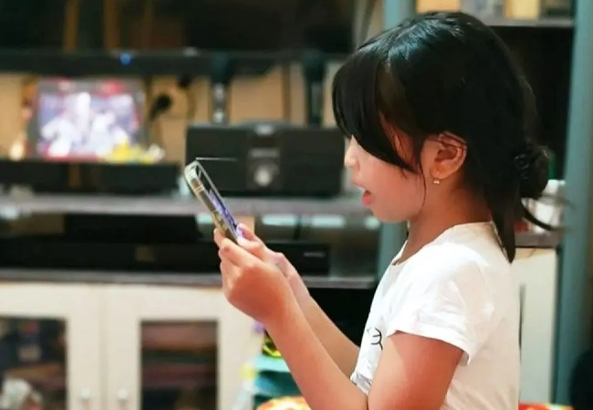
The use of social media by children has now become a serious concern for psychologists and the government. Professor Rose Mini Agoes Salim, a tenured professor at the Faculty of Psychology of the University of Indonesia, affirmed that children under the age of 16 are psychologically not yet adequately prepared to manage social media accounts independently.
Children’s limited ability to filter information and control their emotions means they require layered protection, ranging from the family environment to government regulation through the Government Regulation on the Governance of Electronic System Implementation in Child Protection (PP TUNAS).
According to Professor Romy, as she is affectionately known, children’s abilities develop gradually, and each age phase has different psychological characteristics in responding to digital stimuli.
This gap between emotional development and the maturity of self-control is what makes children under 16 highly vulnerable to the risks of the digital space, from exposure to negative content to threats of cybercrime.
In response to this vulnerability, Professor Romy views the introduction of PP TUNAS as a crucial step by the government. The regulation functions as an initial blocking mechanism to prevent children from accessing platforms that are not yet appropriate for their age.
“So the government steps in, and PP TUNAS helps to block things first. However, parents and those around the child must provide stimulation so that the child can eventually protect themselves,” said Romy.
Although government regulation is already in place, Professor Romy emphasised that parental guidance remains the primary factor. Parents bear the responsibility of shaping their children’s character so that they behave wisely in the digital world.
Digital readiness is not merely the ability to operate a gadget, but the psychological maturity to face the risks within it. Through synergy between government regulation (PP TUNAS) and close parental supervision, it is hoped that Indonesian children can be protected from the negative impacts of the digital world until they reach an age mature enough to take responsibility for their own online activities. (Ant/I-1)