
UI Patriot Expedition Deploys 120 Participants to Werianggi–Werabur, West Papua
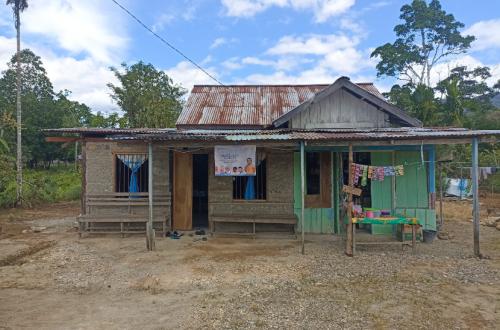
A total of 120 participants from the University of Indonesia (UI) Patriot Expedition 2026 have been deployed to the Werianggi–Werabur Transmigration Area in Nikiwar District, Teluk Wondama Regency, West Papua. They will live with the local community for four months to map potential and problems while carrying out a number of empowerment programmes.
Twenty teams from various disciplines are involved in the expedition. The programmes include improving health services, strengthening basic infrastructure, developing leading commodities, community empowerment, strengthening economic institutions, energy, and education.
Werianggi–Werabur is an area inhabited by Indigenous Papuans (OAP), transmigrant communities, and independent migrants. This diversity makes the area a meeting point for people from various backgrounds while also holding potential for economic and social development.
To reach the area, Patriot Expedition participants must undertake a long journey. After arriving in Manokwari by plane, the group continues by sea for about six hours to Windesi Port. The passenger ship serving this route operates only once a week.
From Windesi, the journey continues overland for about 50 minutes to the activity site. The group arrived in Werianggi Village on Tuesday evening and was welcomed by the village head and traditional leaders through a customary ceremony.
One of the groups deployed is Team 4, which is running a Digital Literacy Education and Customary Law–State Law Harmonisation programme. The programme is directed at improving the community’s ability to use digital technology productively while strengthening understanding of the relationship between customary law and state law.
Field Coordinator of Team 4 of the UI Patriot Expedition 2026, Azra Batrisya, said the digital literacy being developed does not stop at the ability to use technology. The community is encouraged to use the digital space to expand markets and increase income.
“We want digital literacy to become a gateway for the community to expand market access and increase income, for example by marketing agricultural products, MSME products, and local potential through various digital platforms and e-commerce,” said Azra.
According to her, strengthening digital literacy is carried out in tandem with improving the community’s understanding of customary law and state law.
“The hope is that the community will be able to manage their village’s potential more independently and productively while remaining rooted in their cultural identity,” said Azra.